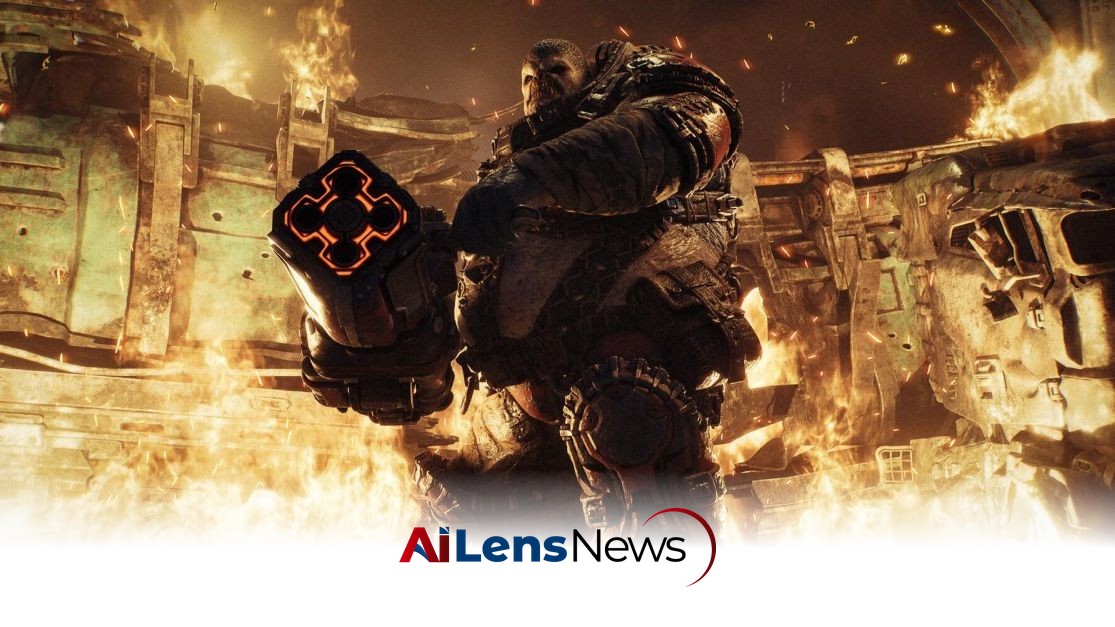


Microsoft's gaming division is undergoing significant changes following years of missteps, leading to layoffs and studio closures.
New Delhi, India Jul 5, 2026 ALN: Xbox Faces Major Challenges Amidst Industry Turmoil
Major changes are looming for Microsoft’s gaming division after years of bad decisions. The company closed out Summer Game Fest with a bang, showcasing crowd-pleasers like Halo, Gears of War, and Fable. However, just three days later, new Xbox CEO Asha Sharma warned of a "reset" at Microsoft’s gaming division, indicating that hard choices would need to be made.
Microsoft’s annual June showcase was filled with excitement, reminiscent of the boisterous days of E3. Yet, the enthusiasm was short-lived. Reports of impending layoffs, studio closures, and game cancellations followed swiftly. Ninja Theory, despite recently revealing a new game, is reportedly among the studios facing cuts.
After nearly 25 years in the console space, Microsoft’s gaming division is at its lowest point. The fallout from disastrous decisions is expected to be severe in the coming weeks and months. The company initially saw great success with the launch of the original Xbox in 2001, which positioned Microsoft as a viable contender in the gaming industry. Major exclusives like Halo and the introduction of Xbox Live helped solidify its position. However, the company struggled with the launch of the Xbox One in 2013, focusing too heavily on non-gaming features, which alienated core gamers and led to a significant loss of market share.
The Xbox One's launch was marred by a series of missteps, including a controversial focus on digital rights management (DRM) and an emphasis on multimedia capabilities over gaming. This approach was met with significant backlash from consumers, leading to a perception that Microsoft was out of touch with its core audience. The company eventually reversed many of these policies, but the damage was done, and Sony's PlayStation 4 capitalized on this miscalculation, dominating the market.
Currently, the situation is dire. In a memo, Sharma and Xbox’s chief content officer Matt Booty noted that over the past five years, Microsoft has spent over $20 billion on investments in content and hardware, yet annual revenue has declined by nearly half a billion. The costly acquisition of Activision Blizzard King for $68.7 billion has only added to the confusion surrounding the Xbox brand. This acquisition was intended to bolster Xbox's game library and enhance its competitive edge against rivals like Sony and Nintendo but has instead raised concerns about the company's financial health and strategic direction.
The acquisition, while potentially transformative, has also led to scrutiny from regulators and skepticism from investors, who are questioning whether such a massive investment can be justified in the current market landscape. The gaming industry is experiencing a significant shift, with increasing competition from mobile gaming and cloud gaming services, which have changed the way consumers access and play games.
February saw a significant shake-up in the Xbox division, with former boss Phil Spencer retiring and Sharma taking the helm. While her early days brought some optimism, such as a focus on backward compatibility and scrapping the unpopular Microsoft Gaming branding, the underlying issues remain unresolved. The transition in leadership often brings a wave of uncertainty, and Sharma's approach to navigating these challenges will be critical in determining the future of Xbox.
Microsoft operates within a video game industry that is currently struggling. Hardware costs are rising, successful studios are being dismantled, and anti-consumer practices are becoming commonplace. Xbox’s hardware and subscription services are faltering, and the company is now facing significant layoffs among its game development teams. As the gaming landscape shifts, companies are grappling with the need to innovate while also managing costs, leading to tough decisions about which projects to prioritize.
The gaming community is increasingly vocal about its expectations, demanding not only quality games but also transparency and ethical practices from developers and publishers. As uncertainty looms, it remains unclear how widespread the layoffs will be or what will happen to the affected studios. The impending changes could drastically alter the landscape of Xbox, and given the current state of console gaming, these may not be the last adjustments for Microsoft’s gaming division. The potential closure of studios that have produced beloved franchises could alienate dedicated fanbases and further damage the Xbox brand.
The future of Xbox hinges on its ability to adapt to the changing dynamics of the gaming industry. With gamers increasingly seeking value in subscription services and diverse gaming experiences, Microsoft must navigate these challenges carefully. The company's leadership will need to make strategic decisions that prioritize both innovation and financial sustainability to regain its footing in a competitive market.
In conclusion, Microsoft’s gaming division stands at a crossroads. The excitement generated by recent showcases has been overshadowed by concerns about layoffs and studio closures, leaving many to wonder what the next chapter for Xbox will entail. As the industry evolves, the company's response to these challenges will be critical in shaping its future and restoring its reputation as a leader in gaming. The path forward may require not only a reevaluation of its current strategies but also a reinvigoration of its commitment to creating engaging and high-quality gaming experiences that resonate with players worldwide.
To learn more about the latest developments in Software & Platforms, stay updated with our exclusive reports and analyses on AiLensNews.

