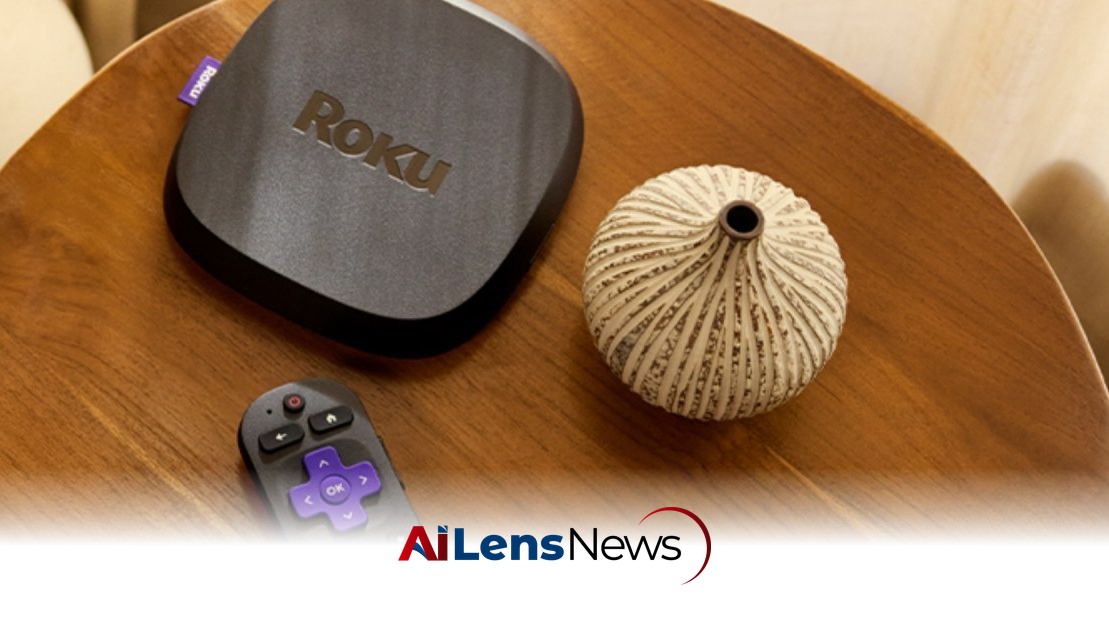


Roku has raised prices on its streaming devices, with the cheapest HD Streaming Stick now costing $39.99, up from $29.99. Other devices see similar hikes.
Washington DC, United States Jul 24, 2026 ALN: Roku has recently announced a significant increase in the prices of its streaming hardware, with the most affordable HD Streaming Stick now priced at $39.99, up from its previous price of $29.99. This price adjustment reflects a broader trend affecting all of Roku's streaming devices, with certain models seeing increases of up to $50. The following is a detailed breakdown of the new pricing structure:
This move marks a significant shift in Roku’s pricing strategy, especially for consumers who have come to rely on the affordability of its streaming products. The company has built a reputation for providing budget-friendly streaming options that cater to a wide audience, making it a popular choice among consumers looking for alternatives to more expensive devices offered by competitors.
The price hike comes at a time when the streaming market is becoming increasingly competitive, with various companies vying for consumer attention and subscription dollars. Roku's decision to raise prices could be seen as a gamble; while it may help the company offset rising production costs, it risks alienating cost-conscious consumers who may turn to cheaper alternatives or even explore subscription services that offer bundled streaming options.
In a statement regarding the price increase, a Roku executive pointed to a persistent memory shortage as a primary factor influencing the decision to raise prices. This shortage is attributed to a surge in demand for memory components driven largely by advancements in artificial intelligence (AI) technologies. As AI companies continue to expand and innovate, memory manufacturers are prioritizing their needs, which in turn affects the availability and cost of memory chips used in consumer electronics.
The implications of this memory shortage extend beyond Roku. The tech industry as a whole has been grappling with supply chain issues that have been exacerbated by the COVID-19 pandemic. Many companies across various sectors have experienced disruptions, leading to increased production costs and delays. For instance, Apple also raised prices for its devices, including the Apple TV set-top box, in June, reflecting similar pressures in the market.
The ongoing memory shortage is projected to continue impacting the market until at least 2027 and potentially beyond. This protracted situation raises questions about the sustainability of current pricing models in the tech industry. If the costs of essential components remain high, companies may have no choice but to pass those costs onto consumers, leading to a reevaluation of what consumers are willing to pay for streaming devices.
Roku is currently running a sale that temporarily reverts some of its devices to their original prices, which may provide a short-term relief for consumers who are hesitant about the new pricing. However, this sale could also be interpreted as a strategic move to clear out inventory before the new prices take full effect. It remains to be seen how long this promotion will last and whether it will significantly impact consumer purchasing behavior.
As consumers adjust to the new pricing landscape, they may also reconsider their streaming habits. With the rise of subscription services that bundle content and devices, some users may find value in switching to platforms that offer integrated solutions, which could include devices that come at no additional cost with a subscription. This shift could further challenge Roku's market position, particularly as competitors innovate and enhance their offerings.
In addition to pricing changes, Roku's strategy moving forward will likely need to focus on differentiating itself in a crowded marketplace. This could involve expanding its content offerings, enhancing user experience, or exploring partnerships with other tech companies or content providers to create value-added services. The effectiveness of these strategies will be crucial in maintaining Roku's competitive edge in the streaming hardware sector.
In conclusion, Roku's price increase on its streaming hardware is a significant development that reflects broader trends in the tech industry, particularly concerning supply chain challenges and component shortages. As the company navigates this new pricing structure, it will be essential for Roku to balance production costs with consumer demand to ensure continued growth and relevance in an ever-evolving streaming landscape.
Historically, Roku has been a key player in the streaming device market since its inception. The company's devices have allowed users to access various streaming services, including Netflix, Hulu, and Disney+, among others. With the rise of smart TVs, Roku has also integrated its platform into television sets, further solidifying its presence in the home entertainment ecosystem.
As the streaming landscape evolves, Roku faces increasing competition from other tech giants such as Amazon, Google, and Apple, all of which have their own streaming devices and services. These competitors not only offer similar products but also provide unique features and content that can attract consumers. For instance, Amazon's Fire TV devices come with Alexa integration, while Apple’s ecosystem offers seamless integration with other Apple products.
Moreover, the rise of direct-to-consumer streaming services has changed the dynamics of how content is consumed. Companies like Netflix and Disney+ have shifted the focus away from traditional cable subscriptions, prompting consumers to seek devices that facilitate easy access to these platforms. As a result, Roku must continually innovate to remain relevant, not just in terms of hardware but also in software and user experience.
Roku's decision to increase prices may also signal a shift in its long-term business model. Traditionally, Roku has relied on a combination of hardware sales and advertising revenue generated from its platform. As the company faces rising costs, it may need to explore new revenue streams or find ways to enhance its advertising capabilities to maintain profitability.
Furthermore, consumer sentiment plays a critical role in how Roku's pricing strategy will be received. If consumers perceive the price increases as unjustified, they may seek alternatives, leading to a potential decline in sales. Conversely, if Roku successfully communicates the reasons behind the price hike and demonstrates the value of its products, it may mitigate backlash and retain customer loyalty.
In the coming months, the impact of these price changes will likely become clearer as sales figures are reported and consumer feedback is gathered. Analysts will be closely monitoring Roku's performance to gauge how the price increases affect its market share and overall business health. The company's ability to adapt to the changing landscape of the streaming industry will ultimately determine its future success.
To learn more about the latest developments in Software & Platforms, stay updated with our exclusive reports and analyses on AiLensNews.

