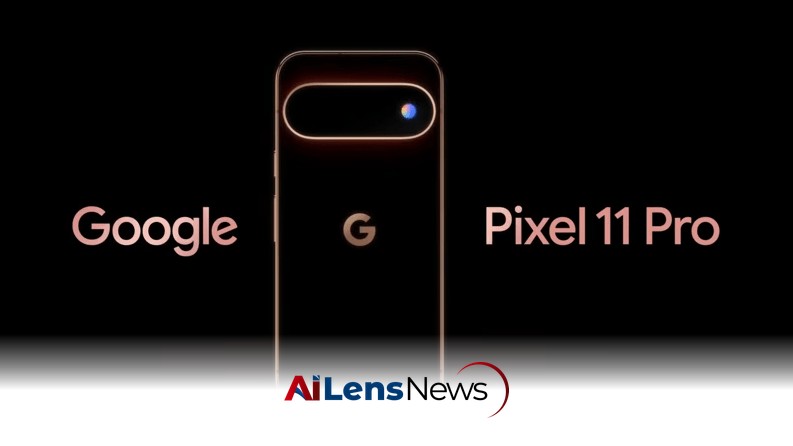


The Pixel 11 lineup's specifications and pricing details have been leaked, confirming expected price hikes and RAM reductions ahead of the August 12 event.
Washington DC, United States Aug 2, 2026 ALN: The anticipated launch of the Pixel 11 lineup has generated considerable buzz within the tech community, particularly among Android enthusiasts and potential consumers. As the launch date approaches, details surrounding the specifications and pricing of the devices have begun to surface, leading to a clearer picture of what Google plans to unveil.
According to reports from Android Headlines, the Pixel 11 series is set to debut with a starting price of $899, marking a $100 increase compared to its predecessor, the Pixel 10. This price adjustment is notable, especially in a market where consumers are becoming increasingly price-sensitive. However, the base model of the Pixel 11 will offer 256GB of storage, doubling the 128GB that was standard in the previous generation. This increase in storage capacity could be a strategic move by Google to justify the price hike and to meet the growing demand for more storage among smartphone users, who often find themselves needing more space for apps, photos, and videos.
The Pixel 11 lineup will be powered by Google's latest Tensor G6 chip, which is expected to enhance performance and efficiency. This chip is designed to optimize the user experience by improving AI capabilities, computational photography, and overall device responsiveness. Additionally, the Titan M3 chip will be included to bolster security, continuing Google's focus on providing a secure smartphone experience. This emphasis on security is particularly relevant in today's digital landscape, where data breaches and privacy concerns are prevalent.
One of the more significant changes in the Pixel 11 lineup is the reduction in RAM for the base model Pixel 11 Pro and Pixel 11 Pro XL. Both models are reportedly receiving a cut to 12GB of RAM, which may raise eyebrows among tech enthusiasts who expect flagship devices to maintain higher RAM specifications. The Pixel 11 Pro is expected to retail for $1,099, while the Pixel 11 Pro XL will be priced at $1,299. This pricing strategy places the Pixel 11 series in direct competition with other flagship devices from brands like Apple and Samsung, which have also seen price increases in their latest models.
In terms of camera capabilities, the Pixel 11 appears to be taking a different approach compared to its predecessor. The base model will reportedly eliminate the telephoto lens, opting instead for a dual rear camera setup. This decision may reflect a shift in consumer preferences, as many users prioritize simplicity and ease of use over complex camera configurations. On the other hand, the pro models are expected to retain the same camera setup as the Pixel 10 lineup, which has been well-received for its photography capabilities. Google has historically focused on computational photography, and it will be interesting to see how the company continues to innovate in this area with the new hardware.
The displays of the Pixel 11 series are expected to remain largely unchanged from the previous generation, which could be seen as a missed opportunity for some consumers who look for advancements in display technology with each new release. However, maintaining a familiar display could also appeal to users who appreciate consistency in their devices. The Pixel 11 Pro Fold, which is also part of this lineup, will reportedly follow the trend of reduced RAM, starting with 12GB, and will be priced at $1,899. The foldable smartphone market has been gaining traction, and Google’s entry into this space with the Pixel 11 Pro Fold could signal its commitment to competing in this emerging segment.
As the August 12th event approaches, the anticipation surrounding the Pixel 11 lineup continues to grow. The adjustments in pricing and specifications reflect not only Google's strategy to remain competitive in an increasingly crowded smartphone market but also the evolving expectations of consumers. With the rise of 5G technology, enhanced camera capabilities, and the integration of AI in mobile devices, consumers are looking for smartphones that offer not just basic functionality but also advanced features that enhance their daily lives.
The implications of these leaks extend beyond just consumer interest; they also provide insight into Google's broader strategy in the tech ecosystem. By increasing storage capacity while maintaining a familiar design and camera setup in the pro models, Google appears to be aiming to attract both loyal customers and new users. The decision to cut RAM in certain models may indicate a focus on cost management and efficiency, which could be crucial for maintaining profit margins in a competitive landscape.
In conclusion, as we await the official announcement of the Pixel 11 series, the leaked specifications and pricing details provide a glimpse into what consumers can expect. With a blend of enhanced storage, powerful processing capabilities, and a focus on user-friendly features, Google seems poised to make a significant impact in the smartphone market once again. The upcoming launch will not only reveal the technical specifications of the devices but also set the stage for how Google positions itself in the ever-evolving tech landscape.
To understand the significance of the Pixel 11 series, it is essential to consider the broader context of the smartphone market. The competition among smartphone manufacturers has intensified, with companies like Apple, Samsung, Xiaomi, and others continuously innovating and releasing new models. Each of these brands has its unique selling points, with Apple focusing on ecosystem integration, Samsung on display technology, and Xiaomi on value for money. Google, with its Pixel line, has carved out a niche primarily centered around software experience and camera performance.
The Pixel series has been known for its strong emphasis on photography, particularly in low-light conditions, due to its computational photography capabilities. This has set it apart from many competitors, and the upcoming Pixel 11 models are expected to continue this tradition. The decision to streamline the camera setup in the base model may reflect a shift towards catering to a broader audience who may not require the advanced features of a telephoto lens. Meanwhile, the pro models are likely to appeal to photography enthusiasts who seek high-quality imaging capabilities.
Moreover, the integration of AI and machine learning into the Tensor G6 chip is another critical aspect that could differentiate the Pixel 11 series from its competitors. As smartphones become more powerful, the ability to leverage AI for various tasks—ranging from photography enhancements to predictive text and beyond—will be a significant selling point. Google's expertise in AI and its applications within the smartphone experience could provide a competitive edge.
Additionally, the pricing strategy for the Pixel 11 series may also be indicative of Google's long-term vision. By positioning the base model at $899, Google seems to be targeting consumers who are willing to invest in a premium device that offers substantial storage and robust performance. The increase in price may also reflect the rising costs of component manufacturing and the need to maintain profitability in a challenging economic environment.
The implications of the Pixel 11 launch extend beyond just sales figures. The success or failure of the Pixel 11 series could influence Google's future product development, marketing strategies, and overall brand perception in the tech industry. If the devices resonate well with consumers, it could lead to increased market share and strengthen Google's position in the smartphone ecosystem. Conversely, if the devices do not meet consumer expectations, it could hinder Google's efforts to compete against established players.
As the launch date draws near, the excitement surrounding the Pixel 11 series is palpable. The combination of enhanced specifications, a focus on user experience, and the innovative use of AI technology could position Google favorably in the competitive smartphone market. Whether the Pixel 11 series will live up to the high expectations set by its predecessors remains to be seen, but the anticipation is undoubtedly building as consumers and tech enthusiasts alike await the official unveiling.
To learn more about the latest developments in Software & Platforms, stay updated with our exclusive reports and analyses on AiLensNews.

