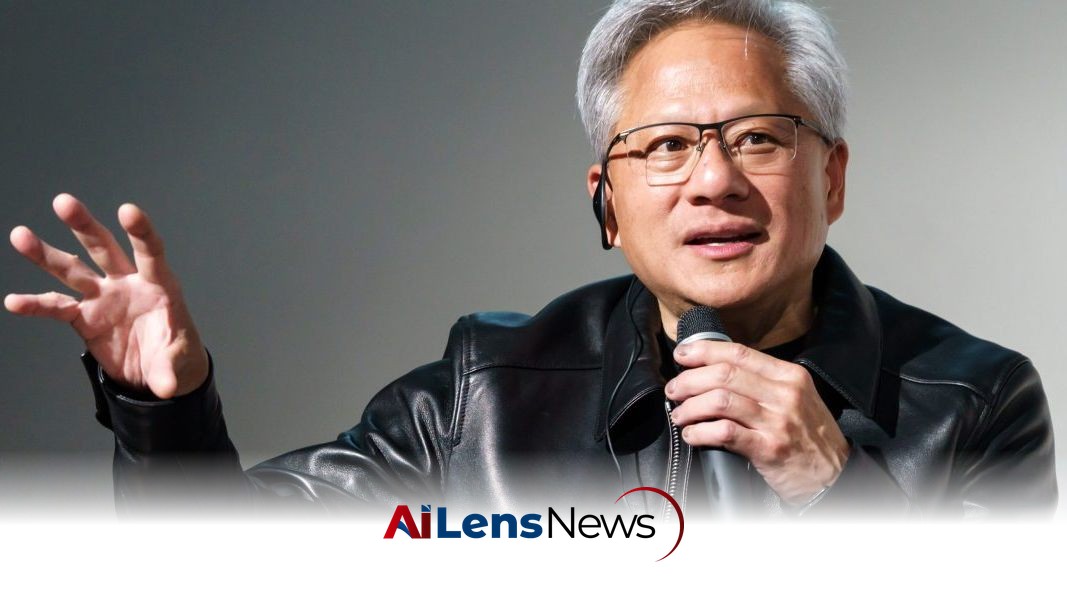


A coalition led by Nvidia and Microsoft urges policymakers to support open-weight AI models, emphasizing their importance for innovation and competitiveness.
Washington DC, United States Jul 24, 2026 ALN: A coalition of technology companies led by Nvidia Corp. and Microsoft Corp. has recently called on policymakers to promote the development of open-weight artificial intelligence models, positioning this initiative as critical for ensuring that the United States maintains its technological leadership on the global stage. The call comes at a time when the competition in the AI sector is intensifying, not only among U.S. companies but also with foreign entities, particularly from China.
In a letter released on a Friday, a group of tech firms including Palantir Technologies Inc. and Meta Platforms Inc. articulated their belief that an open approach to AI software development is essential for fostering ongoing innovation in AI and other vital areas of the economy. Open-weight models are designed to be more accessible; they allow users to download, modify, and customize the technology according to their specific needs, making it more versatile for developers and businesses alike. This adaptability is seen as a key factor in promoting widespread adoption and integration of AI technologies across various sectors.
The letter emphasized that open-weight models “are an important part of that foundation because they make advanced AI more accessible, adaptable and widely available.” This sentiment was echoed by Nvidia Chief Executive Officer Jensen Huang, who shared the letter on his new personal X account. Microsoft CEO Satya Nadella also promoted the message through his own account, highlighting the collaborative nature of this initiative among leading technology firms.
The timing of the letter is particularly significant, as it follows the recent unveiling of an open-weight model called Kimi K3 by the Chinese startup Moonshot AI. This model has been claimed to rival offerings from leading U.S. firms such as OpenAI and Anthropic PBC. The introduction of Kimi K3 has caused a ripple effect among investors and has led to discussions among policymakers in Washington regarding the potential need to impose restrictions on China's AI technology. This development underscores the urgency felt by U.S. tech companies to advocate for their own models in order to maintain a competitive edge.
Historically, Chinese companies have flooded the AI market with more affordable open models that, while often not matching the cutting-edge capabilities of their U.S. counterparts, can undercut them on price. This competitive pricing strategy has raised concerns among U.S. firms regarding market share and profitability. Although some AI developers, such as OpenAI, do provide open alternatives, the majority of their focus has been on developing closed or proprietary systems that are marketed to businesses and customers. This approach is largely driven by the need to recover the substantial investments required to develop advanced AI technologies. The disparity in business models between open and closed systems has led to a complex landscape where innovation must be balanced with economic viability.
The coalition of technology firms, while not explicitly mentioning China or Moonshot in their letter, has made a broader appeal for the necessity of bolstering and maintaining U.S. competitiveness in the AI sector. They argue that open-weight models have the potential to enhance global adoption of AI technologies, which in turn could drive up sales of hardware components like chips from firms such as Nvidia. This would create a positive feedback loop where increased adoption of AI leads to greater demand for the technology that powers it, further solidifying the U.S. position in the global tech landscape.
In their letter, the coalition stated, “Our AI leadership will be judged not by one frontier AI model, but by whether the United States builds a strong, open ecosystem that diffuses into every sector.” This statement reflects a strategic vision for the future of AI in the United States, emphasizing the importance of creating an environment conducive to innovation and prosperity across the country. The coalition believes that by fostering an open ecosystem, the U.S. can ensure that AI technologies are not only advanced but also widely disseminated and utilized across various industries.
The implications of this advocacy for open-weight AI models extend beyond mere competition. They touch upon issues of accessibility, equity, and the democratization of technology. By making AI tools more available to a broader range of developers and businesses, there is potential for more diverse applications of AI technology, which could lead to innovative solutions for societal challenges. Furthermore, a robust open-weight model ecosystem could empower smaller firms and startups that may not have the resources to develop proprietary systems, thereby leveling the playing field in the tech industry.
As the debate around AI continues to evolve, the need for a balanced approach that encourages innovation while addressing ethical considerations and potential risks associated with AI deployment becomes increasingly critical. Policymakers, industry leaders, and stakeholders must engage in ongoing discussions to define the framework within which AI technologies will be developed and utilized. The call for open-weight models represents one facet of this broader dialogue, highlighting the importance of collaboration among technology firms, government entities, and the public to navigate the complexities of AI advancement responsibly.
In conclusion, the coalition led by Nvidia and Microsoft is advocating for an open-weight AI model approach as a strategic imperative for maintaining U.S. technological leadership. The letter underscores a recognition of the competitive landscape shaped by both domestic and international players and the necessity for a collaborative ecosystem that fosters innovation. As the AI sector continues to grow and evolve, the outcomes of these discussions and initiatives will likely have lasting implications for the future of technology in the United States and beyond.
To learn more about the latest developments in Software & Platforms, stay updated with our exclusive reports and analyses on AiLensNews.

