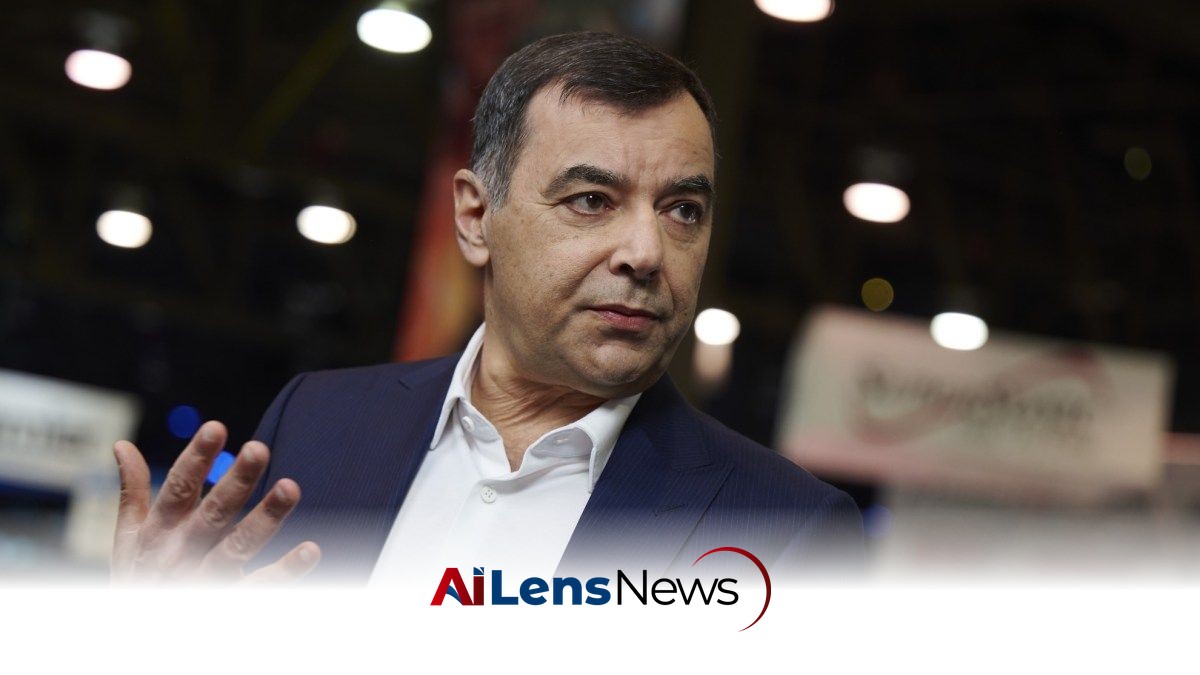


Amnon Shashua, founder and CEO of Mobileye, will step down as the company transitions into robotaxis and humanoid robotics, while remaining CEO until a replacement is found.
Washington DC, United States Jul 24, 2026 ALN: Mobileye founder and CEO Amnon Shashua plans to step down from the top leadership post after nearly three decades, just as the company pushes into robotaxis and humanoid robots.
Shashua will remain CEO until Mobileye hires a replacement, according to a regulatory filing Thursday. His departure marks a significant transition for the company, which has been at the forefront of automotive technology and innovation.
Mobileye got its start making computer vision chips based on Shashua’s academic research at Hebrew University in Israel. Founded in 1999, the company initially focused on developing advanced driver-assistance systems (ADAS) that enhance vehicle safety by providing capabilities such as lane departure warnings and automatic emergency braking. Over the years, Mobileye grew into a major supplier of the chips that power automotive safety and driver-assistance features, establishing itself as a leader in the industry.
The company's journey was marked by a series of significant milestones. In 2014, Mobileye had the largest initial public offering (IPO) in Israel’s history, raising $890 million on the New York Stock Exchange. This success attracted the attention of major technology companies, leading to its acquisition in 2017 by Intel for $15.3 billion. This acquisition was seen as a strategic move by Intel to strengthen its position in the automotive sector, particularly in the realm of autonomous driving technology. However, in 2022, Mobileye was spun back out as a publicly traded company, although Intel remains its largest shareholder.
Under Shashua's leadership, Mobileye expanded its scope beyond merely supplying chips to automakers. The company began building its own systems capable of handling autonomous driving, positioning itself as a competitor to other tech giants in the field, such as Waymo and Tesla. Mobileye's technology is now utilized by various automotive manufacturers, including Volkswagen and its MOIA subsidiary, which focuses on ride-sharing services.
In recent developments, Mobileye has been actively pursuing advancements in robotics. In January, the company acquired Shashua’s humanoid robotics startup, Mentee Robotics, for $900 million. This acquisition was framed as a pivotal step in what Shashua referred to as "Mobileye 3.0," representing the next phase of the business where robotics and automotive artificial intelligence (AI) become integral components of its strategy. The integration of humanoid robots into its portfolio signifies Mobileye's ambition to not only lead in vehicle automation but also to explore the broader implications of robotics in everyday life.
Moreover, in June, Mobileye announced plans to launch its own robotaxi service in a U.S. city by 2027. This move is indicative of the growing trend among technology companies to develop autonomous ride-hailing services, a market that is expected to expand significantly in the coming years. By entering this space, Mobileye aims to leverage its expertise in computer vision and AI to create a safe and efficient transportation solution that could reshape urban mobility.
The implications of Shashua's departure are manifold. As the founder and a visionary leader, Shashua has been instrumental in shaping Mobileye's direction and culture. His exit raises questions about the future leadership of the company and how the new CEO will navigate the rapidly evolving landscape of automotive technology, particularly as competition intensifies in the fields of autonomous driving and robotics.
The transition in leadership comes at a critical juncture for Mobileye, as the company seeks to capitalize on the growing demand for autonomous vehicle technologies and robotics solutions. The success of its future initiatives will depend not only on technological advancements but also on regulatory frameworks, public acceptance, and the ability to forge strategic partnerships within the industry.
As Mobileye embarks on this new chapter, the focus will likely be on maintaining its competitive edge in the automotive sector while also exploring new markets and applications for its technologies. The company's commitment to innovation and its strategic vision under Shashua's leadership have set a strong foundation, but the next CEO will face the challenge of building upon this legacy while adapting to the dynamic and often unpredictable nature of the tech industry.
In conclusion, Amnon Shashua's decision to step down as CEO marks a significant turning point for Mobileye, a company that has played a pivotal role in advancing automotive safety and automation. As it transitions into new areas such as robotaxis and robotics, the leadership change will be closely watched by industry analysts and stakeholders alike, who will be eager to see how Mobileye continues to innovate and adapt in an increasingly competitive landscape.
Shashua's departure is also emblematic of the broader trends within the automotive and technology sectors. The race towards autonomous driving and robotics is intensifying, with numerous companies vying for dominance in these fields. This competition is not only about technological prowess but also involves navigating complex regulatory environments, addressing public concerns about safety, and ensuring that these technologies can be integrated into existing urban infrastructures.
The future of transportation is likely to be shaped by the strategic decisions made by companies like Mobileye. As they invest in new technologies and business models, the implications for consumers, urban planning, and the environment will be profound. Mobileye's foray into robotaxis and humanoid robotics could lead to significant shifts in how people interact with transportation systems and the role that technology plays in daily life.
In addition, the emphasis on robotics highlights a growing recognition of the potential for AI and automation to extend beyond vehicles into various sectors, including healthcare, logistics, and personal assistance. The convergence of these technologies could lead to innovative solutions that address some of society's most pressing challenges, such as labor shortages, aging populations, and the need for more efficient service delivery.
As Mobileye prepares for this new phase, the industry will be watching closely. Stakeholders will be particularly interested in how the company will balance its traditional strengths in automotive technology with its ambitions in robotics. The next CEO will need to not only carry forward Shashua's vision but also bring fresh perspectives that can adapt to the rapidly changing technological landscape.
The leadership transition at Mobileye could also serve as a case study for other companies in the tech space facing similar shifts. As industries evolve, the challenges of leadership succession and strategic direction become increasingly critical. How Mobileye navigates this transition could provide valuable lessons for others in the field.
In summary, Amnon Shashua's impending departure from Mobileye marks a pivotal moment for the company and the broader automotive and technology sectors. As Mobileye seeks to expand into robotaxis and robotics, the leadership change will not only influence its trajectory but could also have far-reaching implications for the future of transportation and automation. The journey ahead will undoubtedly be watched with great interest as the company strives to maintain its innovative edge while adapting to new challenges and opportunities in a competitive landscape.
To learn more about the latest developments in Software & Platforms, stay updated with our exclusive reports and analyses on AiLensNews.

