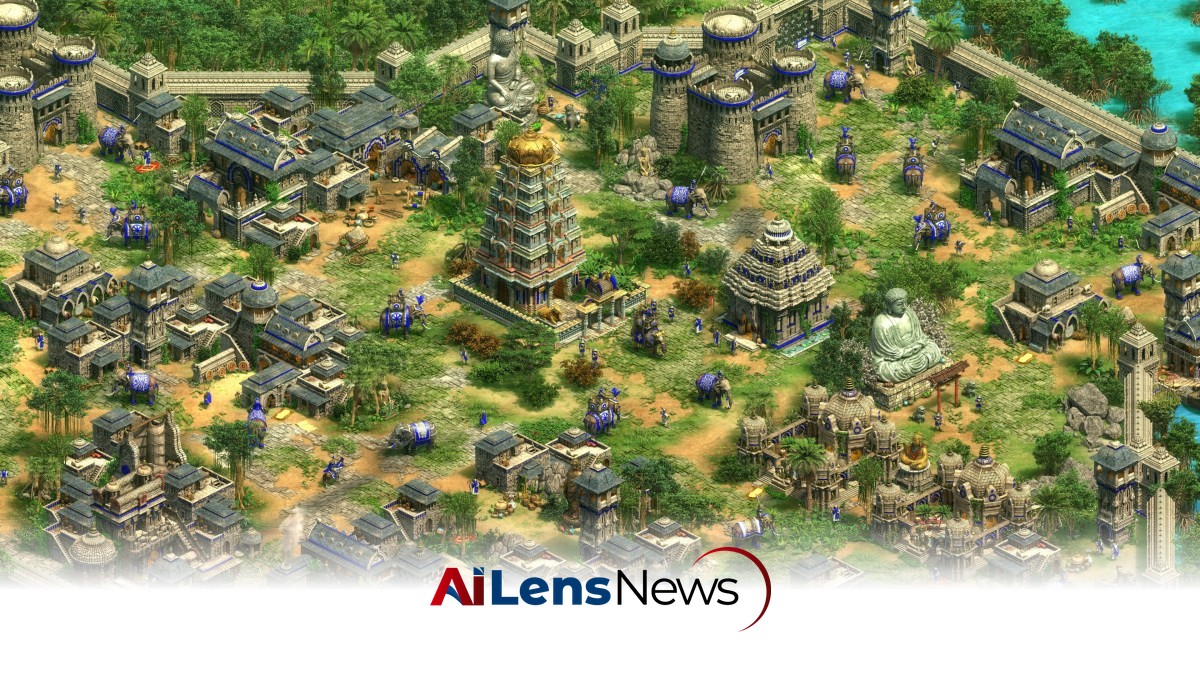


Microsoft has patched a significant vulnerability in Age of Empires II that could have allowed hackers to take control of players' computers through malicious game invites.
Washington DC, United States Jul 16, 2026 ALN: On Tuesday, Microsoft addressed a historic number of security vulnerabilities across its product lines, significantly aided by AI technology that helped both the company and external researchers identify these issues.
Among the vulnerabilities fixed was one affecting the remastered version of the classic 25-year-old war strategy game, Age of Empires II. This flaw enabled hackers to potentially take control of a victim’s computer by sending a specially crafted malicious game invite, according to security researchers.
A video shared on social media platform X demonstrated how this vulnerability could be exploited by malicious actors.
According to cybersecurity firm Rapid7, a successful attack could have allowed hackers to place harmful files on the victim’s computer, thereby granting them the ability to execute malicious code on the compromised machine.
This effectively meant that the hacker could have gained complete control over the affected computer.
While there is currently no evidence suggesting that this bug was exploited in the wild, targeting video gamers can be a highly effective method for cybercriminals to install malware on a large number of systems and potentially steal sensitive information, such as passwords.
The discovery of this vulnerability highlights a growing trend in cybersecurity where classic games, often perceived as harmless entertainment, become vectors for cyberattacks. As the gaming industry has evolved, so too have the tactics used by cybercriminals. With millions of players engaging in online multiplayer games, the potential for exploitation increases. Cybercriminals are increasingly targeting gaming platforms and communities, where players may be more susceptible to social engineering tactics.
Age of Empires II, originally released in 1999, has seen a resurgence in popularity with the release of its Definitive Edition, which includes enhanced graphics, new content, and multiplayer capabilities. This revival has attracted both new players and nostalgic fans, creating a vibrant online community. However, the influx of players also presents a larger attack surface for malicious actors looking to exploit vulnerabilities.
The vulnerability in Age of Empires II is a stark reminder of the importance of cybersecurity in the gaming industry. As games become more complex and interconnected, the security implications grow. Developers must remain vigilant in identifying and patching vulnerabilities, especially in online multiplayer environments where interactions between players can introduce new risks.
Microsoft's proactive approach to addressing this vulnerability is commendable, as the company has made significant strides in enhancing the security of its software products. The integration of AI technology to assist in identifying vulnerabilities marks a notable advancement in the field of cybersecurity. AI can analyze vast amounts of data and identify patterns that may indicate potential security threats, allowing companies to respond more quickly to emerging risks.
In addition to the vulnerability in Age of Empires II, Microsoft's recent patch also addressed several other critical vulnerabilities across its product lines, including Windows operating systems, Microsoft Office, and Azure cloud services. This comprehensive approach to security reflects the company's commitment to safeguarding its users from potential threats.
The implications of such vulnerabilities extend beyond individual gamers. A successful exploitation could lead to a broader security breach affecting not just the victim's personal information, but also potentially compromising networks and systems connected to the compromised device. This interconnectedness underscores the necessity for robust cybersecurity measures, not only for individual users but also for organizations that may be connected to these networks.
The gaming community is particularly vulnerable to these types of attacks due to the social nature of online gaming. Players often share personal information, including usernames, passwords, and payment details, which can be harvested by malicious actors. Furthermore, the emotional investment players have in their gaming experiences can make them more susceptible to phishing attempts and other forms of social engineering.
As the gaming landscape continues to evolve, it is imperative for developers to prioritize security in their products. This includes not only addressing known vulnerabilities but also implementing best practices in secure coding, regular security audits, and user education on safe gaming practices. Players should be encouraged to use strong, unique passwords for gaming accounts and to be cautious about sharing personal information online.
In conclusion, the recent security vulnerability in Age of Empires II serves as a critical reminder of the importance of cybersecurity in the gaming industry. As technology advances and the gaming community expands, both developers and players must remain vigilant in protecting against potential threats. Microsoft's swift action in addressing this vulnerability is a positive step towards ensuring a safer gaming environment for all users, and it highlights the ongoing need for collaboration between tech companies, cybersecurity experts, and the gaming community to combat the ever-evolving landscape of cyber threats.
The rise of online gaming has transformed how players interact with one another, providing a platform for socialization and competition. However, this shift has also created new avenues for cybercriminals to exploit vulnerabilities in both the games themselves and the networks on which they operate. The Age of Empires II vulnerability is a clear example of how even well-established franchises are not immune to such risks.
As more players engage in online multiplayer experiences, the need for robust security measures becomes increasingly vital. Developers must not only focus on creating engaging gameplay but also prioritize the security of their platforms. This includes regular updates to address vulnerabilities, implementing strong encryption measures, and fostering a culture of security awareness among players.
Furthermore, the involvement of AI in cybersecurity is a game-changer. By leveraging machine learning algorithms, companies can proactively identify potential threats and mitigate risks before they escalate into serious breaches. This technology can analyze user behavior, detect anomalies, and provide real-time alerts, enabling quicker responses to emerging threats.
In addition to technological advancements, the collaboration between developers, cybersecurity professionals, and the gaming community is essential. By sharing information and best practices, stakeholders can create a more secure gaming environment. Community engagement is also critical, as players can serve as the first line of defense by reporting suspicious activities and potential vulnerabilities.
As the gaming industry continues to grow, so too will the sophistication of cyber threats. Developers must remain vigilant and adaptive, continuously evolving their security strategies to keep pace with emerging risks. This includes investing in research and development to explore new security technologies and methodologies.
In summary, the vulnerability discovered in Age of Empires II underscores the importance of cybersecurity in the gaming realm. The proactive measures taken by Microsoft demonstrate a commitment to user safety, but it is a collective effort that requires the involvement of all stakeholders in the gaming ecosystem. As technology and gaming evolve, so too must the strategies to combat cyber threats, ensuring a secure and enjoyable experience for all players.
To learn more about the latest developments in Software & Platforms, stay updated with our exclusive reports and analyses on AiLensNews.

