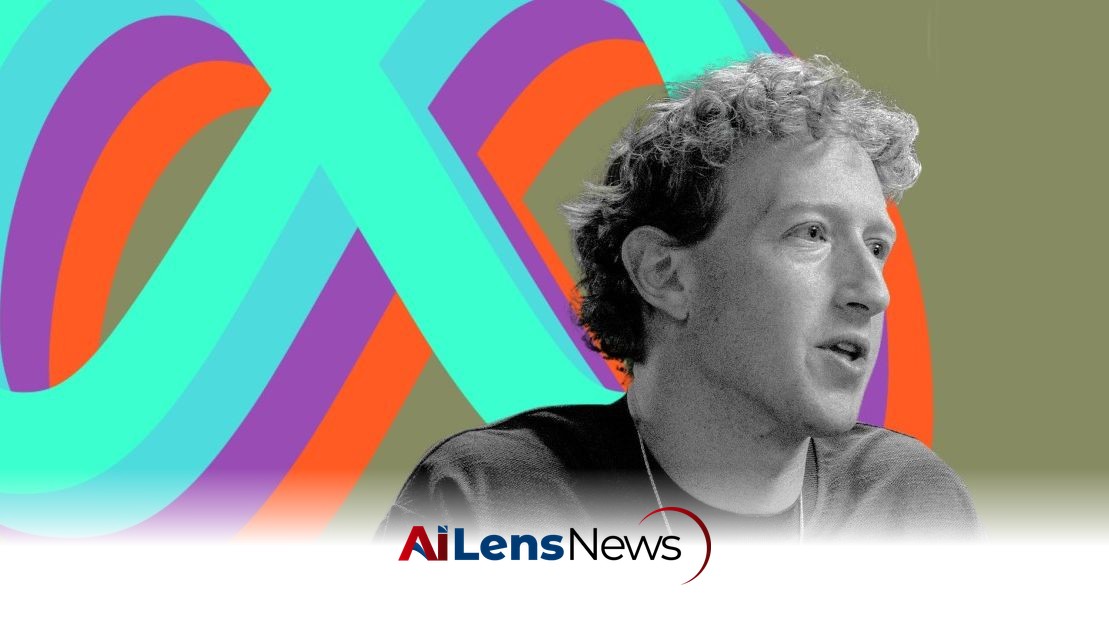


Mark Zuckerberg reveals Meta's strategy to develop personal AI agents that will assist users in various aspects of life, aiming for widespread adoption.
Washington DC, United States Jul 30, 2026 ALN: Meta, the parent company of Facebook, Instagram, WhatsApp, and Oculus, has made a significant commitment to the development of artificial intelligence (AI) technologies. In a recent earnings call, CEO Mark Zuckerberg outlined ambitious plans for personal AI agents that are designed to operate continuously on behalf of users, aiming to enhance various aspects of their lives, including health, relationships, and finances. This initiative marks a strategic pivot for Meta as it seeks to establish a foothold in the burgeoning personal AI market.
During the Q2 2026 earnings call, Zuckerberg provided insights into the company's vision for personal AI agents, emphasizing their potential to serve as indispensable tools for users. He stated, "Soon we will have agents that can work 24/7 on your behalf to help you achieve your goals and improve your life, your health, your relationships, your finances, whatever you want." This vision highlights Meta's intention to create AI solutions that are not only functional but also user-friendly, catering to a broad audience beyond just tech-savvy individuals.
The concept of personal AI agents is not entirely new, but Zuckerberg's remarks signal a potential shift in how these technologies are perceived and utilized. Traditionally, AI has been viewed through the lens of enterprise applications, where its primary role has been to automate tasks and improve efficiencies in business settings. However, Zuckerberg's focus on personal applications suggests a growing recognition of the need for AI that directly benefits individual users in their everyday lives. By positioning personal AI agents as tools for personal development and well-being, Meta aims to tap into a market that is increasingly looking for ways to leverage technology for self-improvement.
Zuckerberg's comments suggest a clear differentiation from competitors in the AI space, particularly companies like Anthropic and OpenAI, which have focused heavily on AI agents for coding and enterprise applications. While Meta acknowledges the success of AI in technical fields, Zuckerberg's emphasis on consumer usability indicates a strategic shift towards creating products that are accessible to the average user. This could potentially open up new revenue streams for Meta as it seeks to capitalize on the growing interest in personal AI technologies.
In contrast to Meta's approach, Google has also made strides in the personal AI domain with its Gemini Spark tool, which has garnered attention for its capabilities. However, Zuckerberg's remarks raise questions about how Meta's forthcoming agents will compare in terms of functionality and user experience. The competitive landscape in AI is rapidly evolving, and Meta's ability to carve out a niche will depend on the effectiveness and appeal of its personal agents. As more companies enter this space, the challenge will be not only to innovate but also to ensure that these innovations resonate with users in a meaningful way.
Despite the ambitious plans, Meta faces notable challenges in the personal AI market. One significant hurdle is the company's current position relative to more established AI players like Google and Microsoft. Unlike these companies, Meta lacks direct access to users' emails and documents, which are critical for personal AI agents to function effectively. This limitation could hinder the development of agents that provide seamless integration into users' daily lives. For personal AI agents to be truly effective, they need to access and analyze a wide range of personal information, which raises questions about how Meta will navigate these limitations.
Furthermore, Meta is currently grappling with issues of consumer trust and privacy, particularly in light of its ongoing challenges with smart glasses and public perception. The company's history of data privacy concerns has led to skepticism among users, which could impact their willingness to adopt new AI technologies. Building trust will be essential for Meta as it seeks to introduce personal AI agents into a market that is already wary of privacy implications. Addressing these concerns proactively will be crucial for Meta to gain user acceptance and foster a positive relationship with its audience.
In the earnings call, Zuckerberg hinted at the potential for personal agents to become a foundational element of Meta's future products and revenue streams. He stated that more information would be shared in the near future, indicating that the company is actively working on developing these technologies and is eager to engage with users about their capabilities. This anticipation for future developments reflects Meta's commitment to not only innovate but also to involve its user base in the evolution of its AI offerings.
In addition to personal AI agents, Zuckerberg highlighted the success of Meta's business agents, which are currently available on platforms like WhatsApp and Messenger. With over 1 million businesses utilizing these agents weekly, the company is looking to expand this offering to Instagram as well. This focus on business applications of AI showcases Meta's strategy to leverage its existing platforms to enhance user engagement and drive revenue. By integrating AI solutions into its business services, Meta is positioning itself as a leader in the AI-driven business landscape.
Meta's commitment to AI is further underscored by the recent launch of its Muse Spark AI model, which has been updated to improve coding capabilities. The company has restructured its workforce to prioritize AI development, reportedly reallocating 7,000 employees to focus on new AI initiatives while simultaneously laying off approximately 8,000 staff in May. This restructuring reflects the company's determination to position itself as a leader in the AI space, even as it navigates the complexities of workforce management. Such significant changes indicate that Meta is serious about its AI ambitions and is willing to make tough decisions to achieve its goals.
Financially, Meta is making substantial investments in its AI infrastructure, with projections indicating capital expenditures ranging from $130 billion to $145 billion in 2026. This includes the construction of a 1-gigawatt data center campus in collaboration with BlackRock, which will enhance Meta's computational capabilities and support its AI ambitions. Such investments are critical as the demand for AI technologies continues to surge, driven by advancements in machine learning and data analytics. The establishment of a robust infrastructure will be essential for Meta to support the development and deployment of its personal AI agents.
During the earnings call, Zuckerberg also revealed that Instagram has surpassed 2 billion daily active users, a milestone that underscores the platform's immense popularity and user engagement. This user base presents a significant opportunity for Meta to integrate personal AI agents and business solutions, potentially transforming the way users interact with the platform. The sheer scale of Instagram's user base could provide Meta with valuable insights into user behavior and preferences, which could inform the development of its AI agents.
In summary, Meta's foray into personal AI agents represents a bold step towards redefining how users engage with technology in their daily lives. As the company navigates the challenges of competition, trust, and infrastructure, its success will hinge on the ability to create user-friendly, effective AI solutions that resonate with a broad audience. With the promise of future developments on the horizon, the tech world will be watching closely to see how Meta's vision for personal AI unfolds in the coming months and years. As the landscape of AI continues to evolve, Meta's strategies and implementations will be critical in determining its position in the market and its ability to meet the needs of its users.
To learn more about the latest developments in Software & Platforms, stay updated with our exclusive reports and analyses on AiLensNews.

