

More
Checking your session
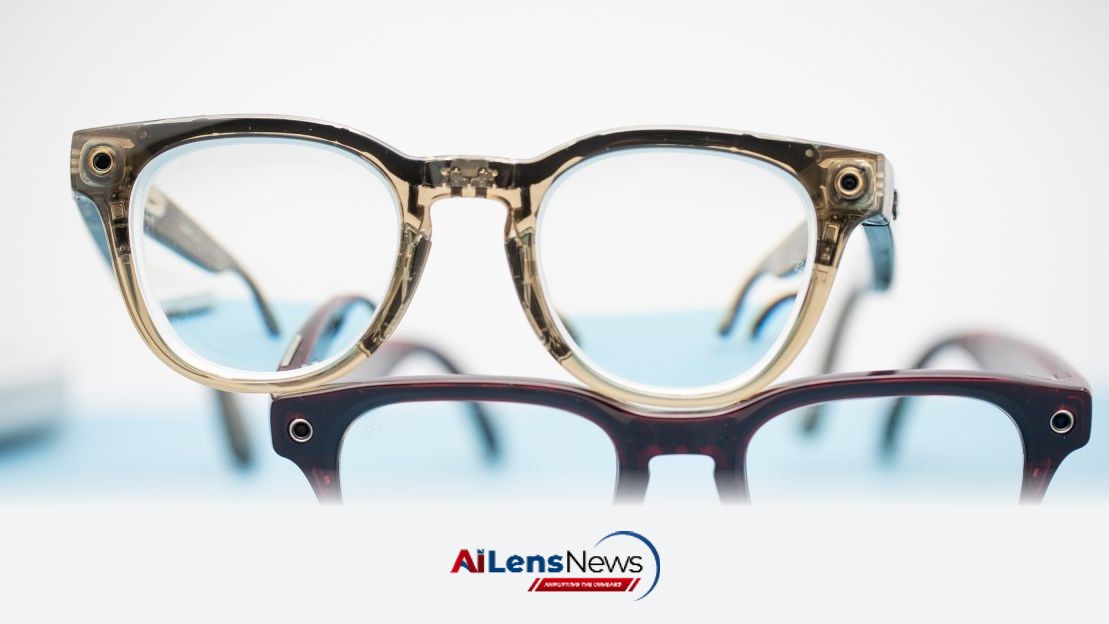



Meta is addressing privacy concerns related to its smart glasses by implementing a fix that prevents covert recording, alongside a new marketing campaign.
Washington DC, United States Aug 28, 2026 ALN: Meta, formerly known as Facebook, has been at the forefront of the augmented reality (AR) and smart glasses market, with its AI-powered smart glasses generating significant interest and controversy since their initial launch. The latest update to the smart glasses aims to address privacy concerns that have arisen from user behavior and the functionality of the glasses themselves. Specifically, the company has responded to criticisms regarding a loophole that allowed users to continue recording videos even after covering the front-facing LED indicator, which is designed to inform bystanders when recording is taking place.
In a recent post on Threads, Alex Himel, Meta’s vice president of augmented reality, announced that the company has implemented a crucial update: “the camera will now stop working if the light is covered during a recording.” This change is part of a broader effort to enhance privacy features and ensure that users respect the boundaries of those around them. Previously, the smart glasses were programmed to disable the cameras if the LED light was covered, but some users discovered that they could circumvent this by covering the LED after starting a recording, thus allowing them to capture footage without notifying others.
This update follows a previous enhancement made just over a month ago, where Meta introduced a feature that would deactivate the camera if the user physically tampered with the capture light. These ongoing updates signify Meta's commitment to improving user experience while addressing the growing concerns regarding privacy and consent in public spaces.
Himel emphasized the importance of these updates in a statement, noting, “We’re going to keep rolling out updates like this to make sure the capture LED can reliably alert bystanders when photos or videos are being captured for someone’s gallery.” He further remarked that only a small fraction of users attempt to bypass these protections, suggesting that the measures in place are largely effective. However, the very existence of this loophole highlights the challenges that technology companies face in balancing innovation with ethical considerations.
The introduction of smart glasses has sparked a broader conversation about privacy and harassment, particularly as some users have been reported to record individuals without their consent. This behavior has raised alarms among privacy advocates and the general public, leading to concerns about the potential misuse of such technology. The situation has been exacerbated by reports indicating that Meta may be exploring the integration of facial recognition features into its glasses, which has prompted a global campaign against the product. Activists argue that such capabilities could further infringe on personal privacy and enable unwanted surveillance.
In response to the backlash, Meta has initiated a campaign aimed at raising awareness about the smart glasses' LED capture light. This campaign is particularly focused on communities where the glasses have gained popularity. Albert Aydin, a spokesperson for Meta, explained that the company is actively working to inform users and potential buyers about the importance of the LED indicator in signaling when recording is taking place. This initiative includes billboards and promotional videos that explicitly communicate the function of the capture light. One billboard currently displayed in Los Angeles features the tagline, “The camera lets you capture the moment. The light lets everyone around you know when you do,” reinforcing the message that transparency is a priority for the company.
The implications of these developments extend beyond Meta's smart glasses. As the technology landscape continues to evolve, the intersection of augmented reality, privacy, and social norms will become increasingly complex. The debate surrounding consent in public spaces, especially with devices capable of recording high-quality video and audio, is likely to intensify. Companies developing similar technologies will need to consider the ethical ramifications of their products and implement robust safeguards to protect individual privacy.
Moreover, as consumers become more aware of their rights and the capabilities of the technology they use, there may be a growing demand for transparency and accountability from tech companies. The situation with Meta's smart glasses serves as a case study for other organizations in the tech industry, illustrating the importance of proactively addressing privacy concerns and engaging with the community to foster trust.
As Meta continues to refine its smart glasses and address user concerns, it will be crucial for the company to maintain an ongoing dialogue with stakeholders, including consumers, privacy advocates, and regulatory bodies. The future of augmented reality and wearable technology hinges on the ability of companies to innovate responsibly, ensuring that advancements do not come at the expense of individual rights and societal norms.
To learn more about the latest developments in Gadgets & Devices, stay updated with our exclusive reports and analyses on AILensNews.

Amazon is providing significant discounts on Google’s Pixel 11 series, including…

As book-style foldable phones gain popularity, experts discuss the fading appeal…
Smart glasses are becoming increasingly popular, with innovative apps making the…
Huawei has introduced a new non-foldable smartphone featuring a larger screen, s…
Apple has launched updated versions of its Mac Mini and Mac Studio, designed to …