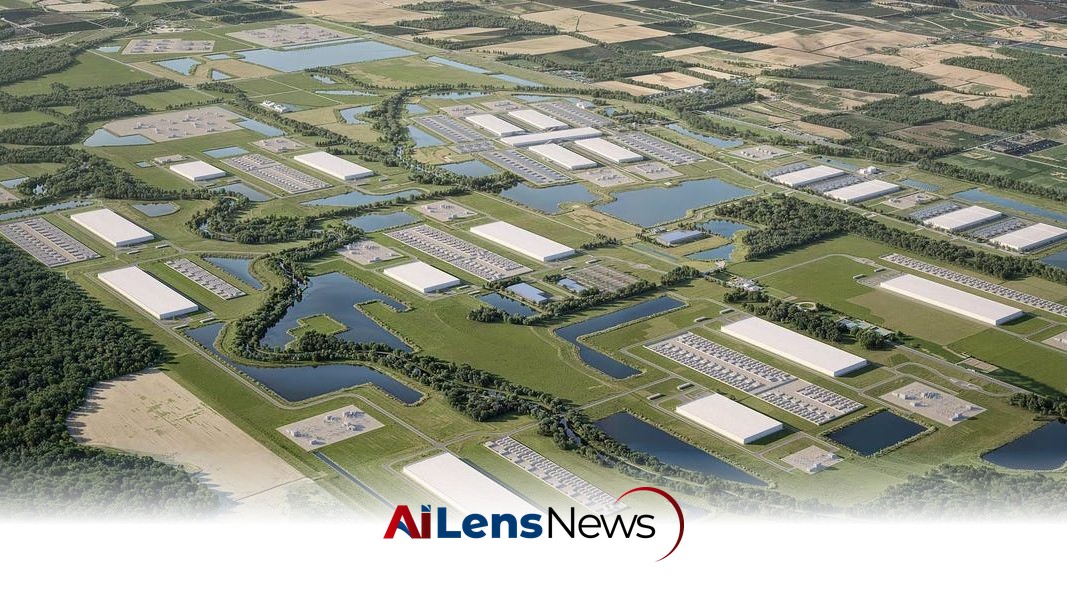


Meta's Hyperion data center in Louisiana will grow to 5 gigawatts, leading to $50,000 bonuses for local teachers and significant economic impact.
Washington DC, United States Jul 13, 2026 ALN: Meta has announced a significant expansion of its Louisiana data center, known as Hyperion, which is set to become the largest AI data center in its portfolio. This ambitious project will increase the data center's compute capacity to 5 gigawatts and raise its total cost to over $50 billion. The Hyperion data center is not just a technical upgrade; it represents a strategic move by Meta to enhance its capabilities in artificial intelligence processing and data management, which are crucial for the company's ongoing digital transformation.
In a blog post released on Monday, Meta highlighted the local economic benefits of the Hyperion project, particularly its impact on education. The increased tax revenues generated by the data center have enabled Richland Parish teachers to receive year-end bonuses of up to $50,000, a staggering 400% increase compared to the previous year. This funding boost has significant implications for the local educational landscape, allowing for enhanced resources, better retention of qualified educators, and overall improvement in the quality of education offered to students in the area.
Sheldon Jones, the superintendent of the parish's school district, expressed the transformative effect of this financial influx, stating that it has been "life-altering for our teachers and their families" and is "transforming our schools." He noted that last year, teachers received a $10,000 bonus, whereas this year, the amount has surged to over $50,000. Jones emphasized that Meta's investment has positioned Richland Parish as a destination for both education and industry, showcasing how corporate investment can lead to revitalization in local communities. The substantial bonuses are expected to attract and retain talented educators, which is crucial for the long-term success of the educational system in the parish.
The Hyperion project is touted as one of the largest investments in AI infrastructure globally. Since breaking ground on the 4 million-square-foot site in December 2024, local businesses have secured contracts worth over $1.6 billion from Meta. This influx of contracts not only stimulates the local economy but also creates a ripple effect, fostering job creation and economic diversification in the region. Local contractors and suppliers are likely to benefit from the increased demand for construction, maintenance, and operational services related to the data center.
Meta has committed to investing more than $1 billion in local infrastructure improvements, which will include upgrades to roads, water, and wastewater systems. These enhancements are essential for accommodating the increased demands that come with the operation of such a large facility. The company has also assured that it will cover the full costs of energy, water, and related infrastructure utilized by the data center, ensuring that local consumers are not burdened with these expenses. This commitment reflects a growing trend among large tech companies to take responsibility for their environmental impact and operational footprint, particularly in regions where their activities could strain local resources.
This expansion marks a significant escalation from last year's projections, when Meta and investment firm Blue Owl estimated the data center's cost at approximately $27 billion, with plans for more than 2 gigawatts of compute capacity. The increase in both cost and capacity highlights the rapid advancements in AI technology and the corresponding need for more robust data processing capabilities. Once operational, the Hyperion data center is expected to create over 1,000 jobs, contributing to the local economy and providing employment opportunities in a region where job creation is essential.
While Meta has emphasized the economic advantages of the project, the rapid development of AI data centers by major tech companies has raised concerns among critics regarding energy consumption, water usage, and the strain on local infrastructure. Critics argue that the energy demands of such large-scale operations could lead to increased carbon footprints and environmental degradation. Furthermore, the significant water usage required for cooling data centers has sparked debates about sustainability, especially in areas already facing water scarcity issues.
As AI technology continues to evolve, the implications of such expansions extend beyond immediate economic benefits. The Hyperion project may serve as a case study for other regions considering similar investments in tech infrastructure. Policymakers and community leaders will need to weigh the economic benefits against potential environmental and social costs. This balance is crucial in ensuring that advancements in technology do not come at the expense of local communities and ecosystems.
Moreover, the Hyperion data center's expansion aligns with a broader trend in the tech industry, where companies are increasingly investing in AI and machine learning capabilities. This shift is driven by the growing demand for data processing power to support applications ranging from natural language processing to autonomous systems. As Meta positions itself at the forefront of AI development, the implications of its investment in Louisiana could influence how other tech giants approach their own infrastructure needs and community engagements.
The Hyperion data center's expansion is also reflective of a larger trend in the tech industry towards decentralization of data centers. As companies seek to optimize their operations, they are increasingly looking to establish data centers in regions that can provide both economic incentives and a skilled workforce. This trend can lead to a more balanced distribution of technology jobs across the country, as opposed to the traditional tech hubs like Silicon Valley. By investing in Louisiana, Meta not only enhances its operational capabilities but also contributes to the diversification of the tech landscape in the United States.
In conclusion, Meta’s expansion of the Hyperion data center not only signifies a major investment in AI infrastructure but also highlights the potential for corporate investments to catalyze local economic development. The substantial bonuses for teachers in Richland Parish represent a significant shift in funding for education, underscoring the interconnectedness of technology, economy, and community well-being. As the project progresses, it will be essential to monitor its impacts on the local environment and infrastructure to ensure that the benefits are sustainable and equitably distributed among community members. The ongoing dialogue between Meta, local governments, and communities will be crucial in fostering a collaborative approach that maximizes the benefits of such significant investments while addressing the challenges they present.
To learn more about the latest developments in Software & Platforms, stay updated with our exclusive reports and analyses on AiLensNews.

