

Meta's Content Seal raises concerns as it mirrors existing solutions without clear advantages, prompting questions about its effectiveness.
Washington DC, United States Jul 22, 2026 ALN: In March, Meta’s Oversight Board called on the company to “meet its public commitments and employ its own tools” to help quell the spread of deceptive generative AI content across platforms. This call to action came amid growing concerns about the proliferation of AI-generated misinformation, which has the potential to undermine trust in digital media. With the rapid advancement of generative AI technologies, there is an increasing need for robust detection mechanisms that can help users identify authentic content. Meta responded in July by introducing Content Seal — an invisible watermarking technology that flags images generated by the company’s new AI model. However, this announcement was somewhat overshadowed, as it was buried in the broader rollout of its Muse image and video generation tools.
As someone who spends a lot of time scrutinizing AI labeling systems, Content Seal doesn’t fill me with confidence. The introduction of a new system raises questions about its efficacy, especially when there are already more established solutions in the market. For instance, C2PA Content Credentials and Google’s SynthID are both well-regarded technologies that have been developed to tackle the issue of AI detection. These systems have already been adopted by various stakeholders in the industry, including major AI developers, which raises the question of why Meta chose to develop its own system significantly later than its competitors. After digging around to figure out the rationale behind Meta's decision, I’m not convinced that the company has fully thought this through.
By Meta’s description, Content Seal works similarly to SynthID. The watermark, invisible to human eyes, provides a “hidden provenance signal” embedded into AI-generated images that can then be scanned and flagged by a detection tool. This feature is intended to help online users differentiate deepfakes from authentic content. Like SynthID, Meta also claims that Content Seal watermarks remain intact and can still be detected if the image is “cropped, compressed, resized, or screenshotted.” This aspect of the technology is crucial, as it ensures that the integrity of the watermark is maintained even when the image undergoes various forms of manipulation. However, the real test of this technology will be its practical application and the ease with which users can access detection tools.
So, if Content Seal functionally does the same thing as existing solutions, why not just adopt SynthID? Meta already operates as a steering committee member of the Coalition for Content Provenance and Authenticity (C2PA) that promotes the separate Content Credentials standard alongside Google, indicating that the company has shown a willingness to collaborate with others on solving the growing issue of AI detection. Furthermore, SynthID has already been adopted by OpenAI, suggesting that Google is also open to sharing its technology with rival AI providers in the name of improving transparency across the digital landscape.
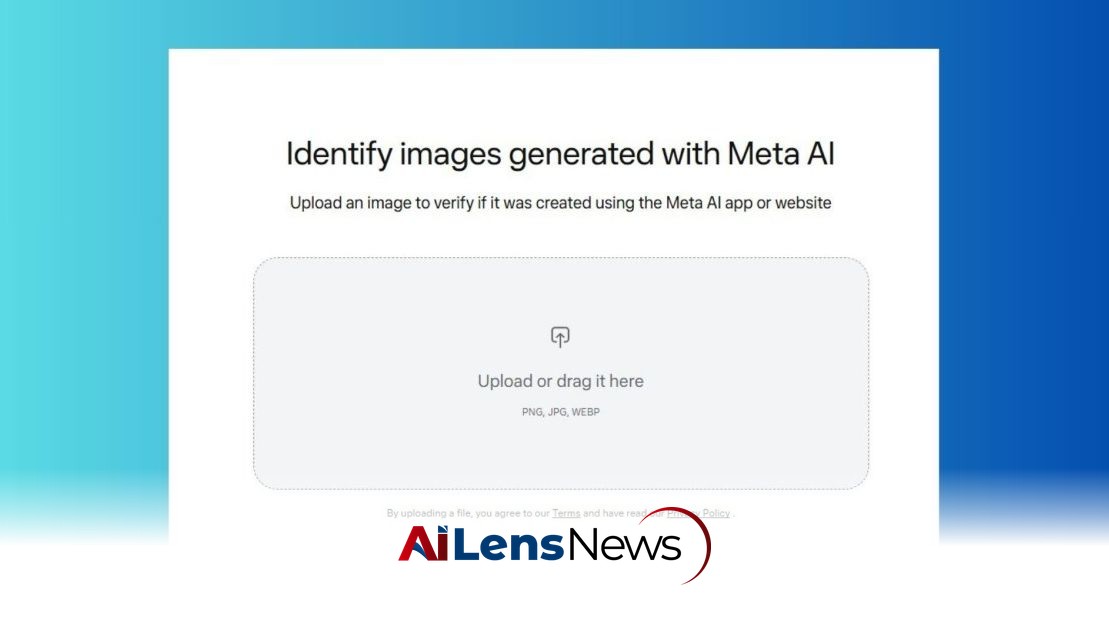
Content Seal has several limitations in its current state despite those similarities to Google’s system. For now, users can only detect Content Seal watermarks through a dedicated web tool that Meta is testing. This means that Meta hasn’t integrated those detection capabilities into its Meta AI chatbot, unlike Google, which has incorporated similar functionalities into its Gemini system. This lack of immediate accessibility raises concerns about the user experience and the overall effectiveness of the tool. It sounds like that may be in the works, however. Meta spokesperson Faith Eischen told The Verge that the company is “exploring ways to bring detection closer to where people encounter AI-generated content.” Given that’s where AI detection is needed most, and has been for some time, the absence of such features at launch seems like a missed opportunity.
The watermark itself is also only being applied to images generated by Muse in the Meta AI app and Meta.ai website, which significantly limits its scope. This means online users can’t use it to detect content created by Meta’s older AI models, which may still be prevalent in various online contexts. Additionally, support for generated video isn’t available either, although Meta has indicated that this feature is coming “soon.” The absence of video support is particularly notable, given the increasing prevalence of video content in digital media and the potential for AI-generated videos to mislead viewers.
Meta has imposed a daily limit on how many times users can check images for Content Seal through its detection tool. Eischen explained that this rate limit is designed to support “normal usage” while protecting the detection system from being misused. However, Meta didn’t clarify what such misuse would look like — presumably, attempts to crack the system to avoid watermarked content from being detected. This limitation raises questions about accessibility and the overall effectiveness of the tool in promoting transparency. In contrast, Google and OpenAI’s detection tools have similar rate limitations, but C2PA stands out as the only system that doesn’t cap how many times users can check content. Any limitation on detection feels counterintuitive to improving AI transparency at scale, which suggests that Meta’s system could have done more to differentiate itself from existing solutions.
On Meta’s own platforms like Facebook and Instagram that apply AI labels, Eischen stated that unspecified metadata “alongside Content Seal watermarking” is being used to help users identify AI-generated content. This raises further questions about the consistency of labeling practices across different platforms and the potential for confusion among users. When I asked Meta if it was instructing other online platforms like TikTok and LinkedIn that scan and label AI content on how to detect Content Seal, Eischen indicated that the company is “determined to work with our industry peers to make sure users have the best experience possible.” However, this sounds like broader support for the standard is still a work in progress, which could hinder the effective labeling of Muse-generated images outside of Meta’s own platforms.
When I tested an image I created using Meta’s Muse model with both Google’s Gemini and the official C2PA detection portal, neither tool was able to confirm that it was AI-generated. This raises concerns about the interoperability of Content Seal with existing detection systems and whether it can be applied to image and video files alongside SynthID and Content Credentials without causing conflicts. Unfortunately, Meta did not provide any clarification on this matter, which leaves users in a state of uncertainty about the reliability and effectiveness of the Content Seal system.
In response to questions about the rationale behind developing Content Seal, Eischen stated, “Like others, we built Content Seal natively towards our own technical specifications and products. It takes multiple approaches working together to address this across the ecosystem, and we’re glad to be contributing to that effort.” While this sentiment reflects a commitment to collaboration, it also highlights the challenge of establishing a unified standard in a rapidly evolving landscape. The effectiveness of Content Seal will ultimately depend on its ability to integrate seamlessly with other detection mechanisms and gain widespread acceptance among users and industry stakeholders.
Given that Content Seal can only detect images generated using Meta’s very latest AI model, one must wonder what the company has been doing all this time. Meta has provided AI image generation tools since 2023, and it has already generated a significant amount of content that cannot be detected by its own proprietary system. Furthermore, the introduction of AI tags to Instagram and Facebook in 2023 drew criticism from many photographers who were frustrated by the erroneous labeling of real photographs as “Made by AI.” This history of mislabeling raises concerns about Meta's ability to effectively manage AI-generated content on its platforms.
Three years on, Meta still seems to be grappling with how to position itself as both a producer of AI content and a provider of solutions for identifying it, particularly across its own platforms. The ongoing uncertainty surrounding the effectiveness of Content Seal and its limitations suggests that even senior leadership at Meta may be at a loss for what the next steps should be. As the landscape of generative AI continues to evolve, the need for effective detection mechanisms will only grow, and it remains to be seen whether Meta can rise to the occasion or if its efforts will fall short in addressing the challenges posed by AI-generated misinformation.
To learn more about the latest developments in Software & Platforms, stay updated with our exclusive reports and analyses on AiLensNews.

