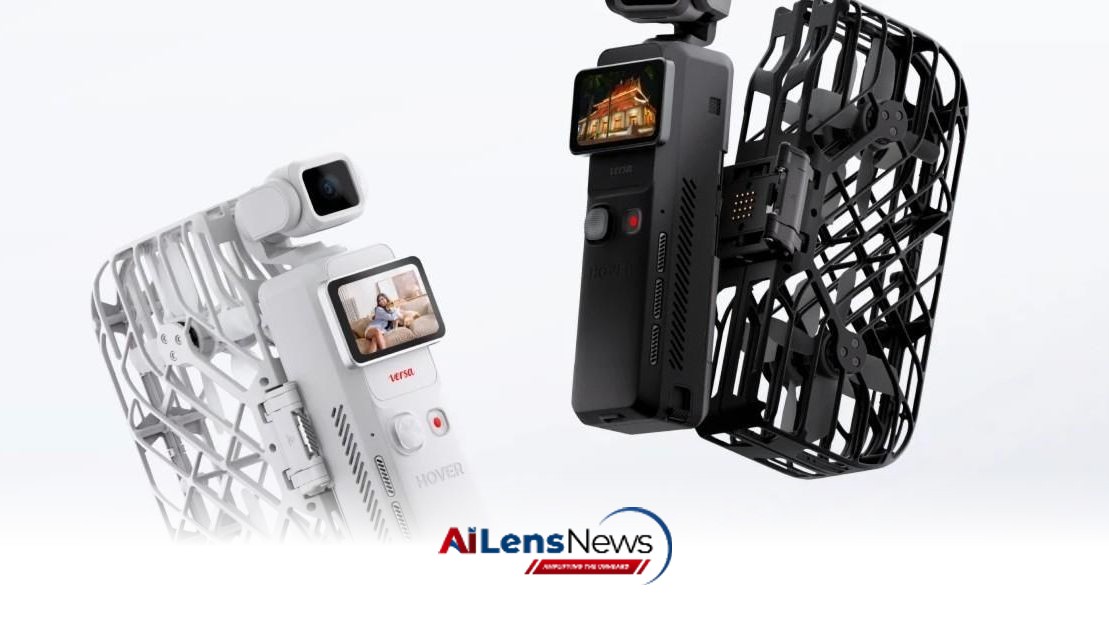



The HoverAir Versa, a modular drone, has halted US orders due to FCC regulations, raising concerns about its future in the market.
Washington DC, United States Aug 22, 2026 ALN: The HoverAir Versa, a unique modular drone designed to transform from a steadycam into a flying device, has already ceased taking orders in the United States just three days after its debut on Indiegogo. This abrupt halt appears to be a direct consequence of the Federal Communications Commission (FCC) drone ban, which has left many gadget enthusiasts disappointed. The HoverAir Versa was anticipated to be a game-changer in the consumer drone market due to its innovative design that allows users to switch seamlessly between filming and flying modes.
Initially, HoverAir informed backers that they would only be shipping the camera component to the US, excluding the necessary Flight Kit that enables the drone functionality. The company cited "a few remaining logistics updates" as the reason for this limitation. However, this phrasing may be a euphemism for a more serious issue: a federal ban on the product. The ban has raised questions about regulatory compliance in the rapidly evolving drone industry, where technology often outpaces legislation.
The FCC's database has reportedly removed any entries for the HoverAir Versa, indicating that its authorization grant has been revoked. This situation raises significant concerns for the company and its backers, as the drone's approval was contingent on meeting specific regulatory standards. The regulatory landscape for drones in the United States is complex, with the FCC overseeing communications aspects while the Federal Aviation Administration (FAA) manages airspace and safety regulations. This bifurcation can complicate the approval process for new drone technologies.
Despite initially receiving FCC approval on August 9, it was confirmed that this authorization was solely for the camera component, not the drone itself. HoverAir's parent company, Zero Zero Robotics, argued that the camera should not be blocked since it was not listed on the FCC's Covered List for cameras. However, all companies are automatically included on the FCC's covered list for drones and critical drone components, which includes cameras. This inclusion means that even if a component like a camera is not explicitly listed, it can still be subject to the same regulations that govern drones.
If the FCC ultimately rejects HoverAir's camera authorization, it won't just be the Flight Kit that cannot be imported or sold in the United States. The camera component would also become illegal, as it requires FCC authorization to be marketed. This potential outcome could have far-reaching implications for the company's business model, which relies heavily on the successful integration of both the camera and drone functionalities.
With the current situation, early backers of the HoverAir Versa may find themselves in a precarious position. If the product cannot secure the necessary approvals, they could be looking at refunds or other compensatory measures. The Indiegogo page for the HoverAir has already removed references to the Flight Kit, signaling potential complications ahead for the product's future. This move raises concerns about transparency and communication from the company, which is essential for maintaining trust with its early supporters.
Backers who invested in the HoverAir Versa were likely drawn by its innovative features and the promise of cutting-edge technology. The sudden halt in orders and the uncertainty surrounding the product's regulatory status could lead to frustration among these supporters, many of whom may have been eagerly anticipating the arrival of their drones. The crowdfunding model relies heavily on the goodwill of backers, and any perception of mismanagement or regulatory failure could damage the company's reputation in the long run.
As HoverAir navigates these regulatory challenges, the future of the Versa remains uncertain. The company will need to address these issues swiftly to maintain its credibility and fulfill its commitments to backers. This might involve working closely with regulatory bodies to clarify the status of the camera and drone components, as well as exploring alternative pathways to compliance. In the crowded drone market, where competition is fierce, the ability to swiftly adapt to regulatory changes can be a significant determinant of success.
Moreover, the HoverAir case highlights broader issues within the drone industry regarding regulation and innovation. As technology continues to advance, regulators face the challenge of keeping pace with new developments while ensuring safety and compliance. This incident may prompt a reevaluation of how drone components are categorized and regulated, potentially leading to changes in the framework governing drone technology in the United States.
In conclusion, the HoverAir Versa's launch has been marred by regulatory hurdles that threaten not only its immediate future but also the company's long-term viability. The situation underscores the complexities of introducing innovative technology in a heavily regulated environment and serves as a cautionary tale for other companies looking to enter the drone market. As HoverAir works to resolve these issues, the outcome will likely have significant implications for its backers, the company itself, and the broader landscape of drone technology.
To learn more about the latest developments in Gadgets & Devices, stay updated with our exclusive reports and analyses on AILensNews.

