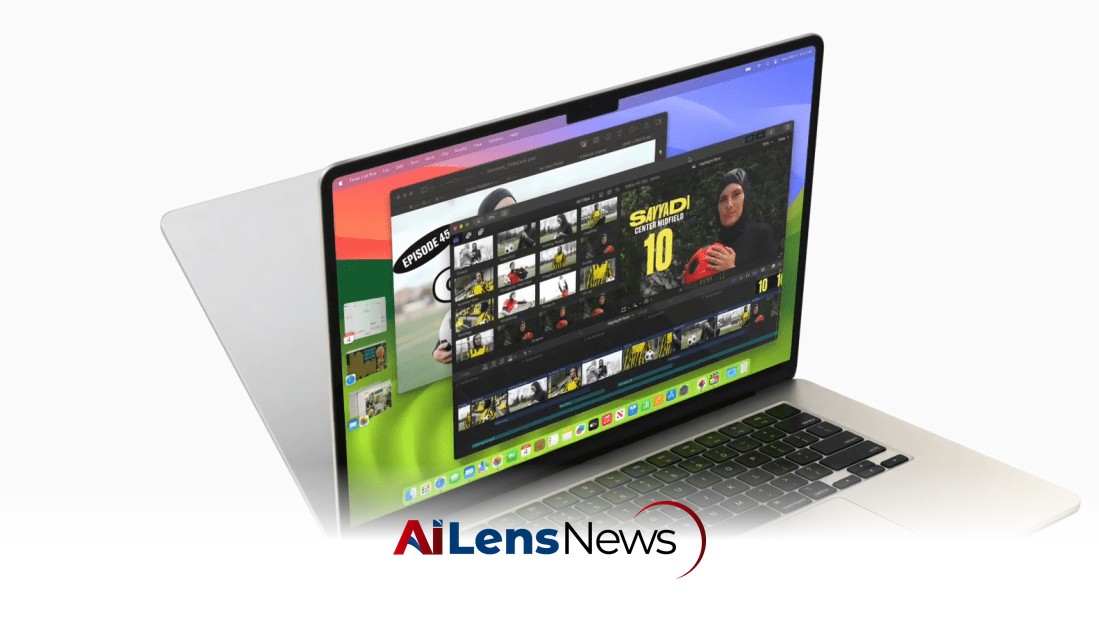


The global memory chip shortage is affecting the availability of Apple’s MacBook Air, with supply constraints reported by retailers.
Washington DC, United States Aug 3, 2026 ALN: The global memory chip shortage is affecting the availability of Apple’s most popular Mac, according to Bloomberg’s Mark Gurman.
Gurman said the shortage — caused by the demands of chip-hungry AI companies — had already affected Apple’s more niche computers, the Mac mini and Mac Studio. But it seems the company is now struggling to keep the MacBook Air in stock, with retailers saying that supply seems to be more constrained than ever before.
Indeed, anyone trying to buy a MacBook Air from the Apple website will have to wait until the back half of August — or for certain configurations, until September.
Gurman says Apple is working to address the issue by raising prices and sourcing memory from Chinese suppliers. Meanwhile, the company delayed its latest back-to-school promotion from June. And for the first time, the marketing material is more focused on the base model of the MacBook Pro. It even warns, “MacBook Air subject to availability.”
The ongoing memory chip shortage has been a significant concern for various sectors of the technology industry, extending beyond just Apple. The crisis has roots in the COVID-19 pandemic, which disrupted supply chains and led to a surge in demand for electronics as remote work and digital services became the norm. The unexpected spike in demand for consumer electronics, coupled with manufacturing delays, has created a perfect storm that has affected the availability of many tech products, including laptops, smartphones, and gaming consoles.
The memory chips in question are essential components for a wide range of devices. They are used in everything from personal computers to smartphones and even in the burgeoning field of artificial intelligence. AI companies, in particular, have been driving up demand for high-performance chips to enhance their capabilities, leading to a competitive environment where companies like Apple are vying for limited resources.
As a result of this competition, companies are finding it increasingly difficult to secure the necessary components for their products. Apple, known for its premium offerings, is particularly sensitive to supply chain disruptions, as its products are often marketed as high-end devices that require top-tier specifications. The MacBook Air, which has been a staple in Apple’s lineup for years, is no exception. Its popularity among consumers has made it a key product for the company, and any disruption in its availability can have significant repercussions for sales.
The situation has also prompted Apple to explore alternative strategies to mitigate the impact of the shortage. By raising prices, the company may be attempting to offset the increased costs associated with sourcing memory from different suppliers. The decision to look towards Chinese suppliers reflects a broader trend in the tech industry, where companies are diversifying their supply chains to reduce reliance on a single source or region. This strategy could help Apple secure the necessary components while potentially stabilizing prices in the long run.
The delay of the back-to-school promotion is another indication of the challenges Apple is facing. The back-to-school season is a critical time for technology sales, particularly for laptops, as students prepare for the new academic year. By postponing promotions, Apple may be trying to manage consumer expectations regarding product availability. This shift in marketing focus towards the MacBook Pro could also be a strategic move to highlight models that are more readily available, thereby minimizing potential customer dissatisfaction.
The phrase “MacBook Air subject to availability” in marketing materials is a notable change, as it underscores the severity of the supply chain issues. This kind of disclaimer is relatively uncommon for a product that has typically enjoyed consistent availability. It serves as a reminder to consumers that even established brands like Apple are not immune to the challenges posed by global supply chain disruptions.
Looking ahead, the implications of the memory chip shortage extend beyond just Apple and its MacBook Air. As companies continue to grapple with supply chain issues, consumers may face longer wait times for a variety of tech products. This could lead to a shift in purchasing behavior, with some consumers opting to delay their purchases or seek alternative brands that may have better availability. Moreover, the ongoing shortage could also impact product innovation, as companies may be forced to scale back on new features or enhancements due to component constraints.
The memory chip shortage is not a new phenomenon, but its recent escalation has highlighted vulnerabilities within the global supply chain. The pandemic's impact has been profound, with lockdowns and restrictions causing manufacturing delays that ripple through various sectors. The semiconductor industry, in particular, has struggled to keep pace with the rapid changes in demand, exacerbated by geopolitical tensions and trade policies that have further complicated sourcing strategies.
As companies like Apple navigate these challenges, they are also facing pressure from investors and consumers to maintain their market positions. The tech landscape is highly competitive, and the ability to deliver products on time can significantly influence a company's reputation and financial performance. For Apple, the MacBook Air is not just a product; it is a symbol of its innovation and a driver of customer loyalty. Disruptions in availability could lead to a loss of market share to competitors who may be better positioned to manage their supply chains.
In response to these challenges, some industry analysts suggest that companies should invest in building more resilient supply chains. This could involve increasing inventory levels, forging new partnerships with suppliers, and even exploring domestic manufacturing options. Such strategies may help mitigate the risks associated with future supply chain disruptions and ensure that companies can meet consumer demand more effectively.
In summary, the global memory chip shortage is having a tangible impact on the availability of Apple’s MacBook Air, a product that has been central to the company’s offerings. The situation reflects broader challenges within the tech industry, as companies navigate supply chain disruptions and increased competition for essential components. As Apple works to address these issues, consumers may need to adjust their expectations regarding product availability and pricing in the near future. The long-term effects of this shortage will likely continue to shape the landscape of the technology market, influencing everything from purchasing decisions to product development strategies.
Ultimately, the current crisis serves as a wake-up call for manufacturers and consumers alike, emphasizing the importance of adaptability and foresight in an ever-evolving technological landscape. As the industry moves forward, the lessons learned from this shortage may lead to more robust practices that can withstand future challenges, ensuring that innovation continues to thrive despite potential obstacles.
To learn more about the latest developments in Software & Platforms, stay updated with our exclusive reports and analyses on AiLensNews.

