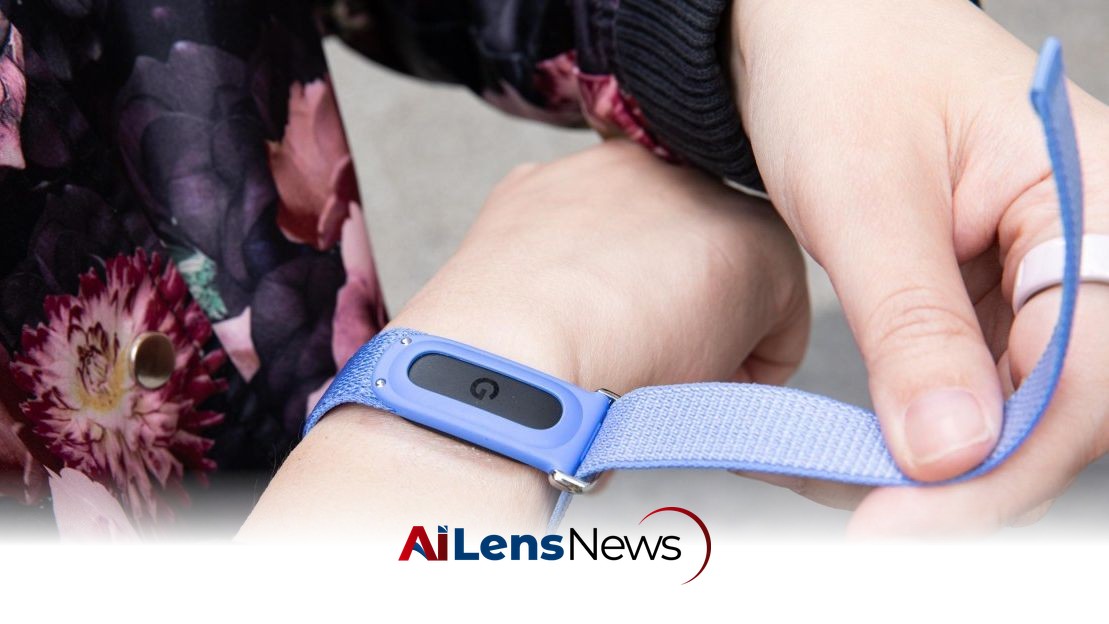


Google's latest update allows Fitbit users to connect their data directly to Apple Health, enhancing integration and user experience.
Washington DC, United States Aug 4, 2026 ALN: Google is rolling out an update that will finally allow you to connect your Fitbit workouts, steps, vitals, and other data to Apple Health, as reported earlier by 9to5Mac. With Google Health’s 5.05 update, you can now tap your profile icon, select “Partner apps,” and choose Apple Health to link your data directly. This significant development marks a pivotal moment in the integration of health technology, as it simplifies the process for users who rely on both Fitbit devices and Apple’s ecosystem.
Previously, users could only import their Apple Health data into Google Health, but not the other way around. This one-way data transfer limited the usability of health data across platforms and created a frustrating experience for users who wanted a comprehensive view of their health metrics. To bridge this gap, many users resorted to third-party applications such as Power Sync for Fitbit or Fitbit to Apple Health Sync, which often came with their own challenges, including potential data privacy concerns and reliability issues. The inability to sync data seamlessly between these two popular health platforms has been a long-standing issue for users who wish to utilize the full capabilities of both ecosystems.
The introduction of this two-way synchronization feature represents a significant shift in Google's approach to health data management. By allowing Fitbit users to send their data directly to Apple Health, Google is not only enhancing user experience but is also acknowledging the increasing demand for interoperability in health technology. As consumers become more health-conscious and tech-savvy, the expectation for seamless integration between different health applications and devices continues to grow.
The integration of Fitbit data into Apple Health is particularly relevant in today’s health-conscious society, where individuals are increasingly reliant on technology to monitor their well-being. Wearable devices, such as fitness trackers and smartwatches, have surged in popularity as they provide users with real-time insights into their physical activity, heart rate, sleep patterns, and more. This trend has led to a burgeoning market for health and fitness applications, with users seeking platforms that can aggregate their health data from various sources for a holistic view of their health.
Google Health replaced the Fitbit app in May. The new app had a bit of a rocky rollout after users raised concerns over the new AI health coach, user interface, and other issues, though Google has since addressed some of these complaints. The transition from the Fitbit app to Google Health was part of a broader strategy by Google to consolidate its health and fitness offerings under one umbrella. Users initially expressed dissatisfaction with the AI health coach, which was designed to provide personalized health recommendations based on user data. However, many found the implementation lacking in accuracy and usability, leading to a wave of feedback that prompted Google to make necessary adjustments.
In addition to the new sync feature with Apple Health, Google has also announced that users in the US can use Smart Health Links to share medical records with a provider or family member. This feature is particularly noteworthy as it allows users to take control of their health data and share it as needed. Users can create a link by heading to the Health tab, choosing the “Medical” section, selecting “Shareable records,” and tapping the “plus” icon. From there, they can choose which data they want to include in the link and share it via a URL or QR code. This capability aligns with a growing emphasis on patient empowerment in healthcare, where individuals are encouraged to be active participants in their health management.
The implications of these updates are significant. For one, the ability to sync Fitbit data with Apple Health could lead to increased user engagement with both platforms. Users who have previously been hesitant to invest in Fitbit devices due to compatibility issues may now be more inclined to do so, knowing they can easily integrate their data with Apple Health. This could potentially lead to an increase in Fitbit sales and a broader adoption of wearable health technology.
Moreover, the introduction of Smart Health Links represents a step forward in the movement towards more integrated and user-centric healthcare solutions. As healthcare increasingly shifts towards digital platforms, features that enhance data sharing and accessibility will likely become more critical. This could pave the way for more innovations in health technology, as companies strive to meet consumer demands for convenience and interoperability.
As the health tech landscape evolves, the collaboration between major players like Google and Apple may set a precedent for future partnerships. The ability to share and sync data across platforms not only enhances user experience but also fosters a more comprehensive understanding of individual health metrics. This could lead to better health outcomes, as users are empowered to track their health data more effectively and share it with healthcare providers when necessary.
Furthermore, the integration of Fitbit and Apple Health data may also encourage users to adopt a more proactive approach to their health management. By having access to a more comprehensive set of health metrics, users may be more motivated to engage in healthier behaviors, such as regular exercise, improved nutrition, and better sleep hygiene. This shift towards preventative health measures is critical as healthcare systems worldwide face increasing pressure to manage chronic diseases and promote overall wellness.
In conclusion, the latest update from Google Health is a promising development for users of Fitbit and Apple Health. By allowing data to flow seamlessly between these two platforms, Google is addressing a critical need for interoperability in health technology. As users increasingly seek to manage their health through various digital tools, the ability to integrate and share data will become paramount. This update not only enhances user experience but also aligns with broader trends in healthcare towards greater patient empowerment and data accessibility. As we look ahead, it will be interesting to see how these changes influence user behavior and the overall landscape of health technology. The ongoing evolution in health tech will likely continue to prioritize user convenience and data interoperability, shaping the future of personal health management.
To learn more about the latest developments in Software & Platforms, stay updated with our exclusive reports and analyses on AiLensNews.

