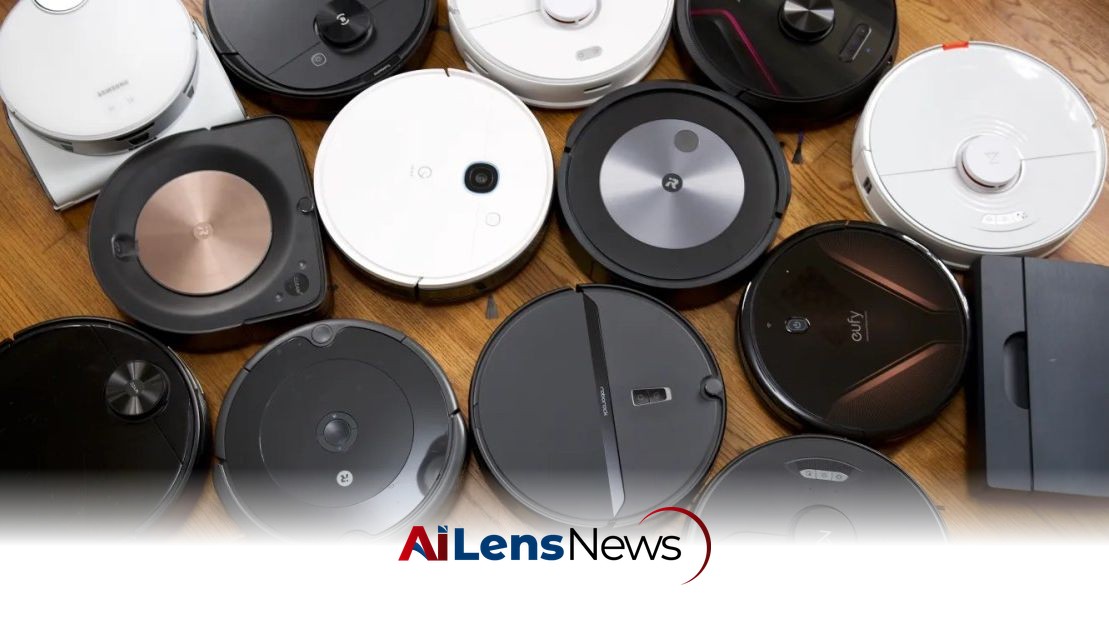


The FCC's recent ban on foreign-made robot vacuums aims to enhance security but may lead to fewer choices and higher prices for consumers.
Washington DC, United States Jul 31, 2026 ALN: No other gadget knows as much about your home as a robot vacuum. These devices are equipped with advanced sensors and artificial intelligence, allowing them to map your living space, learn your routines, and even navigate around obstacles. Many modern robot vacuums now come with integrated cameras and microphones, which enable them to gather extensive data about the environment in which they operate. As artificial intelligence continues to improve, these machines are becoming increasingly adept at interpreting their surroundings, which raises significant privacy and security risks. The implications of such devices extend beyond mere convenience, prompting critical questions about how data is collected, stored, and utilized.
In light of these concerns, the Federal Communications Commission (FCC) recently implemented a ban on foreign-made mobile robots, including robot vacuums, citing 'unacceptable risks to the national security of the United States or the safety and security of United States persons.' This decision reflects a growing trend among regulatory bodies to prioritize national security over consumer choice and innovation. The ban means that no new robot vacuums from major companies can enter the U.S. market unless they are manufactured domestically. However, the reality is that no major manufacturers currently produce robot vacuums in the United States, which effectively limits consumer options.
This ban means Americans will see fewer new models, slower innovation, and more expensive robot vacuums.
While the intention behind the FCC's ban may be to enhance security, the approach taken raises questions about its efficacy. Cybersecurity and manufacturing are not inherently the same; a device's country of origin does not automatically determine its security features. If the goal is to ensure safer robot vacuums—and by extension, all types of autonomous robots—what is truly needed are stringent security standards. These standards could include measures such as encrypted map storage, regular security audits, vulnerability disclosures, and clear data retention policies. Such protocols would help ensure that consumer data is safeguarded and that these devices do not inadvertently become tools for surveillance or data breaches.
Instead of enhancing security, this ban is likely to result in fewer new models, slower innovation, and higher prices for robot vacuums. As a consequence, consumers may find themselves with less effective products than those currently available. The implications of this policy extend beyond mere inconvenience; it has the potential to stifle a rapidly evolving industry that has seen significant advancements over recent years. The robot vacuum market has been characterized by fierce competition, particularly from foreign manufacturers, which has driven innovations that enhance user experience and functionality.
The FCC's ban mirrors similar restrictions it has placed on Wi-Fi routers and drones in recent months. Interestingly, the commission has already granted several waivers to router companies that do not appear to be moving their manufacturing to the U.S., raising questions about the consistent enforcement of the new rules. This inconsistency could lead to a patchwork of compliance that undermines the very goals the FCC aims to achieve, creating disparities in how different sectors are regulated.
From a practical standpoint, the ban does not improve security for the millions of robot vacuums already in American homes, nor does it affect any currently sold models. If these devices are indeed a risk, as there is evidence to suggest they can be, then why leave the largest source of that risk—existing foreign-made devices—untouched? This inconsistency raises further concerns about the effectiveness of the ban and whether it truly addresses the root of the security issues at hand.
On a more optimistic note, the ban could potentially spur a revival of American manufacturing. Mehul Nariyawala, president and co-founder of Matic, the only robot vacuum currently assembled in the U.S. (albeit with a significant number of foreign parts), argues that domestic manufacturing could facilitate better oversight and accountability in ensuring that there are no hardware backdoors in these devices. This perspective highlights the potential for a shift in the manufacturing landscape, but it also underscores the complexities of achieving true independence from foreign supply chains.
However, even if Nariyawala's perspective holds merit, the transition to a more robust domestic manufacturing base will take years. Currently, Matic relies heavily on imported components, and its price is set to increase to $1,495 in September, illustrating the challenges American manufacturers face in competing with established foreign brands that have optimized their production processes over years of experience. The disparity in pricing underscores the difficulty of scaling up domestic production to meet consumer demands while remaining cost-competitive.
Chinese manufacturers, in particular, have significantly influenced the robot vacuum industry over the past decade. Initially entering the market as fast followers, they have since evolved into key players, driving innovation through fierce competition. Advancements such as improved navigation systems, enhanced obstacle avoidance, self-emptying docks, and superior mopping capabilities have made robot vacuums not only more efficient but also more appealing to consumers. The dynamic nature of innovation in this sector means that any stagnation caused by regulatory barriers could have long-lasting consequences for consumer choice and technological advancement.
In summary, while the FCC's ban on foreign-made robot vacuums aims to address legitimate security concerns, it raises significant questions about its effectiveness and broader market implications. The potential for diminished innovation and increased costs for consumers could overshadow any perceived benefits in terms of security. As the landscape of technology continues to evolve, it will be crucial for regulators to strike a balance between safeguarding national interests and fostering an environment that encourages innovation and competition. The challenge lies in developing comprehensive strategies that not only protect consumers but also promote a thriving tech ecosystem that benefits everyone.
To learn more about the latest developments in Software & Platforms, stay updated with our exclusive reports and analyses on AiLensNews.

