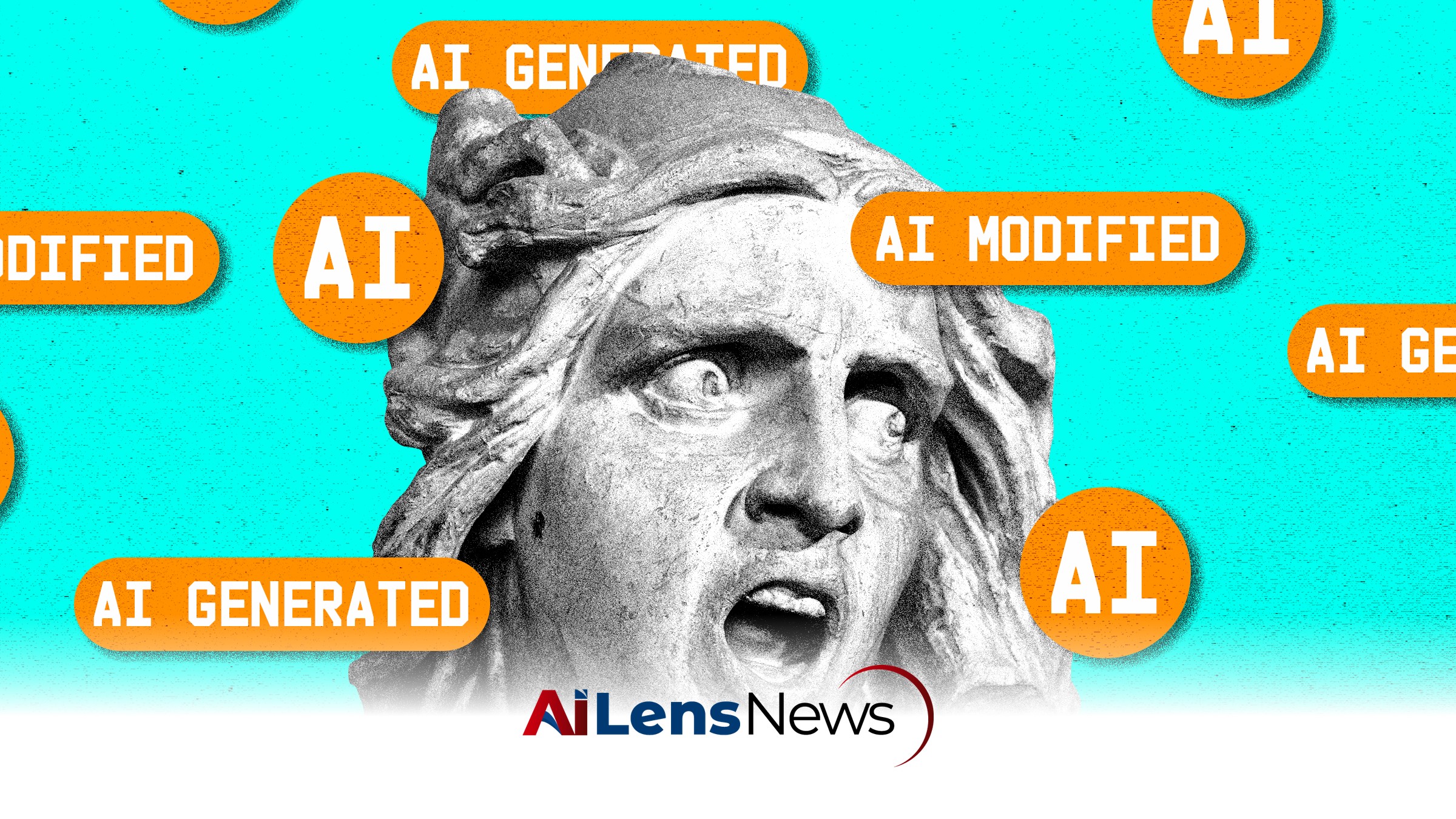


The EU's new rules mandate transparency in AI interactions, raising concerns about potential 'disclosure fatigue' among users.
Washington DC, United States Aug 2, 2026 ALN: The European Union (EU) is poised to enact a set of groundbreaking regulations aimed at enhancing transparency in the interaction between individuals and artificial intelligence (AI) technologies. These regulations mandate that users be informed whenever they are engaging with AI systems or viewing content that has been generated or altered by AI. This initiative is a proactive measure intended to bolster accountability in the rapidly evolving digital landscape, where AI technologies increasingly permeate everyday life.
As AI continues to make significant advancements, its applications have expanded across a multitude of sectors, including healthcare, finance, education, and entertainment. The integration of AI-driven tools such as virtual assistants, recommendation algorithms, and automated customer service representatives has fundamentally transformed how individuals interact with technology. For instance, in healthcare, AI is being utilized for diagnostics and patient management, while in finance, algorithms are employed for risk assessment and fraud detection. As these systems become more sophisticated, the potential for misuse or misunderstanding also escalates, making the EU's initiative to mandate disclosure a crucial step in protecting user rights and promoting ethical AI practices.
The push for transparency in AI interactions is rooted in a broader societal context that recognizes the profound implications of AI on daily life. As AI technologies become more embedded in routine tasks—from online shopping to social media interactions—users are often left unaware of the underlying systems that influence their decisions and experiences. By ensuring that users are informed about when they are interacting with AI, the EU aims to foster a more informed public, enabling individuals to make better decisions regarding their engagement with technology.
However, the implementation of these regulations is not without its challenges. Critics have raised concerns about the potential for 'disclosure fatigue.' The idea is that if users are constantly bombarded with notifications regarding AI interactions, they may become overwhelmed and desensitized to the information, ultimately undermining the regulations' intent. This phenomenon has been observed in various digital communication contexts, where excessive alerts can lead to users ignoring critical notifications altogether. Therefore, finding a balance between necessary disclosures and maintaining a positive user experience will be a significant challenge for regulators and businesses alike.
To comply with the new regulations, companies that utilize AI technologies will need to reevaluate their operational frameworks. This could involve integrating new software solutions designed to track and disclose AI interactions effectively. Additionally, businesses may need to redesign user interfaces to include clear and intuitive notifications regarding AI involvement. Training staff to understand these changes and communicate them effectively to users will also be essential. The financial implications for businesses could be substantial; compliance may require significant investment in new technologies and processes, which could disproportionately affect smaller companies with fewer resources.
The EU's regulatory approach is part of a larger international effort to establish ethical guidelines for AI technology. By mandating transparency, the EU aims to build trust among users and promote responsible AI development. This initiative aligns with global trends, as other regions are also exploring regulatory frameworks to govern AI's impact on society. For example, in the United States, various legislative proposals are under consideration to address the challenges posed by AI, while countries like China have implemented their own stringent frameworks to manage AI technologies. The convergence of these regulatory efforts highlights a global recognition of the necessity for ethical standards in AI development, as governments grapple with the implications of rapidly advancing technologies.
As these new regulations come into effect, the response from businesses and technology providers will be closely observed. Companies will need to implement systems that ensure compliance while also striving to maintain user engagement and satisfaction. This may lead to innovative approaches in how businesses communicate with their users, potentially resulting in more intuitive interfaces that seamlessly integrate AI disclosures without overwhelming the user. Such innovations could not only enhance user experience but also demonstrate a commitment to ethical practices in AI deployment.
Moreover, the societal implications of these regulations could be far-reaching. By prioritizing transparency in AI interactions, the EU aims to empower individuals with knowledge about the technologies they engage with. This empowerment could foster a more informed public discourse around AI, allowing citizens to better understand both the benefits and risks associated with these technologies. As awareness of AI's presence and influence in everyday life increases, individuals may begin to demand greater accountability and ethical considerations from the companies that develop and deploy these technologies.
In conclusion, the EU's new regulations represent a pivotal moment in the evolving relationship between technology and society. As AI continues to shape various aspects of our lives, the emphasis on transparency will be crucial in navigating the challenges and opportunities that lie ahead. The success of these regulations hinges not only on their effective implementation but also on the willingness of businesses to adapt and prioritize ethical considerations in their AI practices. As the digital landscape evolves, maintaining an ongoing dialogue about the role of AI in society will be essential to ensure that technology serves the public good while respecting individual rights. The implications of these regulations will likely resonate beyond the EU, influencing global standards and practices in AI governance.
To learn more about the latest developments in Technology Policy & Regulation, stay updated with our exclusive reports and analyses on AiLensNews.

