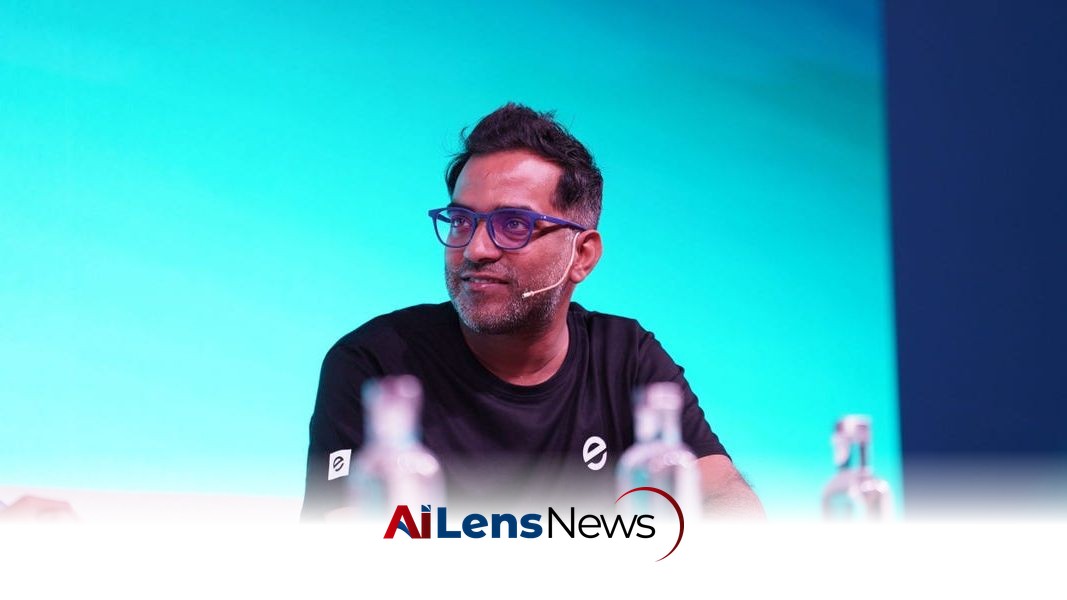


Join Mukund Jha, CEO of Emergent, as he explores the transformative effects of vibe coding on the tech industry and job market.
Washington DC, United States Jul 14, 2026 ALN: As artificial intelligence (AI) continues to advance in coding capabilities, a new wave of companies is emerging, driven by innovative approaches like vibe coding. This trend is not only reshaping the tech landscape but also raising questions about the future of software engineering jobs. The advent of AI in programming has led to significant changes in how software is developed, with vibe coding at the forefront of this transformation.
Vibe coding is a term that encapsulates a new methodology in software development, where AI assists in the coding process, making it more intuitive, efficient, and creative. Unlike traditional coding, which often requires a deep understanding of programming languages and syntax, vibe coding allows developers to communicate their intentions in a more natural manner. This shift is reminiscent of the early days of programming, where the focus was on problem-solving rather than on the specific language used. By allowing developers to express their ideas in a more fluid and conversational manner, vibe coding aims to bridge the gap between technical expertise and creative expression.
On Wednesday at 11 a.m. ET, Mukund Jha, the CEO and co-founder of vibe-coding startup Emergent, will join Business Insider Live to discuss the implications of AI tools in coding and how they influence hiring practices in the tech sector. Jha's insights are particularly relevant as the tech industry grapples with the implications of AI on the workforce. His experience in leading Emergent, which has quickly gained traction in the tech community, positions him as a key figure in this evolving narrative.
Emergent, which launched in 2025, has quickly gained traction, raising $100 million by January 2026. The company exemplifies the rapid growth of startups focused on vibe coding, a method that leverages AI to enhance coding efficiency and creativity. This funding underscores the belief among investors that vibe coding represents a significant shift in the software development paradigm, one that could redefine how applications are built and maintained. The financial backing also highlights a growing confidence in the viability of AI-driven methodologies to solve complex programming challenges.
The rise of vibe coding is not just a trend; it reflects broader changes in the tech industry. As companies increasingly adopt AI-driven tools, traditional software engineering roles are evolving. The fear that AI might render traditional software giants obsolete is palpable, yet it also presents opportunities for innovation and growth. Vibe-coding companies are attracting significant investments and witnessing skyrocketing valuations, indicating a robust market interest in this new approach to coding. This influx of capital is likely to drive competition and innovation, pushing existing companies to adapt or risk falling behind.
However, this shift raises critical questions: What does the rise of AI-driven coding mean for software engineers? How will it affect the companies they work for? As coding becomes more accessible through AI, there may be a decrease in demand for entry-level positions that require basic coding skills. Conversely, there may be an increased demand for software engineers who can work alongside AI, focusing on higher-level design, architecture, and problem-solving. This evolution may necessitate a rethinking of career pathways within software engineering, potentially leading to new roles that emphasize collaboration with AI systems.
During the live session, Jha will share insights into Emergent's exponential growth and the qualities he seeks when hiring software engineers. He will also elaborate on how vibe coding is transforming the industry and what it means for the future of tech jobs. The qualities that Jha emphasizes may include adaptability, creativity, and a willingness to learn, as these traits will be essential in a rapidly changing technological landscape. As the industry shifts, the ability to embrace change and continuously develop new skills will be paramount for success.
Moreover, the conversation will likely touch upon the ethical implications of AI in coding. As AI systems become more integrated into the development process, questions around accountability, bias, and transparency arise. How do companies ensure that the AI tools they use are fair and do not perpetuate existing biases in coding? These are pressing issues that the industry must address as it moves forward. The ethical considerations surrounding AI in coding not only affect how software is developed but also have broader societal implications, particularly concerning job displacement and the digital divide.
Viewers are encouraged to participate in the conversation by asking questions and sharing their thoughts on vibe coding. This interactive session aims to provide clarity on the evolving landscape of coding and the role of AI in shaping it. Engaging with industry leaders like Jha can offer valuable perspectives on how to navigate this new terrain. The dialogue surrounding vibe coding is crucial for understanding how these changes will impact developers, companies, and the tech industry at large.
In addition to the immediate implications for software engineers, the rise of vibe coding could have broader economic impacts. As companies streamline their development processes and reduce the time it takes to bring products to market, we may see an acceleration in innovation across various sectors. This could lead to the creation of new markets and job opportunities, albeit in different forms than those that currently exist. The potential for increased productivity and faster time-to-market could also encourage entrepreneurship, as individuals may feel empowered to launch new ventures with the support of AI-driven tools.
Furthermore, the educational landscape may also need to adapt to these changes. As the skills required in the tech industry evolve, educational institutions and training programs may need to re-evaluate their curricula. Emphasizing skills that complement AI tools, such as critical thinking and advanced problem-solving, could better prepare future software engineers for the job market. Educational institutions may also need to foster partnerships with tech companies to ensure that their programs remain relevant and aligned with industry needs.
As we look to the future, it is clear that AI and vibe coding will play a significant role in shaping the tech industry. The ongoing dialogue about these changes is essential for understanding their full implications. Don't miss this opportunity to gain valuable insights from a leader in the tech startup space and engage in a discussion about the future of coding. The conversation about vibe coding is not just about technology; it is about the future of work, the nature of creativity, and the evolving relationship between humans and machines. As we navigate this new landscape, it is crucial to remain vigilant about the challenges and opportunities that AI presents, ensuring that the transition to AI-enhanced coding is both equitable and beneficial for all stakeholders involved.
To learn more about the latest developments in Artificial Intelligence, stay updated with our exclusive reports and analyses on AiLensNews.

