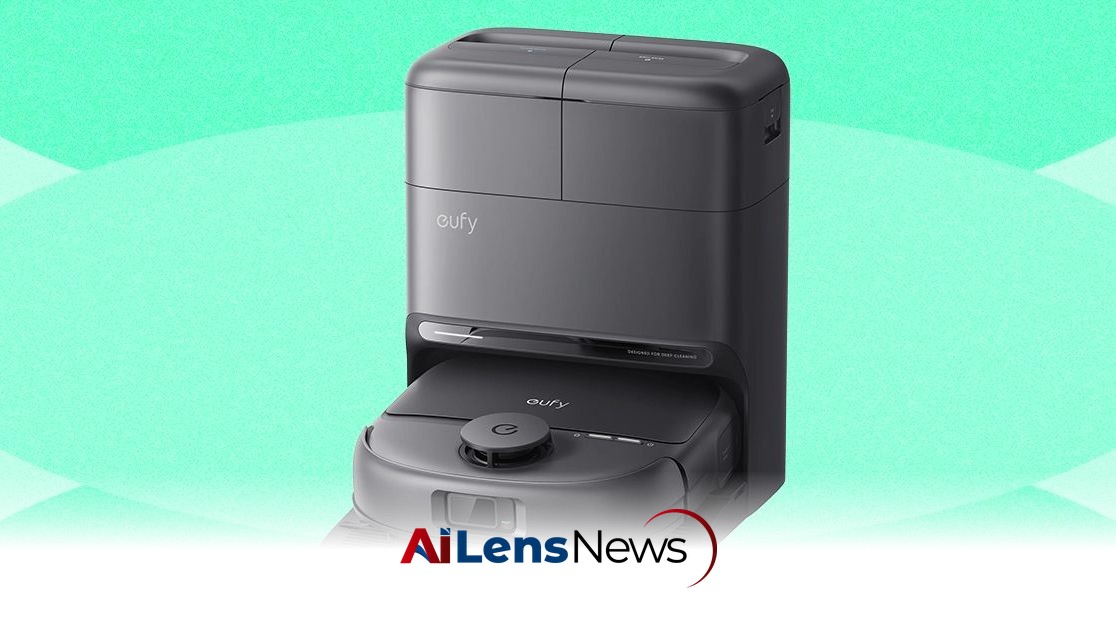


Discover the best robot vacuums of 2026, including top models from Shark and Eufy, designed to make cleaning effortless and efficient.
Washington DC, United States Jul 31, 2026 ALN: I've recently introduced a few friends to the power of a great robot vacuum. One of my friends calls hers a marriage saver, while the other was both thrilled and horrified by how many stains the vacuum’s AI found on her floors. Personally, my robot vacuums keep me from wanting to set the litter box on fire, since my cat is on a mission to create his own navigational trail of litter through my home.
The best robot vacuums these days aren’t just vacuuming your floors, nor are they blindly bumping around your house like they used to. These gadgets are now equipped with advanced features such as mopping, scrubbing away stains, lifting themselves off obstacles, and even reminding you to clean the dirtier areas in your home more frequently. A good robot vacuum can cost a pretty penny, but it doesn’t have to, depending on what you’re looking for. Curious about what’s the best model for you? I’ve been testing every new robot vacuum I can in my three-story home filled with three adults, a preschooler, and a cat who’s on a mission to get litter all over the house.
Here are the best robot vacuum cleaners I’ve tried this year, alongside everything we really liked from recent years. Looking for more vacuum ideas? Don't miss our guides to the Best Dyson Vacuums, Best Cordless Vacuums, Best Vacuums for Pet Hair, Best Carpet Cleaners, and Best Vacuums.
Updated July 2026: I’ve added details about the new FCC ban that will affect future robot vacuums.
I've been testing the latest models from our favorite cleaning brands. Here are the top three I’d buy right now.
A robot vacuum is an automated vacuum, usually shaped like a round disc, that moves around your house to vacuum (and mop, as many models these days include mopping) on your behalf. You might’ve heard some refer to these devices as “Roombas,” which is the brand that made the concept popular, but today just about every cleaning brand—from high-end Dyson to affordable Bissell—makes some kind of robot vacuum. They come with either a charging station or a larger docking station that can self-empty.
You can, especially since there are so many mopping models now to better clean hard flooring. You can use these devices on anything from hardwood to luxury vinyl plank (LVP) and tile, though I wouldn't recommend leaving smaller rugs out for these autonomous gadgets to get stuck on. Large, set rugs are fine, but bathroom and kitchen mats or any thin, easily moved rugs should be cleared out of the way and put in the wash instead of vacuumed by your robot vac.
There are a few things most robot vacuums will need to work properly:
Taking good care of your robot vacuum will help it last. Here’s the debris-removal process you should follow for each robot vacuum style.
The Federal Communications Commission, or FCC, announced that foreign-produced advanced robotic devices will now be included on the FCC’s Covered List. This list includes communications equipment and services that are deemed to pose an unacceptable risk to the national security of the United States, and as of this week, that includes robot vacuums (and similar devices like robotic pool cleaners and lawn mowers).
Overall, robot vacuums themselves aren’t banned, but new models from companies based outside the US won’t get FCC approval and can’t be sold in the US. You don’t need to stop using any robot vacuum you have, but if you’re in the market for a new one, it’s better to shop sooner before availability starts to decline—and prices are likely to rise as supply falls.
I’ve been testing the latest models from our favorite cleaning brands. Here are the top three I’d buy right now.
As we delve deeper into the features and specifications of robot vacuums, it’s important to understand their evolution over the years. The first generation of robot vacuums primarily focused on basic suction capabilities and were often criticized for their lack of efficiency and intelligence. However, as technology advanced, manufacturers began integrating AI and machine learning algorithms that allow these devices to learn the layout of a home, adapt to different surfaces, and optimize their cleaning routes.
Modern robot vacuums are equipped with various sensors, including infrared and cliff sensors, which help them navigate around obstacles and avoid falls. Some models even come with advanced mapping technology that allows them to create detailed maps of your home, which can be accessed via a smartphone app. This feature not only enhances cleaning efficiency but also allows users to set virtual boundaries, ensuring that the vacuum does not enter certain areas, such as pet zones or children's play areas.
In addition to their cleaning capabilities, many robot vacuums now feature smart home integration. This means they can be controlled via voice commands through platforms like Amazon Alexa or Google Assistant. This level of convenience is particularly appealing to busy households where multitasking is essential.
Moreover, the trend towards more eco-friendly products has led manufacturers to consider sustainability in their designs. Many new models are being built with recyclable materials, and energy-efficient motors are becoming standard. This shift not only reduces the environmental impact of these devices but also appeals to a growing demographic of environmentally conscious consumers.
As we look forward to the future of cleaning technology, it is clear that robot vacuums will continue to evolve. The integration of more sophisticated AI, better battery technology, and enhanced connectivity options will likely lead to even smarter and more efficient cleaning devices. However, the recent FCC regulations may pose challenges for international manufacturers looking to enter the US market, potentially limiting consumer choices and driving up prices.
In conclusion, robot vacuums have come a long way from their humble beginnings. They are now an essential tool for many households, offering convenience and efficiency in maintaining clean living spaces. As technology continues to advance, consumers can expect even more innovative features and capabilities in the robot vacuums of tomorrow.
To learn more about the latest developments in Gadgets & Devices, stay updated with our exclusive reports and analyses on AiLensNews.

