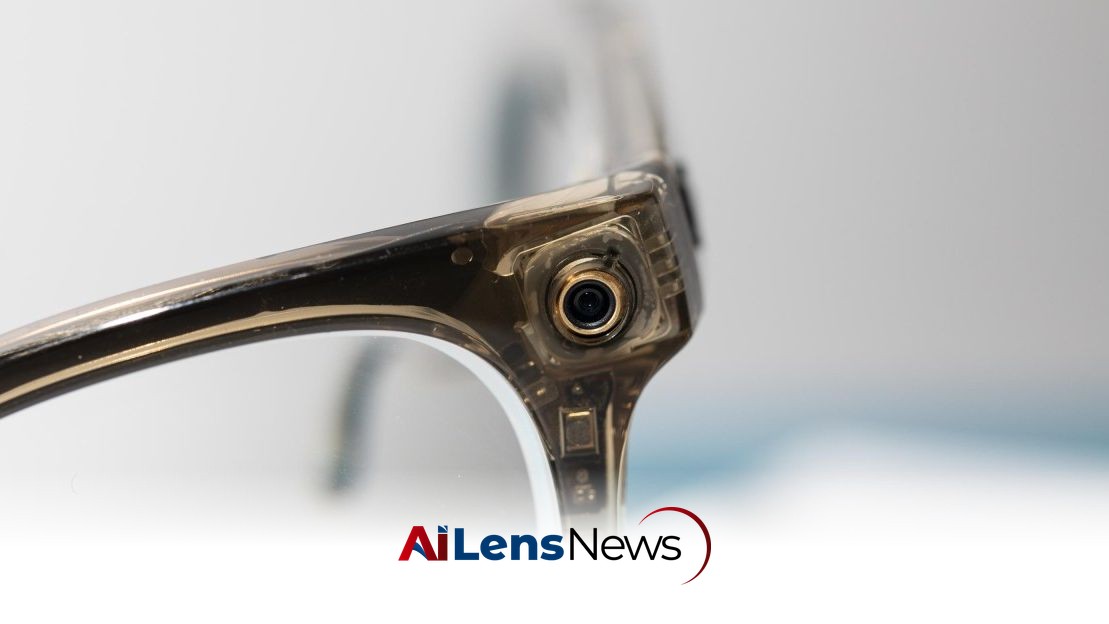


Apple plans to unveil its smart glasses at WWDC next June, focusing on privacy to distinguish them from competitors like Meta.
Washington DC, United States Jul 27, 2026 ALN: Apple is gearing up to reveal its first smart glasses at the upcoming WWDC in June 2027, as reported by Mark Gurman. The company is expected to emphasize privacy features to set its product apart from competitors, particularly Meta, whose AI glasses have faced scrutiny over privacy concerns. This strategic move comes as the tech industry increasingly grapples with the implications of wearable technology in everyday life, particularly regarding user privacy and data security.
The delay in Apple's launch may be attributed to its efforts to refine privacy messaging and features. Smart glasses have sparked controversy, especially regarding their capability to discreetly capture photos and videos. The potential for misuse of such technology has raised alarms among privacy advocates and consumers alike. Gurman highlights that Apple has dedicated over a decade to establishing privacy as a core aspect of its brand identity. This commitment is not just a marketing strategy; it reflects a broader industry trend where consumers are becoming more discerning about how their data is collected and used.
The company has spent more than a decade making privacy one of its defining product messages. Simply entering the same category as Meta risks undermining that reputation, regardless of how Apple’s approach differs.
To maintain its reputation, Apple is likely to implement on-device processing and avoid controversial features such as facial recognition or continuous recording, which are associated with Meta's devices. The backlash against Meta's privacy practices has been significant, with many consumers expressing concern about their personal data being harvested without explicit consent. By steering clear of these contentious features, Apple aims to position its smart glasses as a more ethical alternative in the burgeoning wearables market.
Furthermore, the design and functionality of Apple's smart glasses are expected to reflect the company’s overarching philosophy of user-centric technology. Reports suggest that Apple might eventually offer a version of its smart glasses without a camera or with a camera designed solely for sensing, similar to the anticipated features of its AI-enabled AirPods. This could provide users with a sense of security, knowing that their visual data is not being recorded or transmitted without their knowledge.
As the tech landscape evolves, Apple's commitment to privacy may play a crucial role in shaping consumer perceptions and acceptance of its smart glasses. The company has consistently positioned itself as a champion of user privacy, contrasting sharply with its competitors. This strategy is particularly important in an era where consumers are increasingly aware of the implications of their digital footprints. The introduction of smart glasses, a category that inherently raises privacy concerns, places Apple in a unique position to leverage its established reputation.
The implications of Apple's approach to privacy in its smart glasses extend beyond consumer perception. They could also influence regulatory scrutiny and industry standards. As governments around the world begin to implement stricter data protection laws, companies like Apple may find themselves at the forefront of compliance efforts. By proactively addressing privacy concerns, Apple not only safeguards its brand but also sets a precedent for responsible innovation in the tech industry.
Moreover, the competitive landscape for smart glasses is rapidly evolving, with various tech giants, including Google and Microsoft, also exploring augmented reality (AR) and virtual reality (VR) applications. These companies have faced similar challenges regarding user privacy, particularly in how their devices capture and utilize data. Apple's emphasis on privacy could differentiate its product in a crowded market, attracting consumers who prioritize security and ethical considerations in their purchasing decisions.
In addition to privacy features, Apple is likely to integrate its smart glasses with its existing ecosystem of devices and services. This could enhance the user experience by allowing seamless connectivity with iPhones, iPads, and Macs. Such integration could enable functionalities like notifications, navigation, and augmented reality applications, all while maintaining a strong focus on user privacy. This holistic approach could further cement Apple's position as a leader in the wearables market.
As the launch date approaches, industry analysts will be closely watching how Apple communicates its privacy features to potential consumers. The marketing narrative surrounding the smart glasses will be crucial in framing public perception. Apple has a history of successful product launches, often characterized by a strong emphasis on storytelling and user experience. How the company chooses to present its privacy features could significantly impact consumer trust and adoption rates.
In conclusion, Apple's strategy to differentiate its smart glasses through privacy features reflects a broader trend in the tech industry where consumer concerns about data security are becoming paramount. As the company prepares for its product launch, it faces the dual challenge of innovating in a competitive market while staying true to its commitment to user privacy. The outcome of this endeavor could have lasting implications not only for Apple's brand but also for the future of wearable technology as a whole.
In recent years, the conversation surrounding privacy and technology has intensified, with consumers increasingly demanding transparency and accountability from tech companies. This shift has prompted many organizations to reassess their data practices, with a focus on user consent and data minimization. Apple’s long-standing approach to privacy, which emphasizes user control and data protection, aligns well with these evolving consumer expectations.
Furthermore, the rise of smart glasses and similar wearable technologies has sparked discussions about the ethical implications of constant connectivity and surveillance. With devices that can potentially record and transmit data in real-time, the line between personal privacy and technological advancement becomes increasingly blurred. As a result, companies like Apple are under pressure to not only innovate but also to ensure that their innovations do not infringe upon users' rights or freedoms.
This context further highlights the importance of Apple's forthcoming smart glasses. As the first major entry into this market, the product could set the tone for future developments in wearable technology. If Apple successfully integrates robust privacy features while delivering a compelling user experience, it may not only enhance its competitive edge but also influence industry standards and practices moving forward.
Additionally, the implications of Apple’s privacy-focused approach extend to the broader societal discourse on technology and ethics. By prioritizing user privacy, Apple may encourage other companies to adopt similar practices, fostering a culture of responsibility within the tech industry. This could lead to a more conscientious approach to product development, where privacy is not just an afterthought but a fundamental consideration throughout the design and implementation processes.
As Apple prepares to enter the smart glasses market, stakeholders across the tech landscape will be watching closely. The company's ability to navigate the complexities of privacy, user experience, and technological innovation will not only determine the success of its smart glasses but also shape the future trajectory of wearable technology as a whole. In this rapidly evolving environment, the balance between innovation and ethical responsibility will be paramount, and Apple’s actions could serve as a critical benchmark for the industry.
To learn more about the latest developments in Software & Platforms, stay updated with our exclusive reports and analyses on AiLensNews.

