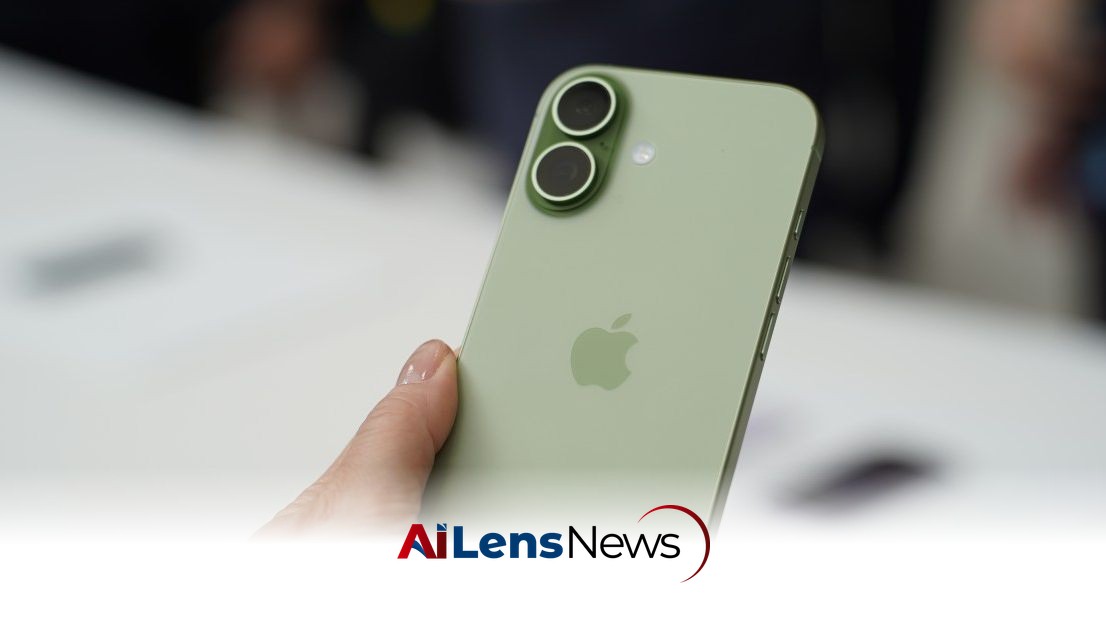


Apple's iPhone 18 will not debut this fall, with Pro models launching instead. The base model and new iPhone Air are expected in early 2027.
Washington DC, United States Aug 13, 2026 ALN: In a significant development for Apple enthusiasts and the tech industry at large, the launch of the much-anticipated iPhone 18 has been officially delayed, with the base model now expected to debut in early 2027. This news comes from a report by Economic Daily News, which was highlighted by MacRumors, indicating that Pegatron, a key supplier for Apple, confirmed the timeline during a recent earnings call. While the high-end iPhone 18 Pro models are still set to be released this fall, the base model will not be available until after the new year, reflecting a broader trend of delays and supply chain challenges affecting the tech sector.
The implications of this delay are multifaceted. Firstly, Apple has established a reputation for its annual product refresh cycles, particularly with the iPhone, which is one of the company's flagship products. The iPhone 18's postponement could signal a shift in how Apple is managing its product lineup and responding to market conditions. Analysts had previously speculated about potential delays, with noted industry analyst Ming-Chi Kuo and reports from The Information suggesting that Apple might focus its efforts on launching only its premium models in the fall of 2026. This approach may be a strategic decision to maximize profit margins amid ongoing economic uncertainties and supply chain disruptions.
In addition to the iPhone 18 Pro, the report indicates that Apple is also planning to introduce a new “Ultra” foldable device this fall. This aligns with Apple's ongoing efforts to diversify its product offerings and compete in the increasingly competitive smartphone market, where foldable technology is gaining traction. The introduction of such a device could represent a significant shift in Apple's design philosophy and target demographic, appealing to consumers looking for innovative features and flexibility in their devices.
One of the major factors contributing to the delays in product launches is the ongoing global shortage of semiconductors and other critical components. Pegatron executives noted that memory and chip shortages are causing peak shipping seasons to shift. This has forced companies like Apple to reassess their production schedules and prioritize higher-priced models that yield larger profit margins. The semiconductor shortage, which has plagued various industries since the onset of the COVID-19 pandemic, continues to impact the availability of key components necessary for manufacturing smartphones and other electronic devices.
The decision to delay the base iPhone 18 model could also have implications for Apple's sales strategy. By focusing on the Pro models and potentially higher-margin products, Apple may be attempting to steer its customer base toward premium offerings, which could help to offset revenue losses that might occur due to the absence of the standard iPhone 18. However, this strategy could also risk alienating budget-conscious consumers who may be waiting for the base model to upgrade their devices.
Furthermore, the rumored iPhone 18e and a new iPhone Air are expected to launch around the same time as the base iPhone 18, which could provide some relief for consumers looking for more affordable options. These models may cater to a broader audience and help Apple maintain its competitive edge in the smartphone market, particularly against rivals that offer lower-cost alternatives.
As Apple navigates these challenges, it is also worth considering the broader context of the smartphone market. The industry has seen a shift in consumer preferences, with many users holding onto their devices for longer periods due to economic uncertainties and the rising costs associated with upgrading. This trend may further complicate Apple's launch strategy, as the company needs to balance the introduction of new products with the realities of consumer spending habits.
In summary, while the launch of the iPhone 18 Pro models remains on schedule for this fall, the delay of the base iPhone 18 to early 2027 highlights the ongoing challenges facing Apple and the broader tech industry. The semiconductor shortage, shifting consumer preferences, and a competitive market landscape all play critical roles in shaping Apple's product strategy. As the company continues to innovate and adapt, it will be essential to monitor how these factors influence future product launches and overall market performance.
This delay serves as a reminder of the complexities involved in tech manufacturing and product launches, emphasizing the need for companies like Apple to remain agile and responsive to both market demands and supply chain realities. As consumers await the new offerings, the anticipation surrounding Apple's forthcoming devices will undoubtedly continue to build, setting the stage for what could be a pivotal moment in the company's history.
Moreover, the implications of the delay extend beyond just Apple's immediate sales strategies and product offerings. The tech industry as a whole is experiencing a transformative period, with companies reevaluating their supply chains and production capabilities in light of the ongoing semiconductor crisis. This crisis has illuminated vulnerabilities in global supply chains, compelling firms to consider diversifying their supplier networks and investing in domestic manufacturing capabilities to mitigate risks associated with future disruptions.
The semiconductor shortage has not only affected Apple but has also had a widespread impact on various sectors, including automotive, consumer electronics, and industrial applications. As a result, companies are increasingly looking for ways to secure their supply chains and ensure a more stable flow of critical components. This may lead to a shift in how technology companies operate, with a greater emphasis on sustainability and resilience in their supply chains.
In addition to supply chain considerations, the competitive landscape of the smartphone market is evolving rapidly. With the rise of new players and the introduction of innovative technologies, established brands like Apple must continuously adapt to maintain their market share. The focus on premium models and foldable devices could be seen as a response to increasing competition from brands that are aggressively pursuing market share with budget-friendly options and cutting-edge technology.
As Apple prepares for the launch of the iPhone 18 Pro models and the anticipated foldable device, the company will need to effectively communicate its strategy to consumers and stakeholders. Transparency regarding the reasons for delays and the value proposition of premium products will be crucial in managing customer expectations and maintaining brand loyalty.
Furthermore, consumer sentiment plays a significant role in the success of new product launches. With economic uncertainties lingering, consumers may be more cautious about their spending habits. Apple will need to consider how its pricing strategy aligns with consumer expectations and the perceived value of its products. This is especially important in a market where consumers are increasingly seeking value for their investments, particularly in light of rising inflation and economic pressures.
In conclusion, the delay of the iPhone 18 base model to early 2027 is a reflection of the broader challenges facing Apple and the tech industry. As the company navigates supply chain disruptions, shifting consumer preferences, and an increasingly competitive landscape, it will be crucial for Apple to remain agile and responsive. The upcoming product launches will be watched closely by consumers and analysts alike, as they may set the tone for Apple's future direction and its ability to adapt to a rapidly changing market environment.
To learn more about the latest developments in Software & Platforms, stay updated with our exclusive reports and analyses on AiLensNews.

