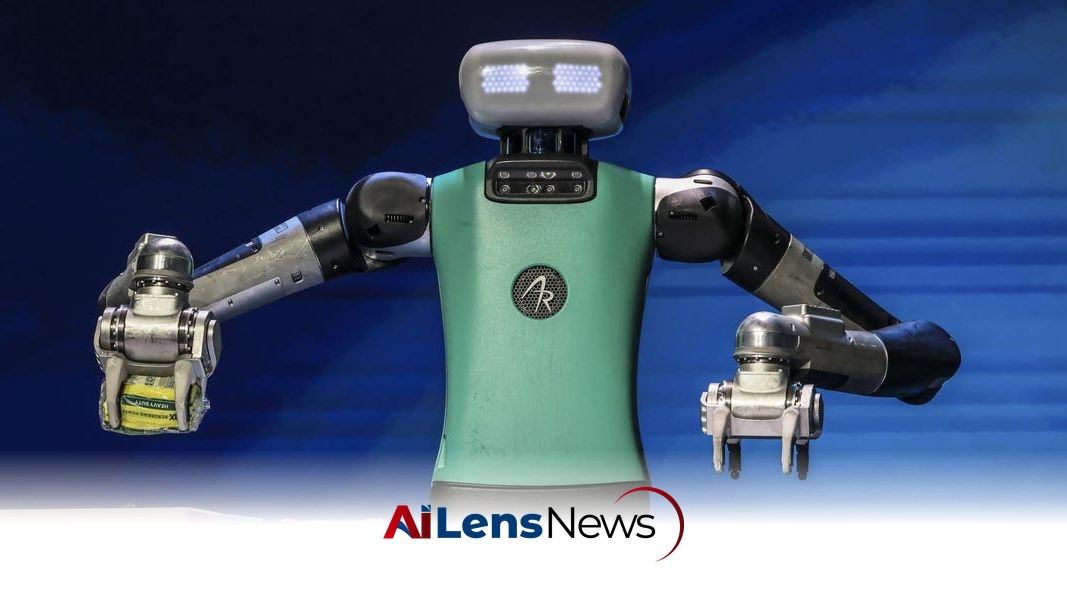


Agility Robotics, known for its humanoid robots, opens a new facility in Silicon Valley while steering clear of escalating pay wars for AI talent.
Washington DC, United States Jul 21, 2026 ALN: Agility Robotics, a humanoid-robot startup, is making significant strides in the competitive landscape of robotics and artificial intelligence (AI) by expanding its operations in Silicon Valley. The company recently opened a new office in Fremont, California, which is strategically located to tap into one of the largest pools of technical talent in the world. This move comes at a time when the demand for skilled professionals in AI and robotics has led to intense competition among tech companies, often resulting in exorbitant compensation packages.
Co-founder Jonathan Hurst has articulated a clear stance regarding the recruitment of talent, emphasizing that Agility Robotics does not wish to engage in what he describes as a "bidding war" for employees. In an industry where some top professionals are being offered nine-figure bonuses, Hurst remains focused on attracting individuals who align with the company’s culture and mission rather than those who are primarily motivated by financial incentives. "We're not going to do that because we don't want coin-operated employees," he stated, reflecting a philosophy that values commitment and passion over mere monetary compensation.
The newly opened 60,000-square-foot research and training facility in Fremont is designed to accommodate nearly 200 employees across various sectors, including hardware engineering, AI and machine learning, and customer operations support. This facility will also function as a "robot school," where Agility's humanoid robot, Digit, will be trained to acquire new skills. This innovative approach to training and development highlights Agility's commitment to not only advancing robotics technology but also ensuring that their humanoid robots can adapt to real-world tasks effectively.
Fremont’s location is particularly advantageous for Agility Robotics. Situated approximately 15 miles east of Palo Alto, the new office is close to numerous tech giants and innovative startups in the robotics sector. For instance, Meta's Fremont campus, which houses its hardware research and development team, is just across the street. Additionally, Tesla's expansive facility, where the company is gearing up for the production of its humanoid robot Optimus, is located about 10 miles to the south. This proximity to major players in the industry not only provides Agility with potential collaboration opportunities but also enhances its visibility within the tech community.
The competition for AI talent in Silicon Valley has reached unprecedented levels, with companies offering substantial salary packages to attract top-tier professionals. Reports indicate that leading firms like Meta have extended offers that include nine-figure signing bonuses to lure high-caliber hires. Smaller firms in the AI sector are also providing competitive salaries, often ranging from $300,000 to $400,000 in base pay. Hurst has noted instances where candidates have turned down offers from Agility because they received double the compensation elsewhere. In such cases, he has expressed a willingness to part ways amicably, stating, "Go for it. That's okay," indicating a preference for candidates who genuinely resonate with the company's vision.
Despite the competitive landscape, Agility Robotics is making significant strides in the practical application of humanoid robots. The company is recognized as one of the few robotics startups in the United States that has successfully deployed humanoid robots for sustained work outside of research environments. The flagship robot, Digit, was first deployed for commercial operations in 2024, and since then, it has been utilized in various sectors, including manufacturing, distribution, and logistics. As of now, Digit has accumulated over 65,000 hours of operational work, primarily focusing on tasks such as picking up bins and transporting them to designated locations.
Hurst has emphasized that Agility Robotics is committed to building a sustainable and growing company. He has reiterated that their approach is not merely about crafting a grand narrative but rather about executing a well-thought-out plan that prioritizes real-world applications and business viability. This pragmatic approach is indicative of the company's long-term vision and commitment to advancing robotics technology in a meaningful way.
Looking ahead, Agility Robotics has announced plans to go public through a Special Purpose Acquisition Company (SPAC) later this year. This move is anticipated to provide the company with additional capital to fuel its growth and innovation initiatives. In a recent filing with the Securities and Exchange Commission (SEC), Agility disclosed that it has secured over $300 million in conditional multiyear orders for its next-generation Digit V5. This significant financial backing underscores the confidence that investors have in Agility's technology and its potential impact on the robotics industry.
The implications of Agility Robotics' expansion and strategic hiring practices are multifaceted. By establishing a presence in Silicon Valley, the company not only positions itself at the heart of technological innovation but also enhances its ability to attract top talent without succumbing to the pressures of inflated compensation packages. This could lead to a more cohesive and dedicated workforce that is aligned with the company's mission to revolutionize the robotics landscape.
Furthermore, as Agility continues to deploy humanoid robots in real-world settings, the company is likely to contribute to the broader discourse on the role of robotics in various industries. The successful integration of robots like Digit into operational workflows could pave the way for increased automation, efficiency, and productivity in sectors that have traditionally relied on human labor. This shift may also raise important questions about the future of work, the ethical considerations surrounding automation, and the potential impact on employment in the long term.
In conclusion, Agility Robotics is carving out a niche for itself in the competitive realm of robotics and AI by prioritizing culture fit over financial incentives in talent acquisition, strategically positioning itself in Silicon Valley, and demonstrating the practical applications of humanoid robots in various industries. As the company prepares for its public offering and continues to innovate, it stands at the forefront of a rapidly evolving field that holds significant promise for the future of technology and its intersection with everyday life.
To learn more about the latest developments in Robotics & Automation, stay updated with our exclusive reports and analyses on AiLensNews.

