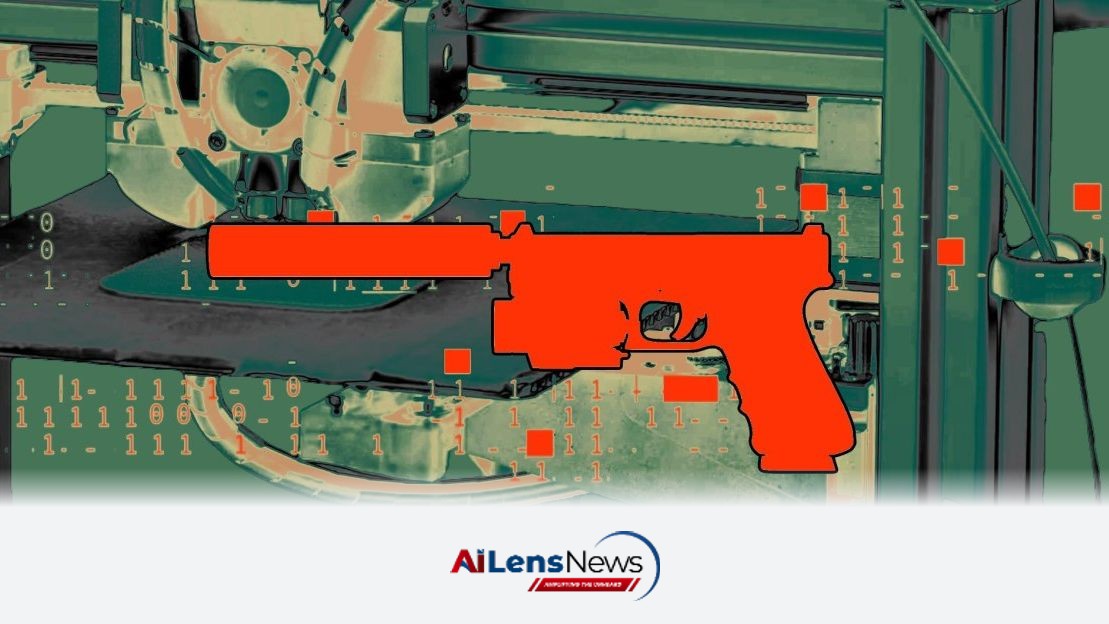



Cody Wilson's 'Hochulization' tool aims to bypass new regulations on 3D-printed firearms, igniting a conflict between gun rights advocates and regulators.
Washington DC, United States Aug 25, 2026 ALN: The ongoing battle over 3D-printed guns has taken a new turn with the introduction of a tool designed to circumvent government regulations aimed at controlling the production of firearms using 3D printers. Cody Wilson, the creator of the world’s first 3D-printed gun, claims that his new tool, dubbed "Hochulization," can effectively thwart software mandated by regulators to block the creation of such weapons.
This development marks a significant escalation in the ongoing conflict between regulators, who are striving to limit the proliferation of ghost guns, and individuals seeking to exploit technological loopholes. Wilson, based in Austin, Texas, has positioned his tool as a form of self-defense against what he perceives as invasive digital surveillance.
The term "Hochulization" is a direct reference to New York Governor Kathy Hochul, who recently championed legislation requiring gun file detection software on new 3D printers. This legislation, which aims to prevent the unregulated production of firearms, has sparked considerable debate about the balance between public safety and technological freedom. Wilson argues that this legislation represents an overreach into the realm of open-source 3D printing. He stated, "New York is trying to reach into the internet and police how open-source 3D printing is done." This sentiment resonates with many advocates of digital rights, who view such regulations as an infringement on personal freedoms and innovation.
Wilson's Hochulization tool is designed to disrupt the straightforward approach that regulators might use to enforce a ban on 3D-printed guns. His company, Defense Distributed, operates DEFCAD, which is known as the world’s largest repository of 3D gun files, hosting over 200,000 designs and components. Each file is identified by a unique hash generated through an algorithm, which regulators could potentially use to flag and prevent the printing of gun files.
However, the Hochulization tool alters these hashes by adding a series of bytes to each file, effectively changing the hash without affecting the functionality of the printed product. Wilson explains, "Hochulization is a de minimis policy to change the hash of every file that gets created and downloaded to where there is never going to be a complete library of hashes." This means that a 3D-printed gun or suppressor would still operate as intended, even if its hash has been modified. The implications of this are significant, as it could lead to a proliferation of untraceable firearms that evade regulatory scrutiny.
Wilson intends to apply the Hochulization process to all files hosted on DEFCAD by default, viewing it as a necessary measure to protect against the growing demand for gun detection software. He plans to make this tool available to DEFCAD users and aims to release it as open-source software, allowing individuals to apply the tool to their own gun files to evade detection. This move could potentially empower users to bypass regulations, raising concerns among lawmakers and law enforcement about the implications for public safety.
As Wilson puts it, "I think all the files in the repository, the 3D files anyway, should be Hochulized. And so that is what we’ll do." He claims that he has already begun implementing this process, which could lead to a significant shift in how 3D-printed firearms are regulated and monitored.
This initiative by Wilson is indicative of a broader resistance to technologies designed to block 3D printing of firearms. While this particular momentum stems from a Second Amendment advocate, it raises questions about the implications for digital rights and the future of 3D printing technology. As the landscape evolves, it remains to be seen how regulators will respond to such innovative workarounds. The emergence of tools like Hochulization could inspire similar efforts in other sectors, where individuals seek to bypass regulations deemed overly restrictive.
The implications of this technology extend beyond the realm of firearms. As 3D printing technology continues to advance, it opens up new possibilities for manufacturing and design, but also presents challenges for regulation and enforcement. The ability to create objects on demand, including potentially harmful items, complicates the regulatory landscape and raises ethical questions about responsibility and accountability.
In conclusion, the introduction of the Hochulization tool not only highlights the ongoing tensions between gun rights advocates and regulatory bodies but also underscores the challenges of enforcing digital regulations in an increasingly complex technological landscape. As society grapples with the implications of 3D printing and the potential for misuse, it becomes essential for regulators to find a balance that protects public safety while respecting individual freedoms. The ongoing developments in this area will likely continue to spark debate and drive innovation, as stakeholders from various perspectives navigate the evolving intersection of technology, law, and personal rights.
To learn more about the latest developments in Software & Platforms, stay updated with our exclusive reports and analyses on AILensNews.

