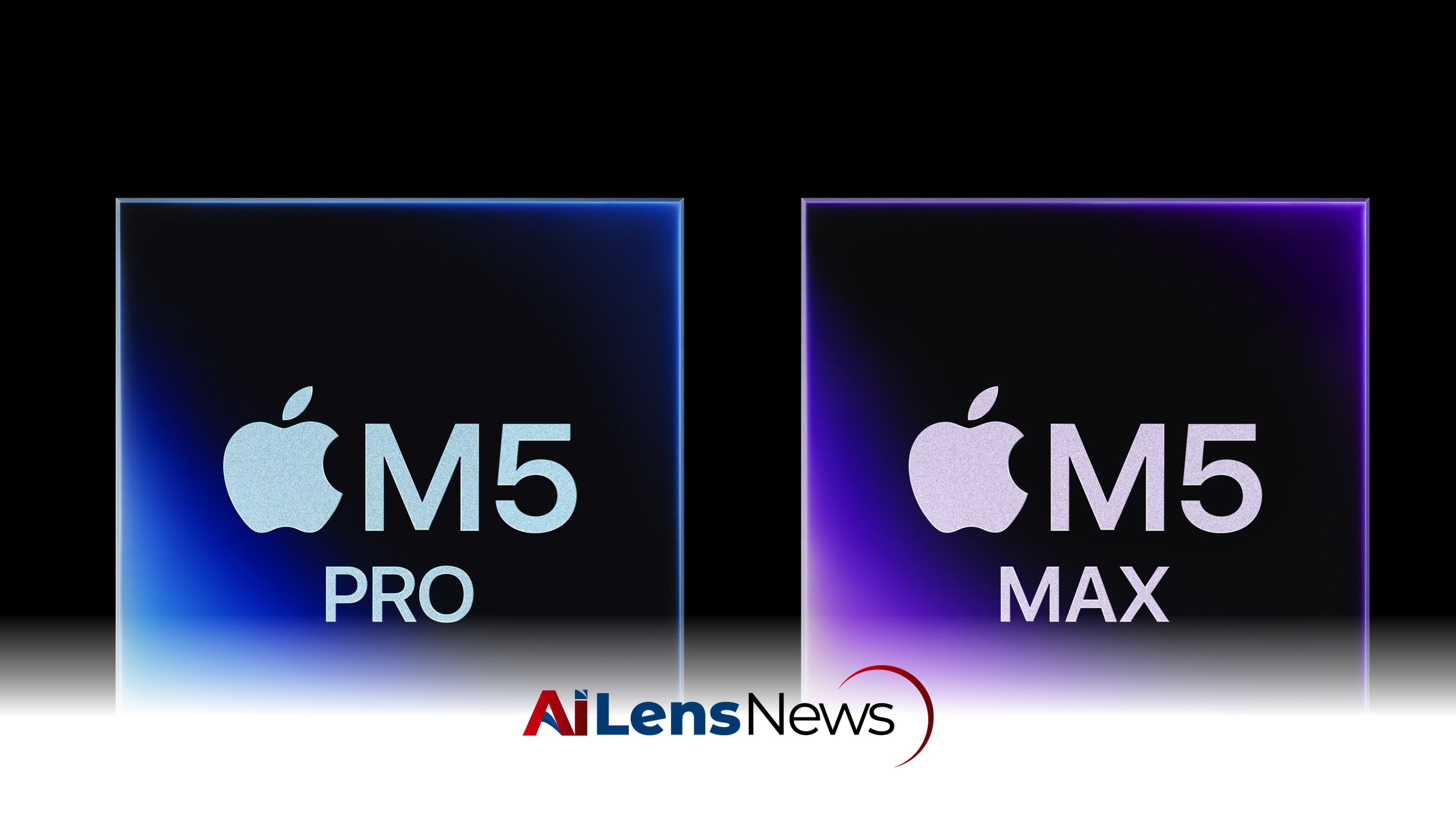


Despite its failure, Apple's self-driving car initiative laid the groundwork for powerful AI chips, leading to advancements in on-device processing.
Washington DC, United States Jul 12, 2026 ALN: Apple’s self-driving car program, often referred to as Project Titan, has been a point of intrigue and speculation since it was first announced. Launched in 2014, the initiative aimed to develop an autonomous vehicle that could potentially redefine transportation. However, despite the initial excitement and ambitious goals, the program has faced numerous challenges, including leadership changes, shifting priorities, and technological hurdles. Although Project Titan has not yet culminated in a commercially available self-driving vehicle, its influence on Apple's technological landscape is undeniable, particularly in the areas of artificial intelligence (AI) and chip innovation.
The vision behind Project Titan was rooted in the belief that self-driving technology could revolutionize personal and public transportation. Apple sought to leverage its expertise in software and hardware design to create a vehicle that would not only be autonomous but also seamlessly integrated with its existing ecosystem of devices and services. This ambition revealed the necessity for robust on-device AI processing capabilities, which ultimately catalyzed the development of the Neural Engine, a critical component of Apple’s hardware architecture.
The journey of Apple’s AI advancements began in earnest with the introduction of the Neural Engine, which first appeared in the iPhone X alongside the A11 Bionic chip. This marked a pivotal moment for Apple, as it began to integrate sophisticated AI functions directly into its devices. The Neural Engine was designed to handle machine learning tasks efficiently, providing the computational power necessary for advanced features. In the initial stages, it was primarily utilized for tasks related to computer vision, including innovative features such as FaceID, which allowed users to unlock their devices using facial recognition technology. This not only enhanced security but also improved user convenience, setting a new standard in biometric authentication.
Furthermore, the introduction of Animoji brought animated emojis to life by mimicking the user’s facial expressions, showcasing the capabilities of the Neural Engine in real-time processing and rendering. Additionally, the Neural Engine played a crucial role in enhancing augmented reality (AR) experiences on the iPhone, enabling applications that blended digital content with the physical world. This was a clear demonstration of Apple’s commitment to pushing the boundaries of what mobile technology can achieve and highlighted the potential for AI to transform user interactions with devices.
By laying the groundwork for advanced on-device AI processing, Apple not only established itself as a pioneer in the field but also set the stage for further innovations in its hardware lineup. The introduction of the M-series chips, which brought the Neural Engine to desktop computing, signified a major leap forward in Apple’s capability to handle complex AI tasks. This transition allowed Apple to leverage its chip technology across a broader range of devices, from smartphones to laptops, thereby enhancing the user experience and enabling more sophisticated applications of AI.
One of the significant advantages of Apple’s approach to AI processing is its emphasis on privacy. By utilizing on-device processing capabilities, Apple minimizes the amount of data that needs to be sent to the cloud for analysis. This strategy not only enhances user privacy but also improves performance, as on-device processing can be faster and more efficient. As concerns about data privacy continue to grow among consumers, Apple’s commitment to maintaining user data security through its hardware innovations has become a key selling point for the company. This focus on privacy aligns with broader societal trends where users are increasingly aware of and concerned about how their data is being used.
Looking ahead, Apple appears to be doubling down on its AI hardware strategy. Recent reports from industry analysts, including Mark Gurman, indicate that Apple is making significant changes to its chip development roadmap. Notably, the company is reportedly skipping the Pro, Max, and Ultra versions of its upcoming M6 chip, opting instead to accelerate the development of the M7 chip. This new chip is expected to arrive in the first half of 2027 and will feature significant upgrades to the Neural Engine, further enhancing Apple’s capabilities in AI processing.
The anticipated M7 Ultra chip is particularly noteworthy, as it is expected to serve as the foundation for a new server product from Apple. This server product is rumored to support up to 1.5TB of RAM, indicating a substantial leap in processing power and capability. Such advancements could position Apple as a formidable player in the server market, particularly in applications that require extensive AI processing capabilities, such as machine learning and data analysis. This move reflects a broader trend in the tech industry where companies are increasingly investing in specialized hardware to enhance their software capabilities.
As competitors like Google, Amazon, and Microsoft continue to develop their own AI technologies and infrastructure, Apple’s commitment to creating powerful on-device processing solutions may give it a competitive edge. This is especially relevant as the demand for AI-driven applications and services continues to escalate across various sectors, from healthcare to finance to entertainment. The ability to process data on-device not only improves response times but also allows for more sophisticated AI functionalities.
Moreover, the implications of Apple’s advancements in AI chip technology extend beyond just hardware. As the company continues to refine its Neural Engine and develop new chips, it will likely unlock new possibilities for software applications and services. This could lead to enhanced features across Apple’s ecosystem, from improved Siri capabilities to more intelligent photo and video editing tools, and even advancements in health monitoring through wearable devices. The integration of AI into everyday applications can significantly enhance user experiences and broaden the functionality of devices.
In conclusion, while Apple’s self-driving car program may not have achieved its original goals of producing a fully autonomous vehicle, its impact on the company’s AI chip development is profound. The evolution of the Neural Engine and the forthcoming M7 Ultra chip underscore Apple’s unwavering commitment to integrating advanced AI capabilities into its products. As the tech landscape continues to evolve, Apple’s strategic focus on AI hardware positions it well to meet the growing demands of consumers and maintain its competitive edge in the industry. The interplay between hardware innovation and software capabilities will be crucial as Apple navigates the future of technology, and the lessons learned from Project Titan will undoubtedly inform its ongoing journey in the AI space.
To learn more about the latest developments in Artificial Intelligence, stay updated with our exclusive reports and analyses on AiLensNews.

