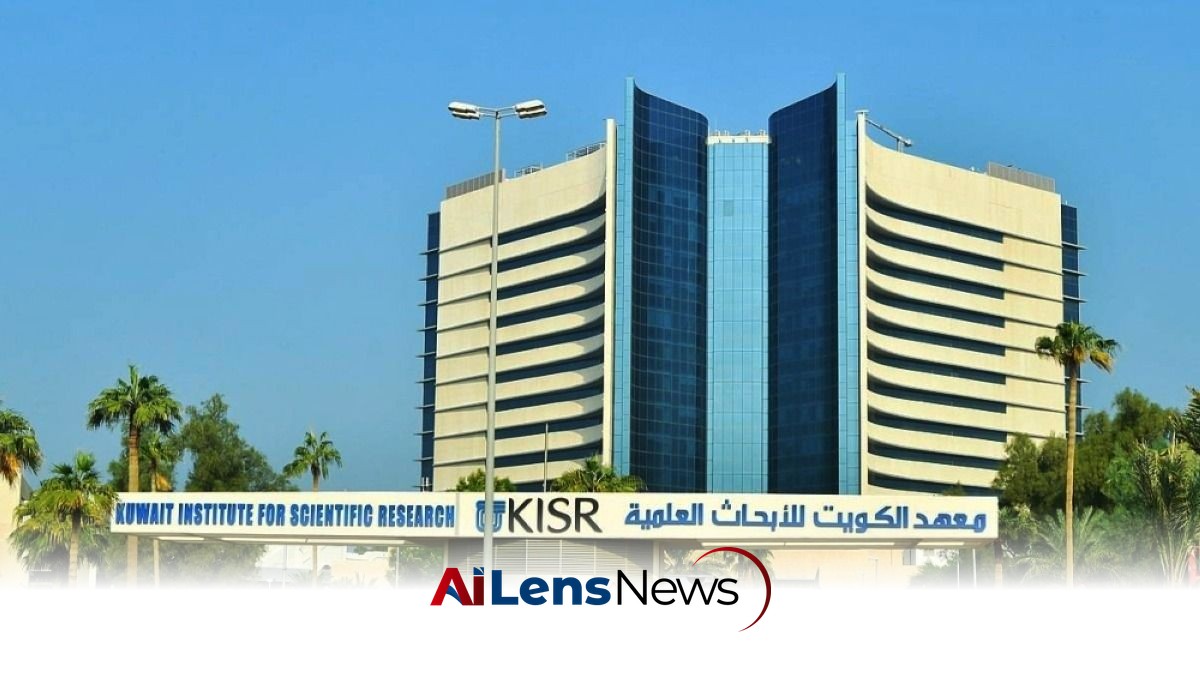


The Kuwait Institute for Scientific Research (KISR) is enhancing infrastructure resilience by expanding its structural safety monitoring system with smart sensors on high-rise buildings.
Kuwait City, Kuwait Jul 12, 2026 ALN: The Kuwait Institute for Scientific Research (KISR) has recently made significant strides in enhancing the structural safety of critical infrastructure within the country. Building on the successful implementation of its structural safety monitoring system at the iconic Al Hamra Tower, KISR is now expanding its innovative project by installing smart sensors on an additional high-rise building. This initiative is part of a broader strategy aimed at strengthening infrastructure resilience through the application of advanced engineering technologies.
This expansion is not a standalone effort; it is being executed in close coordination with relevant authorities, highlighting the collaborative approach taken by KISR to ensure the safety and longevity of Kuwait's infrastructure. The ongoing efforts to enhance structural safety are crucial, particularly in a region that is frequently exposed to extreme weather conditions, including high winds and sandstorms. By leveraging real-time monitoring and predictive analysis, KISR aims to proactively address potential structural issues before they escalate into more significant problems.
At the heart of KISR's initiative is specialized research that focuses on monitoring the structural integrity of high-rise buildings. This research has led to the deployment of intelligent sensors that are capable of measuring a building's response to various dynamic forces. These forces include not only environmental factors such as wind and sandstorms but also other external stresses that could impact the building's stability over time. This comprehensive approach to monitoring is essential in a country where the architectural landscape is increasingly dominated by tall structures, which can be particularly susceptible to such forces.
One of the key achievements at Al Hamra Tower was the development of a high-precision computational model. This model is supported by advanced mathematical algorithms and software designed to continuously analyze the data collected by the sensors. The system is sophisticated enough to detect even minor changes in the building's structural behavior, allowing engineers to identify potential damage at an early stage. This capability is critical, as it facilitates timely maintenance and preventive interventions, ultimately ensuring the safety of the building's occupants and the integrity of the structure.
Researchers involved in the project have emphasized that this initiative represents a significant milestone in the application of engineering intelligence and smart sensing technologies. By adopting such advanced digital solutions, Kuwait is positioning itself alongside other nations that are at the forefront of safeguarding critical infrastructure. The implications of this technology extend beyond mere monitoring; they encompass the entire spectrum of infrastructure management, from initial construction to ongoing maintenance and emergency response.
The technology developed by KISR provides accurate, real-time information regarding the condition of structures. This capability is particularly valuable in identifying areas that may be vulnerable during emergencies, such as earthquakes or severe storms. For government agencies and emergency planners, having access to continuous monitoring data is invaluable. It allows for more effective responses to emergencies and enables informed decision-making based on the latest available information about structural integrity.
Looking ahead, KISR has ambitious plans to extend this groundbreaking technology beyond high-rise buildings. The institute aims to include other critical infrastructure such as bridges, strategic facilities, and major infrastructure projects throughout Kuwait. This broader deployment of intelligent structural monitoring systems is expected to yield numerous benefits, including improved public safety, enhanced preventive maintenance strategies, and reduced long-term maintenance costs.
Furthermore, the integration of these advanced monitoring systems aligns with Kuwait’s vision for sustainable and resilient smart cities. As urban areas continue to grow and evolve, the need for robust infrastructure that can withstand the challenges posed by environmental factors becomes increasingly apparent. By investing in smart sensing technologies, Kuwait is not only ensuring the safety of its current infrastructure but also setting a precedent for future developments.
The implications of KISR's work extend beyond national borders as well. As other countries face similar challenges related to urbanization and climate change, the methodologies and technologies developed by KISR may serve as a model for international efforts to enhance infrastructure resilience. The global community is increasingly recognizing the importance of integrating technology into the management of infrastructure, and KISR's initiatives could play a pivotal role in shaping best practices in this field.
In conclusion, the Kuwait Institute for Scientific Research is leading the way in the development and implementation of advanced structural monitoring systems for critical infrastructure. By focusing on real-time monitoring and predictive analysis, KISR is not only enhancing the safety and integrity of Kuwait's buildings but also contributing to a broader understanding of how technology can be harnessed to address the challenges of modern infrastructure management. As this initiative continues to expand, it holds the promise of transforming Kuwait's approach to infrastructure resilience, ultimately benefiting the safety and well-being of its citizens.
To understand the significance of KISR's advancements, it is essential to consider the broader context of infrastructure development in Kuwait. The country has seen rapid urbanization and economic growth, particularly since the discovery of oil in the mid-20th century. This growth has led to an increased demand for high-rise buildings and other critical infrastructure. However, the unique environmental challenges faced by Kuwait, including its arid climate and the potential for seismic activity, necessitate a proactive approach to infrastructure safety.
The integration of smart sensors into building infrastructure represents a shift towards more data-driven decision-making in construction and maintenance. Traditional methods of monitoring structural integrity often relied on periodic inspections and assessments, which can miss subtle changes that might indicate underlying issues. By contrast, the continuous data collection enabled by KISR's technology allows for a more nuanced understanding of how structures respond to environmental stresses over time.
Moreover, the implications of KISR's work extend to the economic sector as well. By enhancing the safety and longevity of infrastructure, the institute's initiatives can lead to reduced costs associated with repairs and maintenance. This is particularly relevant in a region where the financial implications of infrastructure failure can be substantial, affecting not only the immediate area but also the broader economy. Ensuring that buildings are safe and resilient can foster investor confidence and support sustainable economic growth.
In addition to economic benefits, KISR's advancements in structural monitoring contribute to environmental sustainability. By optimizing maintenance schedules and extending the lifespan of critical infrastructure, the institute's technologies can reduce waste and the carbon footprint associated with construction activities. This aligns with global trends towards more sustainable urban development, where the focus is not just on building new structures but also on maintaining and upgrading existing ones in an environmentally responsible manner.
The collaboration between KISR and relevant authorities also underscores the importance of public-private partnerships in addressing infrastructure challenges. By working together, these entities can leverage their respective expertise to develop solutions that are both innovative and practical. This collaborative approach not only enhances the effectiveness of the monitoring systems but also fosters a culture of safety and resilience within the community.
As KISR continues to expand its initiatives, it may also consider engaging with international organizations and research institutions to share knowledge and best practices. In an increasingly interconnected world, the exchange of ideas and technologies can accelerate progress and help countries facing similar challenges learn from each other's experiences. KISR's role as a leader in this field positions Kuwait as a potential hub for research and innovation in infrastructure safety.
In summary, the advancements made by the Kuwait Institute for Scientific Research in developing an advanced structural monitoring system for critical infrastructure represent a significant leap forward in ensuring the safety and resilience of Kuwait's urban landscape. By harnessing the power of technology and promoting collaborative efforts, KISR is not only addressing immediate concerns but also setting a foundation for sustainable infrastructure management in the future. The implications of this work are far-reaching, offering lessons that may resonate well beyond Kuwait's borders as other nations strive to enhance their own infrastructure resilience in the face of evolving challenges.
To learn more about the latest developments in Internet of Things (IoT), stay updated with our exclusive reports and analyses on AiLensNews.

