

More
Checking your session
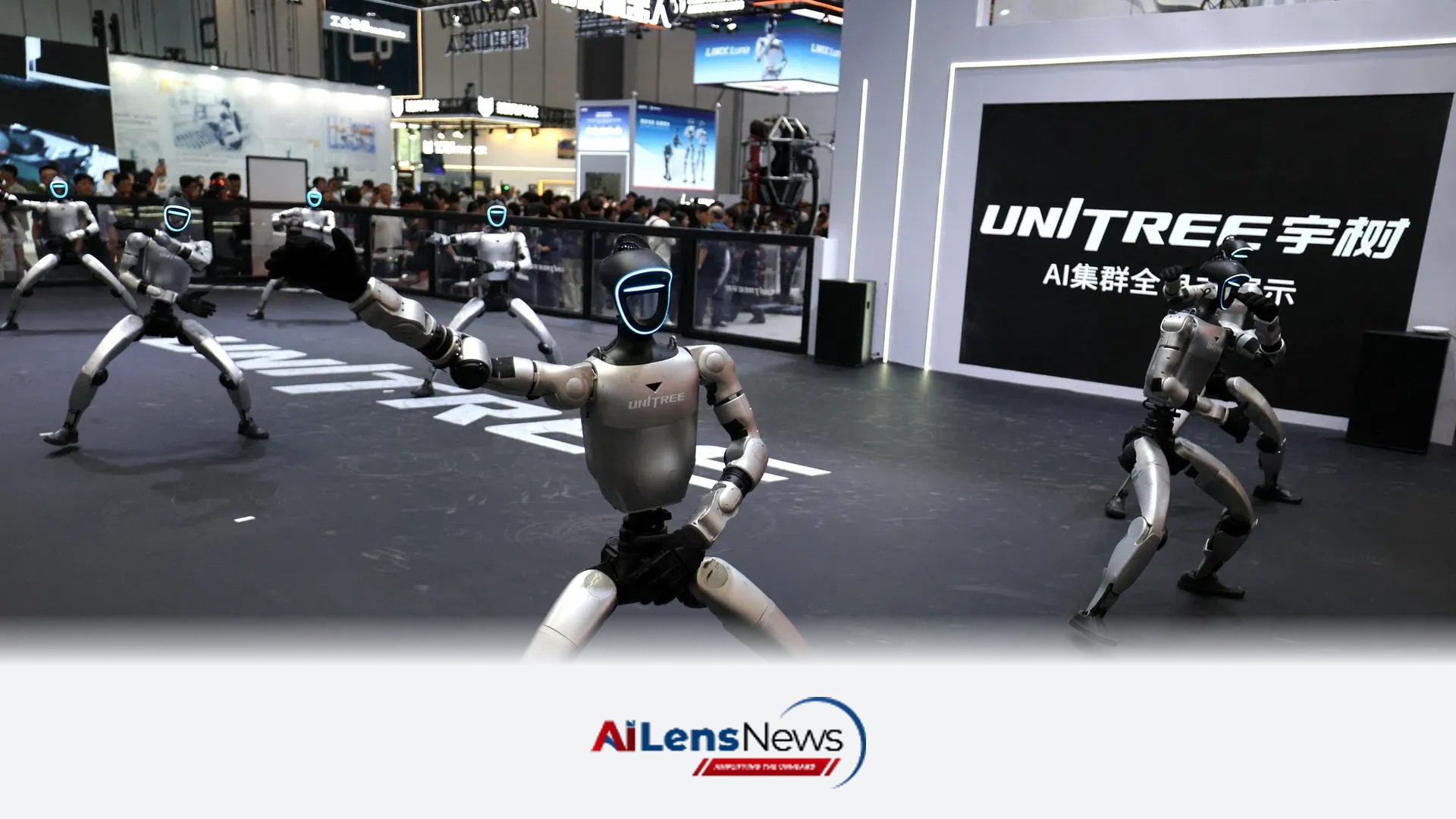



Unitree, a leading Chinese robot manufacturer, sees its shares drop 45% following a massive IPO surge, sparking fears of a market bubble.
Singapore, Singapore Aug 25, 2026 ALN: [HONG KONG/SHANGHAI] A roughly 45 percent slump in the shares of Unitree, China’s best-known humanoid robot maker, since a more than fivefold jump on its Shanghai debut has triggered concerns about bubble risk, retail investor losses, and flaws in the IPO system. The company's initial public offering (IPO) on August 19 was initially met with overwhelming enthusiasm, propelling its valuation to an astonishing US$66 billion. However, this rapid ascent was not sustainable, and the subsequent decline has raised alarms among investors and analysts alike.
The wild swings in Unitree’s valuation—soaring to US$66 billion at one point and later plunging by US$30 billion—have led to questions about whether enthusiasm for AI and robotics has outpaced fundamentals. Many industry experts are now scrutinizing the metrics that investors used to justify such a high valuation, particularly in light of the company's financial performance and competitive positioning within the rapidly evolving tech landscape.
The post-listing sell-off in the company, one of the world’s largest producers of quadruped and humanoid robots, has also led to soul-searching over China’s listing mechanism, which some analysts say distorts prices. The structure of the Chinese IPO system, which allows companies to set their own initial prices, is being called into question, as it can lead to inflated valuations that do not accurately reflect the underlying business health. This mechanism, combined with the fervor surrounding emerging technologies, has contributed to the volatility seen in Unitree's stock.
Unitree shares steadied on Tuesday (Aug 25) after three consecutive days of decline that took their losses to 45 percent since their Aug 19 debut. The stabilization of the share price could indicate that investors are reassessing the company's long-term prospects, although the initial surge and subsequent drop have left many wondering about the sustainability of such rapid growth in the tech sector.
The sharp reversal could become a cautionary tale for other Chinese tech companies looking to take advantage of Beijing’s “self-sufficiency” drive and IPO opportunities. The government has been actively promoting the growth of its domestic tech sector, particularly in areas like artificial intelligence, robotics, and semiconductors, as part of a broader strategy to reduce dependency on foreign technology. However, the recent volatility in Unitree's stock highlights the risks associated with such rapid expansion and the potential for market corrections.
It also highlights the challenge authorities face in boosting strategic industries without causing a market frenzy. The Chinese government has been keen to support sectors that are deemed critical for national security and economic growth, but the enthusiasm from investors can sometimes lead to speculative bubbles that ultimately harm the market. Policymakers must navigate the delicate balance between fostering innovation and ensuring market stability.
Unitree’s debut was expected to set the tone for a slew of domestic rivals preparing to come to market. The excitement surrounding its IPO was seen as a bellwether for other companies in the robotics and AI sectors, many of which were poised to follow suit. However, the dramatic fluctuations in Unitree's stock could deter potential investors from participating in future IPOs, as they may now be more cautious about the valuations being set in the market.
“Investors were carried away by the technology revolution narrative,” said Dong Baozhen, chairman of Beijing-based asset manager Lingtong Shengtai, cautioning that “all bubbles are doomed to burst.” This sentiment reflects a broader concern among investors about the sustainability of growth in high-tech sectors, especially when valuations become disconnected from economic realities.
Unitree’s debut performance is a sign of market froth, rather than prosperity in China’s tech sector, which has gained prominence over the past year during the country’s intense tech rivalry with the US. As the competition between the two nations intensifies, particularly in fields like AI and robotics, investors may be drawn to companies with high growth potential, but this can also lead to irrational exuberance and subsequent corrections, as seen in Unitree's case.
In conclusion, the dramatic rise and fall of Unitree's shares serve as a stark reminder of the volatility inherent in emerging tech markets. It underscores the need for investors to conduct thorough due diligence and for regulators to consider reforms to the IPO process to prevent similar situations in the future. As China's tech landscape continues to evolve, the lessons learned from Unitree's experience could shape the approach taken by both investors and policymakers in the coming years.
To learn more about the latest developments in Artificial Intelligence, stay updated with our exclusive reports and analyses on AILensNews.