


China's humanoid robot sector is experiencing rapid growth, highlighted by significant investments and advancements, yet faces challenges in practical applications.
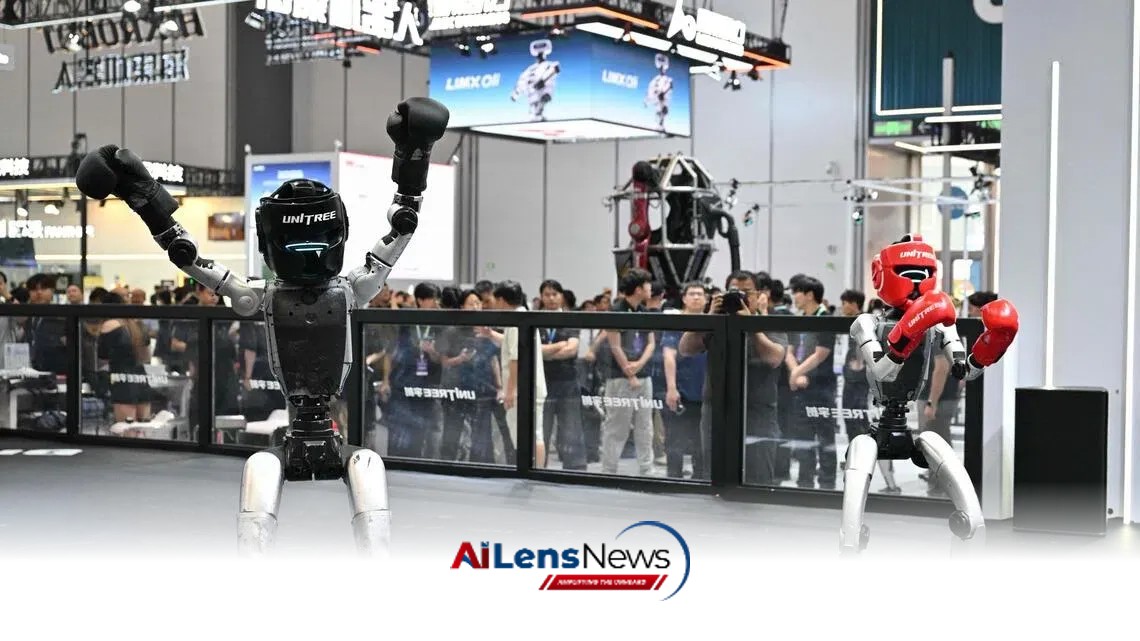
Singapore, Singapore Aug 21, 2026 ALN: Inside a boxing ring, two agile humanoid robots traded roundhouse kicks and punches. Two booths away, a less nimble robot spent nearly two minutes trying to fold a T-shirt before its human handler finally stepped in. These contrasting scenes played out at Beijing’s World Robot Conference on August 20, highlighting the current state of China's humanoid robot industry, which is characterized by both rapid advancements and significant challenges.
The event served as a showcase for the latest developments in robotics, revealing the stark differences in performance and capability among various humanoid robots. While some robots demonstrated impressive agility and coordination, others struggled with basic tasks, underscoring the gap that still exists between human dexterity and robotic capabilities. This disparity raises questions about the practical applications of humanoid robots in everyday life and the industries that could benefit from their integration.
On the same day as the conference, investors sent shares of Hangzhou-based Unitree Robotics soaring as much as 629.44 percent in its trading debut in Shanghai, achieving a valuation that analysts suggest has raced ahead of current fundamentals. This remarkable increase reflects the high expectations investors have for the future of humanoid robots, despite the industry's current limitations. Experts noted that the blockbuster listing of Unitree, often considered a poster child for China’s humanoid robotics push, illustrates the significant bets being placed on the potential of these machines as the industry works to translate their capabilities into reliable, commercially viable applications.
China, recognized as the world’s largest producer of humanoid robots, is making substantial investments to close the gap between current capabilities and future potential. The country is leveraging its industrial might and capital markets to propel the growth of this sector. Unitree's initial public offering (IPO) raised 6.1 billion yuan (approximately S$1.15 billion), with demand exceeding 8,000 times the available shares, marking a significant milestone as it became the first humanoid robot maker to list on mainland China’s stock market. This IPO not only reflects the optimism surrounding humanoid robotics but also signals a broader trend in China's economic strategy.
The timing of Unitree's IPO is noteworthy, coming just weeks after another high-profile listing by ChangXin Memory Technologies (CXMT), a leading Chinese memory chipmaker. Analysts have pointed out that these two listings are indicative of a strategic effort by the Chinese government to direct capital towards "hard technologies," as it seeks to upgrade its industrial capabilities and achieve greater technological self-reliance. This push is particularly crucial in the context of the ongoing tech rivalry with the United States, which has heightened the urgency for China to develop its own advanced technologies.
China's commitment to advancing humanoid robotics is evident through increased capital investment and government support. The government has been actively promoting research and development in this field as part of its broader industrial policy, which aims to transition the economy from low-cost manufacturing to high-tech innovation. Initiatives include funding for research institutions, grants for startups, and incentives for companies engaged in robotics development. This supportive environment has attracted a plethora of investors, eager to capitalize on the growth potential of humanoid robots.
Moreover, the Chinese government has recognized the strategic importance of robotics in enhancing productivity and addressing labor shortages in various sectors. As the population ages and the workforce shrinks, the integration of robots into industries such as manufacturing, healthcare, and service sectors is seen as a viable solution to maintain economic growth. The emphasis on humanoid robotics aligns with China's long-term vision of becoming a global leader in technology and innovation.
Despite the enthusiasm surrounding the humanoid robot industry, significant challenges remain. Current robots still lag behind humans in terms of task efficiency, adaptability, and the ability to perform complex functions in dynamic environments. For instance, while some robots can execute pre-programmed movements with precision, they often struggle with tasks that require fine motor skills or decision-making in unpredictable situations. This limitation underscores the need for continued research and development to enhance the capabilities of humanoid robots.
Furthermore, as the industry shifts its focus towards practical applications and commercial value, companies face the daunting task of demonstrating that humanoid robots can deliver a return on investment. This involves not only improving the technology itself but also addressing issues related to safety, reliability, and user acceptance. The challenge lies in creating robots that can seamlessly integrate into human environments and work alongside people, enhancing productivity rather than replacing human workers.
As humanoid robots become more prevalent, ethical considerations also come into play. Questions about job displacement, privacy, and the moral implications of human-robot interactions are increasingly relevant. Policymakers and industry leaders must navigate these complex issues as they promote the adoption of humanoid robots in society.
As the humanoid robot industry in China continues to evolve, the delicate balance between ambitious investments and the practical realities of robotics will be crucial in determining its future trajectory. The excitement surrounding the potential of humanoid robots is palpable, but so too are the challenges that lie ahead. For China to realize its vision of a robust humanoid robotics sector, ongoing innovation, strategic investment, and thoughtful regulation will be essential. The outcome of this endeavor could have far-reaching implications, not only for China's economy but also for the global landscape of technology and automation.
To learn more about the latest developments in Artificial Intelligence, stay updated with our exclusive reports and analyses on AILensNews.

