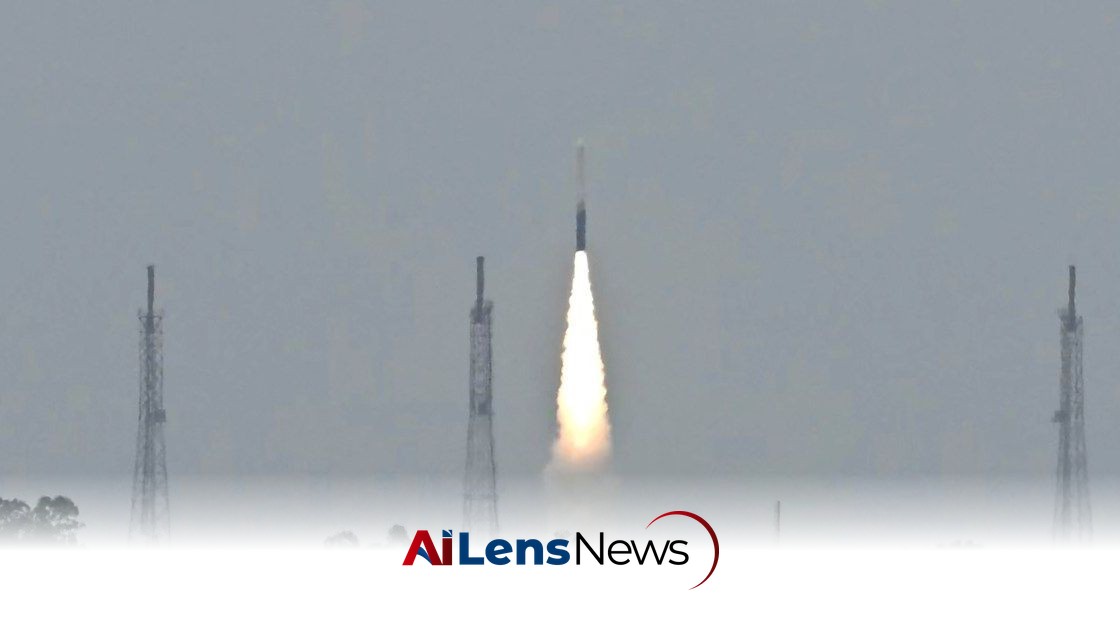


India successfully launched its first private-sector orbital rocket, Vikram-1, marking a significant step in its space ambitions.
Doha, Qatar Jul 18, 2026 ALN: India has successfully tested its first private-sector orbital rocket, marking a significant milestone in New Delhi’s ambition to become a major player in the global space economy. This achievement not only highlights the capabilities of Indian private space enterprises but also indicates the growing importance of commercial space exploration in the 21st century. The emergence of private-sector entities in space exploration is reshaping the landscape of the industry, traditionally dominated by government agencies and established aerospace corporations.
The three-stage 22-metre Vikram-1 was launched from the Satish Dhawan Space Centre in Sriharikota, a facility that has been pivotal in India's space endeavours since its establishment in 1971. The rocket successfully deployed customer payloads into a 450km (280-mile) low-Earth orbit, making India the third country to achieve orbital launch capability through private enterprise. This development places India alongside notable players such as the United States and China, who have long dominated the space sector, and signals a shift towards a more diversified global space economy.
Vikram-1 is designed with a robust payload capacity, able to carry up to 350kg (772lb), which is competitive within the commercial launch market. One of its unique features includes robotic arms capable of clearing space debris, a growing concern as the number of satellites in orbit increases. The rocket's payload for this mission included experimental equipment, a lab-grown diamond, and a miniature 18-carat gold sculpture that commemorates India’s national space programme, showcasing not only technological prowess but also cultural significance. These payloads reflect the innovative spirit of Indian startups, demonstrating how commercial missions can incorporate elements of research, art, and technology.
Prime Minister Narendra Modi hailed the achievement, emphasizing that it will “encourage countless youngsters to dream bigger and innovate fearlessly.” This sentiment reflects a broader governmental strategy aimed at fostering innovation and entrepreneurship within the space sector. The Indian government has been working to liberalize the space industry, allowing private companies to participate more actively in satellite launches and space exploration. This shift in policy has paved the way for startups like Skyroot Aerospace to thrive, creating a vibrant ecosystem that encourages new entrants into the market.
Founded in 2018, Skyroot is among a new generation of Indian space startups that have attracted backing from global investors, highlighting the increasing interest in the Indian space sector. Earlier this year, it became the first space-sector company in India to achieve a $1 billion valuation, a clear indicator of investor confidence in the potential for growth within this industry. The successful launch of Vikram-1 is expected to further attract investment and talent to the sector, which is still in its nascent stages compared to more established counterparts. This influx of resources and expertise is crucial for the development of advanced technologies and capabilities that can compete on a global scale.
Skyroot celebrated the successful mission with a post on X, stating: “Hello space, we have arrived!” This enthusiastic announcement marks the company's entry into a new phase of operations, where it can now offer commercial launch services to clients. Vikram-1 improves upon Skyroot’s Vikram-S mission in 2022, which reached space but did not place payloads into orbit. The successful orbital launch demonstrates significant advancements in technology and operational capability, showcasing the rapid progress being made by Indian private companies in the aerospace sector.
Looking ahead, Skyroot plans to conduct further test flights before commencing routine commercial missions. This achievement is another milestone for India’s burgeoning private and public space programmes. The Indian national space programme has a rich history, previously launching 104 satellites into orbit on a single rocket in 2017, setting a record at that time. Such feats have established India as a reliable player in the global satellite launch market, with a reputation for cost-effective and reliable launch services.
In addition to its impressive satellite launch capabilities, India made headlines six years later when it became the fourth country in the world to successfully complete a lunar landing with its Chandrayaan-3 mission, which touched down near the moon’s south pole. This accomplishment not only demonstrated India's growing expertise in complex space missions but also positioned the country as a key contributor to lunar exploration. The success of these missions reflects India's strategic approach to space exploration, which emphasizes scientific research, technological advancement, and international collaboration.
The success of Vikram-1 and other missions is expected to have wide-ranging implications for India's role in international space exploration. As private enterprises like Skyroot continue to innovate and expand their capabilities, they may enhance collaboration with governmental space agencies and international partners. This could lead to joint missions, shared technology, and a more diversified approach to space exploration that includes both commercial and scientific objectives. Such collaborations can foster a spirit of cooperation in space exploration, which is increasingly seen as a global endeavor that transcends national boundaries.
Furthermore, the emergence of private companies in the Indian space sector could stimulate job creation and technological development within the country. This aligns with the government's broader economic goals, which include fostering a knowledge-based economy and enhancing India's position in the global technology landscape. The growth of the private sector in space exploration can also inspire a new generation of engineers, scientists, and entrepreneurs, contributing to the overall development of India's human capital.
In conclusion, the successful launch of Vikram-1 is a landmark achievement not only for Skyroot Aerospace but also for India as it seeks to carve out a significant role in the global space economy. With continued government support and a burgeoning private sector, the future looks promising for India's ambitions in space exploration and technology. The Vikram-1 launch serves as a testament to the potential of private enterprises to drive innovation and progress in the aerospace industry, positioning India as a key player in the future of global space exploration.
To learn more about the latest developments in Artificial Intelligence, stay updated with our exclusive reports and analyses on AiLensNews.

