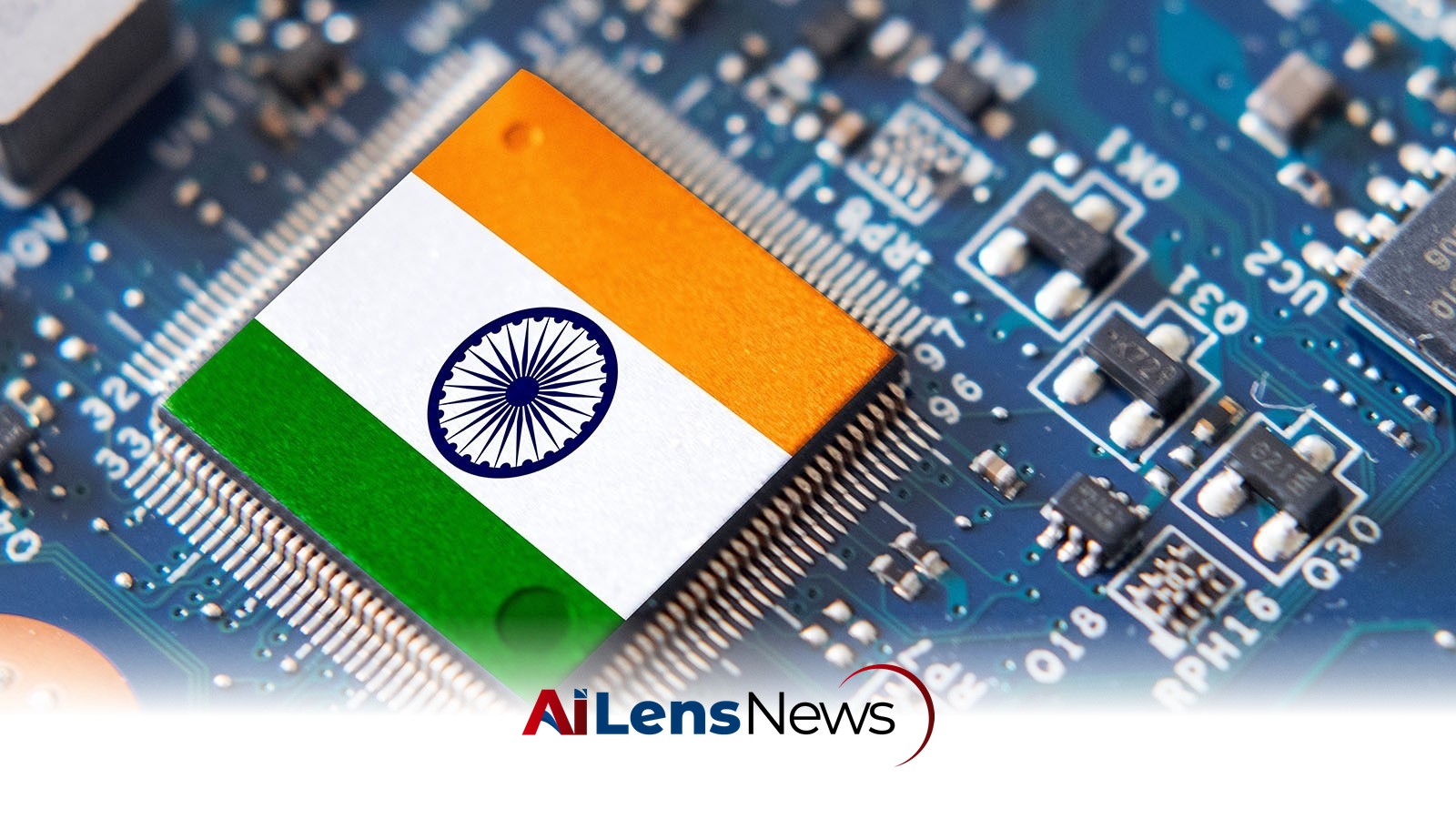


India is ramping up its semiconductor industry with a $13.2 billion investment, aiming to reduce reliance on Taiwan and strengthen its technology sector by 2030.
Kuwait City, Kuwait Jul 23, 2026 ALN: India is investing billions of dollars to build a domestic semiconductor industry as countries seek to diversify global chip supply chains beyond Taiwan. Backed by government incentives and growing private investment, New Delhi aims to become a major player in semiconductor manufacturing by 2030. This initiative is part of a broader strategy to enhance India's position in global technology and manufacturing sectors, which have become increasingly critical in the face of rising geopolitical tensions and supply chain vulnerabilities.
The semiconductor industry is pivotal to modern economies, being the backbone of a vast array of technologies that power everything from smartphones and electric vehicles to advanced computing systems and defense equipment. The COVID-19 pandemic highlighted the fragility of global supply chains, particularly in the semiconductor sector, where Taiwan has long been the dominant player, producing over 90% of the world’s most advanced chips. This reliance on a single geographic region has prompted countries like India to take proactive steps to ensure their technological sovereignty and economic stability.
India's efforts to establish itself as a global semiconductor manufacturing hub are multifaceted. The government has launched Semicon 2.0, a $13.2 billion program that builds upon the earlier $9 billion India Semiconductor Mission (ISM) initiated in 2021. This ambitious program aims to create a comprehensive semiconductor ecosystem that encompasses the entire supply chain—from chip design and fabrication to advanced packaging and workforce development. By doing so, India hopes to not only meet its domestic demand for semiconductors but also position itself as a key player in the global market.
One of the significant aspects of India’s semiconductor push is the substantial financial incentives offered to attract both domestic and international manufacturers. The government has allocated over $13 billion in incentives aimed at boosting local chip production. This financial backing is crucial for attracting investment from global semiconductor giants, who may be looking for alternative manufacturing bases in light of the geopolitical climate and the ongoing challenges in Taiwan.
Strong in Chip Design, Weak in Manufacturing
While India has demonstrated considerable strength in semiconductor design, it has yet to develop a robust manufacturing capability. The country is home to a large pool of skilled engineers and has established research centers in cities like Bengaluru, Hyderabad, and Noida, where global technology companies such as Nvidia, AMD, Qualcomm, and Texas Instruments have invested heavily in chip design. However, experts caution that without the necessary manufacturing infrastructure, India may struggle to transition from design to production effectively.
According to V. Kamakoti, the Director of the Indian Institute of Technology Madras, India’s strong capabilities in chip design must be complemented by the establishment of domestic fabrication facilities capable of producing semiconductors at scale. Currently, India's progress has been more pronounced in semiconductor packaging and testing rather than in the actual fabrication of chips, which represents a critical gap in the supply chain.
Industry Begins to Take Shape
Despite the challenges, the Indian semiconductor industry is beginning to take shape. Several companies have commenced operations under the initial phase of the semiconductor program. Notably, US-based Micron Technology, in collaboration with Indian firms Kaynes Semicon and CG Semi, has started commercial production of semiconductor assembly and testing facilities. The Indian government reports that 12 semiconductor fabrication and packaging projects have been approved, with three already in commercial production. This progress is indicative of growing investor confidence, which is crucial for attracting international semiconductor companies to India.
India's ambition is to create a domestic semiconductor market valued at $100 billion to $110 billion by 2030. This goal is not only about economic growth but also about achieving a level of self-sufficiency in semiconductor production, with the aim of fulfilling up to 75% of the country’s electronics demand through locally designed and manufactured chips. Achieving this target would significantly reduce India's reliance on imports, thereby bolstering its economic resilience.
Building a Competitive Chip Industry
However, the road to establishing a competitive semiconductor manufacturing industry is fraught with challenges. The construction of a state-of-the-art semiconductor fabrication plant can exceed $20 billion, and such facilities require a reliable power supply, vast quantities of ultra-pure water, and a robust network of suppliers capable of providing the necessary materials and equipment. Furthermore, the semiconductor industry is characterized by rapid technological advancements and fierce global competition, making it imperative for India to not only catch up but to innovate continuously.
Industry experts suggest that India should initially focus on producing 28-nanometre chips, which are extensively used in automobiles, industrial equipment, and consumer electronics. This strategy would allow India to establish a foothold in the semiconductor market before advancing to more sophisticated technologies, such as 3-nanometre chips, which are utilized in high-end smartphones and artificial intelligence applications. This phased approach could provide the necessary experience and infrastructure to support more advanced manufacturing processes in the future.
In conclusion, India's ambitious investment in semiconductor manufacturing represents a significant step toward diversifying global supply chains and enhancing its own technological capabilities. If successful, India could emerge as a crucial alternative production base in the global semiconductor industry, thereby reducing reliance on Taiwan while simultaneously stimulating its own economic growth and technological innovation. The outcome of this initiative will not only affect India's economy but also have broader implications for the global technology landscape, particularly in the context of increasing geopolitical tensions and the ongoing quest for supply chain resilience.
To learn more about the latest developments in Software & Platforms, stay updated with our exclusive reports and analyses on AiLensNews.

