

More
Checking your session



Spaghetti code refers to disorganized programming that complicates maintenance and understanding. This article explores its implications in software development.
New Delhi, India Aug 30, 2026 ALN: Understanding Spaghetti Code
Spaghetti code is a slang term used in the programming community to describe a tangled web of source code that is difficult to follow and maintain. This term highlights the challenges faced by developers when dealing with poorly structured programming. In an era where software complexity is ever-increasing, understanding the implications of spaghetti code has become crucial for both developers and organizations.
Spaghetti code typically arises from a lack of planning and foresight during the coding process. It is characterized by:
Such characteristics make it challenging for developers to navigate the codebase, leading to increased time and effort when making updates or debugging issues. The term 'spaghetti' accurately conveys the chaotic and intertwined nature of such code, where the flow of logic can resemble a bowl of tangled pasta, making it hard to discern where one segment begins and another ends.
The presence of spaghetti code can have several negative implications for software projects:
Furthermore, spaghetti code can hinder collaboration among team members. When new developers join a project, they often face a steep learning curve in understanding the existing codebase. This can lead to onboarding delays and a reliance on more experienced developers, who may be overburdened with explaining the intricacies of the code.
To prevent the emergence of spaghetti code, developers can adopt several best practices:
By implementing these practices, developers can create cleaner, more maintainable codebases that enhance productivity and reduce the risk of errors. Additionally, fostering a culture of quality and discipline in coding practices can lead to long-term benefits for both individual developers and the organization as a whole.
Spaghetti code serves as a cautionary tale in the world of software development. Understanding its implications and actively working to avoid it can lead to more efficient coding practices and better software outcomes. As technology continues to evolve, maintaining clean and organized code will be essential for the success of any software project. The shift towards agile methodologies and continuous integration practices emphasizes the importance of code quality and maintainability, making it imperative for developers to prioritize structured programming techniques.
In conclusion, the fight against spaghetti code is ongoing, and it requires a collective effort from developers, project managers, and organizations. By recognizing the signs of poorly structured code and taking proactive measures to address them, the software development community can improve the quality of their products and foster a more efficient and enjoyable working environment for all involved.
To learn more about the latest developments in Software & Platforms, stay updated with our exclusive reports and analyses on AILensNews.

A new platform, Baladi Map, enables residents to document and report local infra…
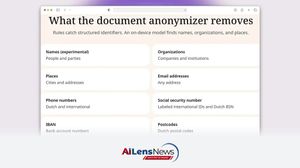
Discover essential tools like Weeve and Duck AI that help maintain your privacy …

At TechBBQ in Copenhagen, discussions centered on who controls AI technology in …

Qatar has made significant progress in its driverless robotaxi trials, achieving…
The world's largest electric aircraft has successfully completed its inaugural f…