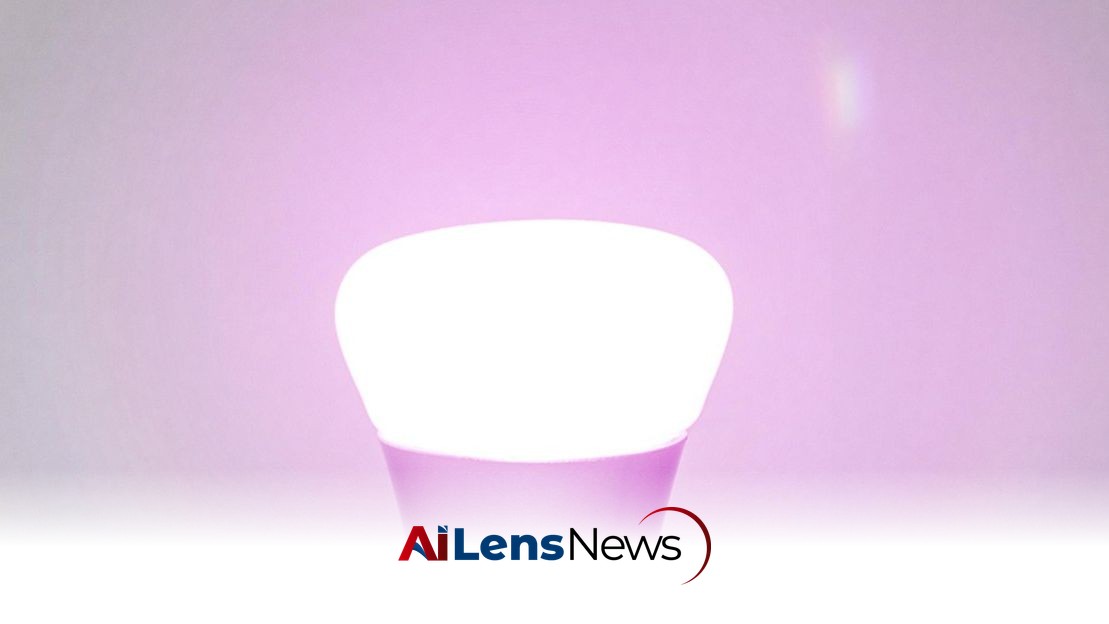


Philips Hue has redefined smart home nology, offering seamless control and adaptability without extensive renovations.
New Delhi, India Jul 12, 2026 ALN: The state of the smart home can be frustrating, because it is just so obvious how things ought to work. You should be able to control everything from everywhere. Your spaces should adapt to what you’re doing and how you’re feeling. Making your home smart shouldn’t require renovating, and the smarts should be mostly invisible. All of this is, of course, incredibly hard to pull off — but the goal is pretty clear. The concept of a smart home has been around for decades, yet the execution has often fallen short of consumer expectations. As nology evolves, so too do the possibilities of what a smart home can achieve.
Until now, maybe no product has come closer to nailing the smart home than Philips Hue. Philips Hue is a line of smart LED light bulbs and fixtures that can be controlled via a smartphone app or through smart home assistants. This nology allows users to adjust lighting settings from anywhere in the home or even remotely, creating a seamless experience that adapts to individual lifestyles and preferences. On this episode of Version History, we dig into all the things Hue got right. The show’s David Pierce and Jennifer Pattison Tuohy are joined by smart home journalist and expert Richard Gunther to discuss Hue’s origins, which have an awful lot to do with the rise of the smartphone. The introduction of smartphones fundamentally changed how consumers interact with nology, paving the way for devices like Philips Hue to flourish.
Philips Hue’s early embrace of practically every smart home platform has played a significant role in its success. The ability to integrate with platforms such as Apple HomeKit, Google Assistant, and Amazon Alexa has made the Hue ecosystem versatile and appealing to a wide range of users. This compatibility is crucial in a market where consumers often seek devices that work well together, creating a cohesive smart home experience. It allows users to control their lighting with voice commands or through other smart devices, enhancing convenience and accessibility.
However, this level of innovation does come with a somewhat shocking price tag. Philips Hue products are often seen as premium offerings in the smart lighting market, which can deter potential buyers who are looking for more budget-friendly options. Yet, many consumers are willing to invest in Philips Hue products due to their reliability, performance, and the extensive range of features they offer. The initial cost can be offset by the long-term benefits of energy efficiency and the potential for creating a more pleasant living environment.
What it takes to make a smart device that actually just... works is a combination of user-friendly design, robust nology, and an understanding of consumer needs. Philips Hue has managed to strike a balance between these elements, resulting in a product that is not only functional but also enjoyable to use. The intuitive app interface allows users to customize their lighting experiences easily, setting the mood for different occasions or simply adjusting the brightness and color temperature for comfort. This ease of use is essential in encouraging more people to adopt smart home nology.
This is the fifth (and next to last) episode of the fourth season of Version History. If you haven’t yet checked out the story of the Harmony remote, the Roomba vacuum, the Nest thermostat, or the Keurig coffee maker, make sure you catch up! It’s smart home season this season, and there’s so much to get into. The exploration of how these devices have transformed everyday tasks and improved quality of life is a testament to the ongoing evolution of smart nology. Each episode delves into the history and impact of these innovations, providing listeners with a deeper understanding of the smart home landscape.
For those interested in Philips Hue, there are numerous features and functionalities worth exploring. The customizable LED light bulbs offer 16 million colors, allowing users to create personalized lighting schemes that can enhance their mood or complement their decor. A starter kit, which typically includes several bulbs and a bridge for connectivity, costs around $199, making it a relatively accessible entry point into smart lighting. The investment can lead to significant improvements in both aesthetics and functionality within a home.
Moreover, Philips Hue’s MotionAware feature turns its smart bulbs into motion sensors, adding another layer of convenience and automation to the smart home experience. This functionality enables lights to turn on or off automatically based on movement, which not only enhances security but also contributes to energy savings. Such features underscore the potential of smart home nology to streamline daily routines and create a more efficient living environment.
Philips’ Hue history is also a noteworthy aspect of its success. Launched in 2012, the Hue line was one of the first smart lighting systems to hit the market, and it has since set the standard for what consumers expect from smart lighting solutions. The brand has continuously evolved, introducing new products and features that keep pace with nological advancements and changing consumer preferences. This commitment to innovation has solidified Philips Hue’s position as a leader in the smart lighting industry.
As the smart home market continues to grow, the implications of adopting systems like Philips Hue extend beyond mere convenience. They touch on broader themes of sustainability, energy efficiency, and the future of living spaces. Smart lighting solutions can play a significant role in reducing energy consumption, as LED nology is inherently more efficient than traditional incandescent bulbs. This shift not only benefits consumers through lower energy bills but also contributes to environmental sustainability by decreasing overall energy demand.
In conclusion, the Philips Hue system exemplifies the potential of smart home nology to enhance everyday life. With its user-friendly design, extensive compatibility, and innovative features, it stands out as a premier choice for those looking to upgrade their living spaces. As we move forward into an increasingly connected world, the lessons learned from Philips Hue can inform the development of future smart devices, making them more accessible, efficient, and integrated into our daily lives. The journey of smart home nology is just beginning, and products like Philips Hue will undoubtedly continue to play a pivotal role in shaping the future of how we interact with our environments.
To learn more about the latest developments in Gadgets & Devices, stay updated with our exclusive reports and analyses on AiLensNews.

