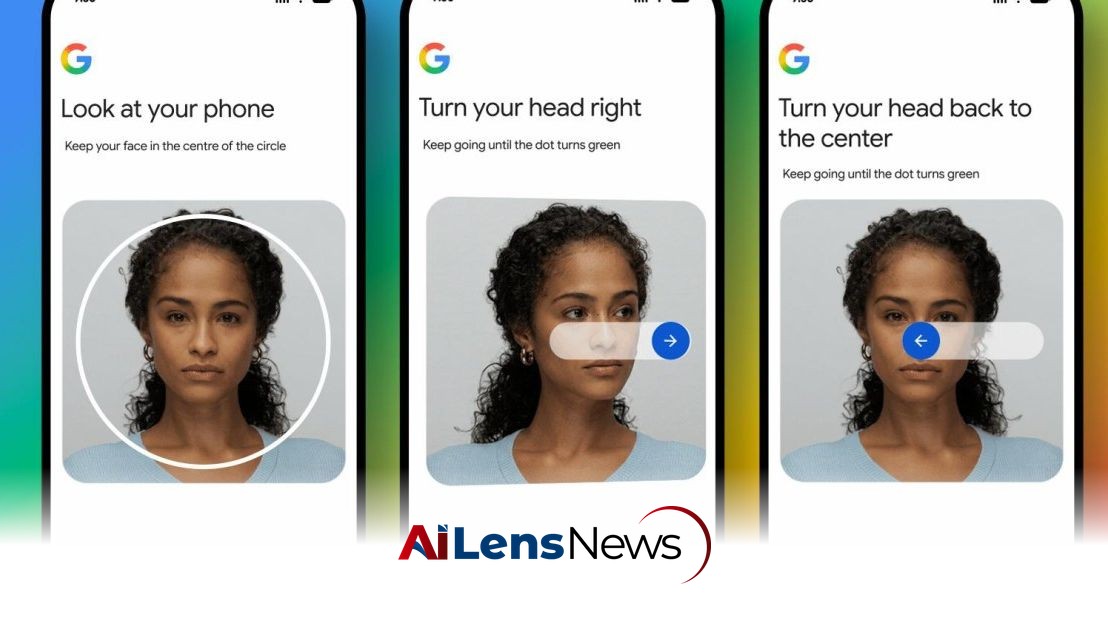


Google has launched a new feature allowing users to sign in to their accounts using a selfie video, enhancing security and accessibility.
New Delhi, India Jul 23, 2026 ALN: Google has recently introduced a groundbreaking method for users to access their accounts, particularly aimed at those who may forget their passwords or find themselves without access to their usual devices. This innovative feature, referred to as selfie video, allows users to capture a short video of their face using a mobile device or PC. The recorded video is then compared to a previously stored reference video to verify account ownership, providing a new layer of convenience and security in account management.
The move comes as part of a broader trend in the industry toward biometric security measures, which leverage unique physical characteristics for authentication. Traditional password systems have been criticized for their vulnerability to breaches and user forgetfulness. With the introduction of selfie video authentication, Google aims to address these concerns by offering a more intuitive and user-friendly approach to account security.
Setting up the selfie video feature is designed to be straightforward and user-friendly. Users are required to look at their device's camera and follow a series of onscreen prompts that guide them through basic head movements. This process ensures that multiple angles of the face are captured, akin to the setup processes for security features like Apple’s Face ID. However, it distinguishes itself by not requiring infrared light, which is often used in other facial recognition systems. Instead, the selfie video feature operates using standard camera nology, making it accessible to a broader range of devices.
In an era where data breaches and identity theft are rampant, security and privacy are paramount concerns for users. Google emphasizes that the reference video is recorded and securely stored in the cloud using encryption. This not only protects the video from unauthorized access but also allows users to retrieve their stored video from any device, not just the one where it was created. This flexibility is particularly beneficial for users who may switch devices frequently or find themselves in situations where their primary device is unavailable.
Importantly, users have the option to delete the video at any time through their account settings. This feature is crucial for maintaining user control over personal data, allowing individuals to manage their digital footprints actively. While the saved selfie video is primarily intended for sign-in purposes, Google also provides users with the choice to share it for additional uses, potentially opening doors for new functionalities in the future.
When users attempt to log into their accounts, they will again capture a short video of their face performing simple movements. This live video capture process serves a dual purpose: it helps confirm that the video is being recorded in real-time and facilitates an accurate comparison to the stored reference video. Google has implemented multiple layers of security to prevent impersonation attempts, including the use of photos or deepfake videos, which have become increasingly sophisticated in recent years. This proactive approach to security is part of Google's ongoing commitment to safeguarding user accounts against emerging threats.
In addition to these security measures, Google continues to employ its standard security practices to thwart suspicious sign-in attempts, further reinforcing the integrity of the authentication process. Users can feel more confident that their accounts are protected against unauthorized access, which is a growing concern in a digital landscape where cyber threats are constantly evolving.
The selfie video feature will be gradually rolled out to users worldwide, reflecting Google's strategy of implementing new nologies in a phased manner. This approach allows the company to monitor the feature's performance and gather user feedback for improvements. Interested individuals can check if their account is eligible and set up the feature by visiting g.co/signin-selfie. This accessibility is crucial in ensuring that a wide range of users can benefit from the new authentication method.
The introduction of the selfie video feature aligns with Google's broader initiatives to enhance user security while providing a more accessible way for individuals to regain access to their accounts. As more users become aware of the potential risks associated with traditional password systems, features like selfie video authentication may become increasingly appealing. The convenience of being able to authenticate one's identity through a simple video capture could lead to a paradigm shift in how users approach account security.
Furthermore, this development raises important questions about the future of authentication nologies. As biometric methods gain traction, there will likely be ongoing discussions about the balance between convenience and privacy. Users will need to weigh the benefits of enhanced security against the potential risks of storing biometric data. Google’s commitment to encryption and user control over their data is a positive step, but it will be essential for the company to maintain transparency about how such data is used and protected.
In conclusion, Google’s introduction of the selfie video feature for account sign-in represents a significant advancement in the realm of digital security. By leveraging biometric nology, the company aims to provide users with a more secure and user-friendly way to manage their accounts. As the rollout progresses and more users adopt this feature, it will be interesting to observe its impact on overall account security practices and user behavior in the digital space.
The introduction of selfie video authentication by Google is not an isolated innovation; rather, it is part of a larger movement within the industry toward adopting biometric authentication methods. Biometrics, which include facial recognition, fingerprint scanning, and iris recognition, are increasingly being integrated into various platforms and devices as a means of enhancing security. This shift is driven by the recognition that traditional passwords can be easily forgotten, stolen, or compromised, making them inadequate in protecting sensitive information.
In recent years, several high-profile data breaches have underscored the vulnerabilities associated with password-based security systems. For instance, breaches at major corporations have resulted in millions of user accounts being compromised, leading to identity theft and financial loss. Consequently, consumers and companies alike are seeking more robust solutions that can mitigate these risks. Biometric authentication offers a promising alternative, as it relies on unique physical characteristics that are much harder to replicate or steal compared to traditional passwords.
However, the adoption of biometric nologies is not without its challenges and concerns. Privacy advocates have raised alarms about the potential misuse of biometric data, particularly when it comes to surveillance and tracking. The storage of sensitive biometric information raises significant ethical questions regarding consent, data ownership, and the potential for abuse by both private companies and governments. As such, it is crucial for companies like Google to prioritize user privacy and implement stringent safeguards to protect biometric data from unauthorized access.
The introduction of selfie video authentication could have far-reaching implications for how users interact with their online accounts. As more companies begin to adopt similar nologies, we may witness a significant shift away from traditional password systems altogether. This could lead to a future where users rely primarily on biometric methods for authentication, fundamentally changing the landscape of digital security.
Moreover, the convenience of biometric authentication may encourage users to adopt stronger security practices. For instance, with the ease of logging in using a selfie video, individuals might be more inclined to enable two-factor authentication or other security measures that enhance the protection of their accounts. This shift could contribute to a more security-conscious user base, ultimately reducing the incidence of account breaches and identity theft.
As biometric authentication methods gain popularity, it will be essential for companies to remain vigilant about the evolving landscape of cyber threats. Cybercriminals are continually developing new tactics to exploit vulnerabilities, and as such, companies must stay ahead of the curve by investing in advanced security nologies and practices. Google’s introduction of selfie video authentication is a proactive step in this direction, but it will require ongoing innovation and adaptation to ensure that user accounts remain secure.
In summary, Google’s selfie video authentication feature represents a significant advancement in the field of digital security. By leveraging biometric nology, the company aims to provide a more secure and user-friendly method for account access. As this feature is rolled out and adopted by users, it will be important to monitor its effectiveness and the broader implications it may have for the future of authentication and online security.
To learn more about the latest developments in Software & Platforms, stay updated with our exclusive reports and analyses on AiLensNews.

