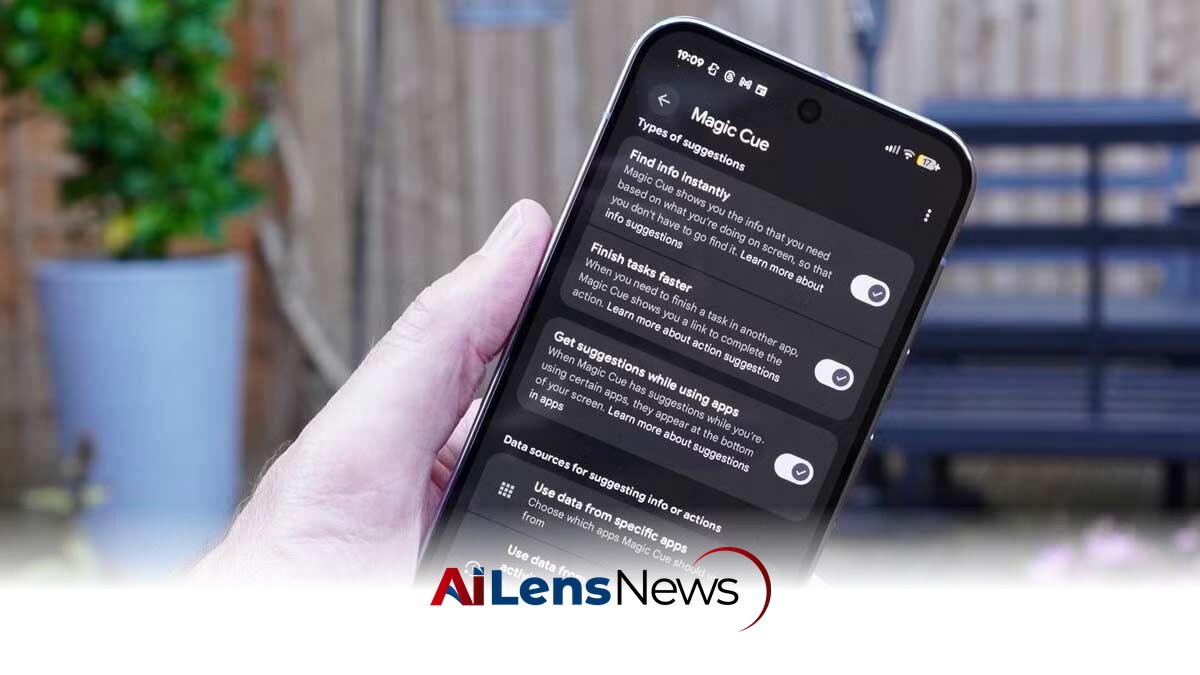


Google's Magic Cue feature is set to expand its functionality by integrating with third-party apps like Snapchat, enhancing user experience.
New Delhi, India May 25, 2026 ALN: Google's recent announcement regarding the enhancement of its AI-powered feature, Magic Cue, marks a significant milestone in the evolution of smartphone interactions. Originally introduced with the Pixel 10 lineup, Magic Cue has garnered attention for its innovative approach to providing contextual assistance. However, its functionality was somewhat limited due to its primary reliance on Google's own applications. The decision to integrate third-party applications, beginning with Snapchat, signals a strategic shift aimed at expanding the utility of Magic Cue in everyday smartphone use.
Magic Cue operates on the premise of reducing friction in user interactions by intelligently surfacing relevant information without the need for users to navigate away from their current tasks. This is particularly beneficial in a fast-paced digital environment where multitasking is commonplace. By understanding the context of what users are doing on-screen, Magic Cue can suggest helpful shortcuts or responses in real-time, thereby streamlining the user experience.
For instance, if a user is engaged in a conversation about dining options and needs to recall the name of a restaurant recommended by a friend, Magic Cue can automatically recognize this context and present the restaurant's name as a suggestion. This feature not only enhances efficiency but also minimizes the cognitive load on users, allowing them to focus on their conversations rather than manual searches. This contextual awareness is increasingly becoming a key feature in modern applications, as users seek tools that can anticipate their needs rather than requiring them to input commands or queries manually.
During a recent developer-focused presentation, Google showcased this functionality within Snapchat, illustrating how the integration works seamlessly. In the demo, a user received a message inquiring about a restaurant name that had been mentioned in a previous conversation. Instead of sifting through chat histories or performing a manual search, Magic Cue displayed the restaurant name as a suggestion chip, which the user could share with a simple tap. This example encapsulates the potential of Magic Cue to enhance communication and information sharing in a practical manner, making it not just a feature but a vital component of user interactions.
While Snapchat has been highlighted as one of the first major integrations, Google has not disclosed the complete roster of third-party applications that will support Magic Cue. This lack of transparency leaves room for speculation about which other popular apps might join the fold, potentially broadening the feature's applicability and appeal. The anticipation surrounding additional integrations speaks to the growing demand for more interconnected and context-aware mobile experiences, as users increasingly expect their devices to work in harmony with the diverse applications they use daily.
In conjunction with the expanded third-party support, Google also previewed a refreshed interface for Magic Cue. The previous design, which placed suggestion chips near the keyboard or within app layouts, has been revamped. The updated design positions these suggestion chips at the bottom of the screen, incorporating a glowing visual effect that aligns with Google’s new Neural Expressive design language, first introduced during the I/O 2026 keynote. This aesthetic upgrade is not merely cosmetic; it aims to enhance the visibility of suggestions, making it easier for users to notice and interact with them. Additionally, the introduction of a small “X” button allows users to dismiss suggestions that may not be relevant at the moment, providing a more user-centric approach to interaction. Such design considerations are crucial as they directly influence user engagement and satisfaction.
While the enhanced version of Magic Cue has yet to receive an official release date, industry expectations suggest that it may coincide with the stable rollout of Android 17 later this year. This timing could be strategic, as it would allow Google to showcase the capabilities of Magic Cue as part of a broader push toward a more integrated and intelligent Android ecosystem. The synchronization of software updates with hardware capabilities is a common strategy in the tech industry, aimed at maximizing the impact of new features and ensuring that users experience the full potential of their devices.
In parallel to the developments surrounding Magic Cue, Google is also advancing its broader AI ecosystem through a framework known as Gemini Intelligence. This advanced contextual AI system is built on Gemini models and is designed to power a range of smart features across Android devices and Google services. Gemini Intelligence is capable of processing text, voice, images, and on-screen content to deliver contextual assistance and automation, thereby enhancing the overall user experience. The integration of such a robust AI framework signifies Google's commitment to staying at the forefront of technological innovation and user-centric design.
The capabilities of Gemini Intelligence extend beyond just Magic Cue. It supports features such as real-time summaries, smart replies, writing assistance, image generation, and even assistant-like interactions on Pixel smartphones. This comprehensive approach to AI underscores Google's commitment to creating a more proactive and context-aware mobile experience, aligning with contemporary user expectations for seamless technology integration. As users become more accustomed to AI-driven solutions, the demand for such features is likely to grow, pushing companies to innovate continuously.
As Google continues to refine and expand its AI offerings, the implications for users are profound. With the integration of third-party applications into Magic Cue, users can expect a more versatile and practical tool that enhances their interactions across various platforms. This move not only positions Google as a leader in the AI space but also reflects a broader trend in the tech industry toward creating interconnected ecosystems that prioritize user experience. The ability to access relevant information without interrupting ongoing tasks can significantly enhance productivity and satisfaction for users, making it a critical area of focus for tech companies.
In conclusion, the enhancements to Magic Cue represent a significant step forward in Google's efforts to integrate AI into everyday smartphone use. By enabling third-party application support and refining the user interface, Google is poised to transform Magic Cue into one of its most valuable AI features. As the rollout of these updates approaches, users and developers alike will be watching closely to see how this feature evolves and impacts the way we interact with our devices. The future of smartphone interactions is undoubtedly leaning towards more intelligent and contextually aware systems, and Google's advancements in this area are likely to play a crucial role in shaping that future.
To learn more about the latest developments in Software & Platforms, stay updated with our exclusive reports and analyses on AiLensNews.

