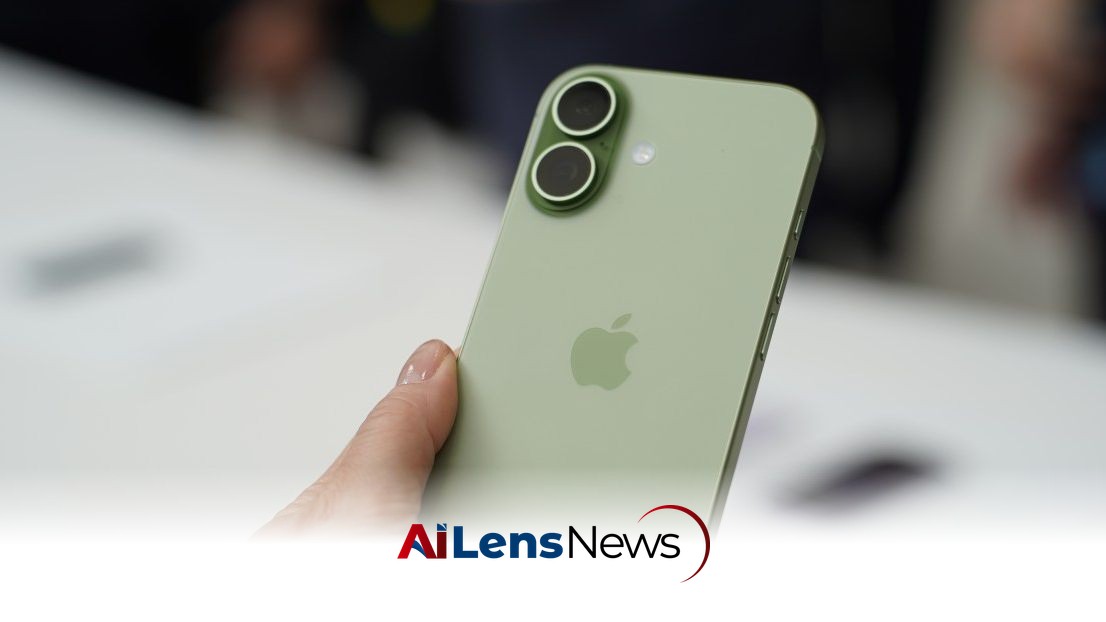


Despite ongoing global memory shortages, Apple has reported significant increases in iPhone and Mac sales in its latest earnings report.
New Delhi, India Jul 31, 2026 ALN: Apple Inc., the nology giant known for its innovative products and services, has reported a significant increase in sales for its iPhone and Mac lines, despite facing challenges due to a global memory shortage that is affecting many device manufacturers. In its third-quarter earnings report, released on a Thursday, Apple announced that iPhone sales surged by 22 percent, generating $54.25 billion in revenue. Similarly, Mac sales saw a remarkable increase of 29 percent, amounting to $10.35 billion. These strong sales figures contributed to the company's overall revenue, which reached an impressive $109.4 billion for the quarter.
The rise in sales is particularly noteworthy given the current global supply chain issues, which have been exacerbated by a shortage of RAM (Random Access Memory) chips. RAM is a crucial component in a wide range of electronic devices, including smartphones, laptops, and tablets. The ongoing shortage has forced many manufacturers to grapple with production delays and increased costs, leading to concerns about the future availability of devices. During an earnings call, Apple’s chief financial officer, Kevan Parekh, expressed that the company anticipates supply chain constraints to worsen in the upcoming months. He noted that the anticipated shortage would affect not only the iPhone and Mac but also the iPad, indicating a potential ripple effect across Apple's product line.
Apple's CEO, Tim Cook, echoed these sentiments, cautioning that the company expects to incur even higher memory costs in the near future. This projection raises concerns about how these increased costs might affect pricing strategies for Apple’s products, particularly as the company navigates a competitive market landscape. The impact of the memory shortage is not limited to Apple; it has been a widespread issue affecting various companies, leading to speculation about potential price increases across the industry.
The current earnings report holds particular significance as it marks the last report under Tim Cook's leadership. Cook has been at the helm of Apple since 2011 and has overseen the company’s remarkable growth and expansion into new markets. He is set to step down on September 1st, with John Ternus, Apple’s vice president of hardware engineering, poised to take over the role. Ternus has been instrumental in the development of several key products, and his leadership will be closely watched as Apple continues to innovate and adapt to changing market conditions.
In response to the ongoing RAM shortage, Apple implemented price increases across its product range in June. This included raising the prices of Macs, iPads, and other devices, as the company seeks to manage the financial impact of rising component costs. Notably, the new MacBook Neo, which debuted in March, saw its price increase from $599 to $699. The MacBook Neo has been well-received in the market, praised for its lightweight design and impressive performance, which has disrupted the affordable laptop segment.
While Apple has yet to raise the prices of its iPhones, analysts are predicting that the upcoming iPhone 18 could see a price increase of up to $200 when it launches in the fall. Such a move would reflect the broader trend of rising costs in the industry due to supply chain challenges and component shortages. Alongside the anticipated price adjustments, Apple is also planning to introduce a more personalized version of its Siri AI with the iPhone 18. This updated Siri is expected to enhance user experience by enabling the assistant to respond to queries about on-screen content, search across applications, and perform tasks such as adding events to the user's calendar.
In addition to hardware sales, Apple reported a robust $30.74 billion in services revenue, which encompasses a variety of subscription offerings, including Apple One and Apple TV. The services segment has become increasingly important for Apple, contributing significantly to its overall revenue growth. During the earnings call, Parekh highlighted that the company now boasts over 1.5 billion subscriptions across its services, reflecting the growing consumer demand for digital content and services. This diversification into services has helped Apple mitigate some of the risks associated with hardware sales fluctuations.
Apple also reported $7.88 billion in revenue from its wearables category, which includes popular products like the Apple Watch and AirPods. However, the iPad revenue fell short of expectations, totaling $6.2 billion, which may indicate shifting consumer preferences or increased competition in the tablet market.
The challenges posed by the RAM shortage are expected to persist, with industry experts predicting that the situation may not improve until 2027 or beyond. This long-term outlook raises questions about how companies like Apple will adapt their strategies in response to ongoing supply chain disruptions. As the landscape evolves, Apple will need to continue innovating and finding ways to maintain its competitive edge.
In response to changing consumer behavior and the need for flexibility, Apple recently announced a new Upgrade program that allows customers to lease an iPhone, iPad, Apple Watch, or Mac for a set monthly fee. This initiative is designed to make Apple products more accessible to a broader audience, particularly in an economic environment where consumers may be more cautious about large purchases. The Upgrade program reflects a growing trend in the industry, where leasing and subscription models are becoming increasingly popular as consumers seek more affordable ways to access the latest nology.
In conclusion, Apple's strong performance in iPhone and Mac sales amidst a challenging global memory shortage highlights the company's resilience and adaptability in the face of adversity. As it navigates supply chain constraints and potential price increases, the company's focus on innovation, services, and customer accessibility will be critical in maintaining its position as a leader in the nology sector. With a leadership transition on the horizon and a commitment to enhancing user experience through new AI capabilities, Apple is poised to continue shaping the future of nology in the years to come.
To learn more about the latest developments in Software & Platforms, stay updated with our exclusive reports and analyses on AiLensNews.

