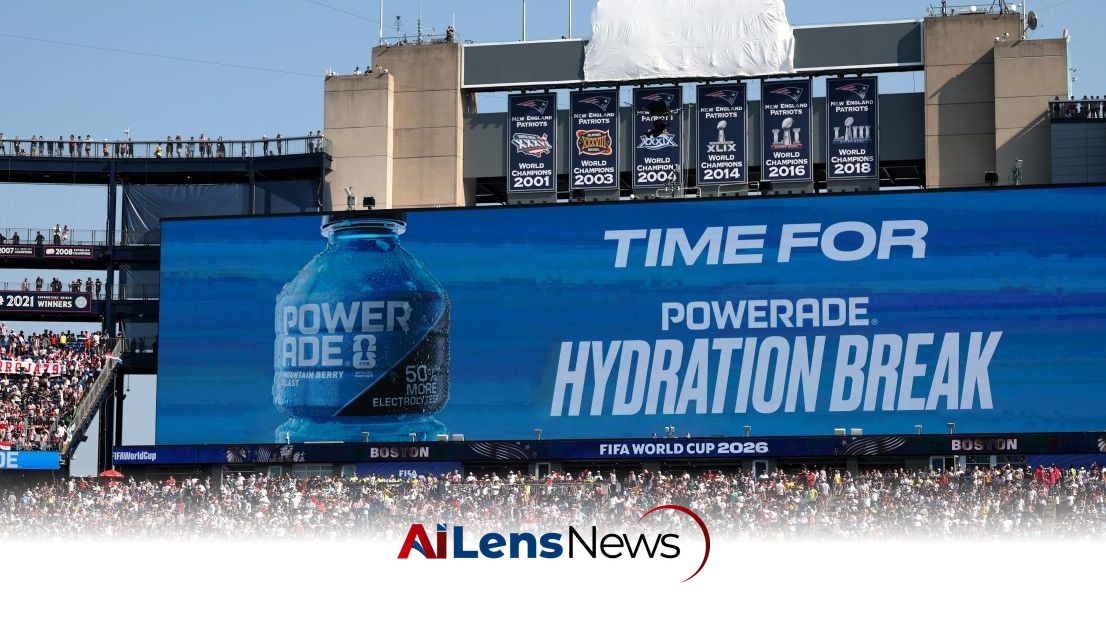


In the midst of summer heat, hydration remains crucial. While electrolyte mixes are popular, plain water is often sufficient for most people.
New Delhi, India Jul 3, 2026 ALN: As summer temperatures soar, the importance of hydration cannot be overstated. With Europe experiencing extreme heat and the eastern United States trapped in a "heat dome," staying hydrated is essential for health and well-being. Amidst the social media debates about hydration methods, it’s crucial to recognize a simple truth: drinking water is often enough. Hydration is vital not only for maintaining physical performance but also for cognitive functions, mood stability, and overall health. Dehydration can lead to a range of issues, from fatigue and headaches to more severe complications such as heat exhaustion or heat stroke, especially in high temperatures.
While hydration seems straightforward, the wellness industry has complicated the narrative. Influencers and health enthusiasts frequently promote electrolyte mixes, suggesting that plain water may not suffice. For instance, a TikTok influencer claims that water alone isn’t enough, emphasizing the need for electrolytes to optimize hydration. This trend has gained traction, particularly among younger demographics who are more susceptible to the influence of social media marketing.
Such claims are echoed by various personalities, including actress Mayim Bialik, who argues that drinking excessive amounts of water can lead to ineffective hydration due to the absence of sodium and glucose. This perspective has led to a proliferation of products like Liquid IV, which market themselves as superior hydration solutions. These products often come with a hefty price tag, leading consumers to question whether they are getting adequate value for their money. The marketing strategies employed by these brands often leverage the fear of dehydration and the desire for optimal health, creating a sense of urgency that compels consumers to purchase.
Electrolytes are minerals that carry an electric charge and are vital for various bodily functions. They help maintain fluid balance, support muscle contractions, and facilitate numerous chemical reactions. Common electrolytes include sodium, potassium, calcium, and magnesium. While it's true that we lose electrolytes through sweat and urine, the average person can usually replenish these through a balanced diet rich in fruits, vegetables, and whole grains. Foods such as bananas, spinach, and avocados are excellent sources of potassium, while dairy products and nuts can provide calcium and magnesium.
The marketing strategies employed by wellness brands often follow a predictable pattern. They start by undermining the established advice of drinking more water. Then, they present their products as the "optimal" solution, often accompanied by dubious claims about their effectiveness. This approach can create confusion among consumers, who may feel uncertain about their hydration needs.
For example, Liquid IV promotes a four-step hydration philosophy that includes making drinks more palatable and adding proprietary blends of electrolytes. However, this messaging can mislead consumers into thinking that these products are categorically better than water. The emphasis on taste and convenience can overshadow the essential message that plain water is often sufficient for most individuals. Furthermore, the marketing of these products sometimes downplays the importance of individual hydration needs, which can vary based on factors such as age, activity level, and climate.
While electrolyte mixes can be beneficial in specific situations—such as intense workouts or extreme heat—they are not a replacement for water. The FAQ section on Liquid IV’s website advises against replacing all water intake with their product, emphasizing moderation and the importance of consulting healthcare professionals. This acknowledgment is crucial, as it highlights that while these products can serve a purpose, they should be used judiciously and not as a first-line solution for hydration.
It’s important to understand the context in which electrolyte mixes may be appropriate. For instance, athletes engaged in prolonged, vigorous exercise may require additional electrolytes to replace those lost through sweat. Similarly, individuals working in hot environments or those who are ill and experiencing fluid loss may benefit from electrolyte supplementation. However, for the average person engaging in regular daily activities, adequate hydration can typically be achieved through water alone.
Over-reliance on electrolyte mixes can lead to health complications. For instance, excessive sodium intake can contribute to high blood pressure and other cardiovascular issues. Individuals with specific health conditions, such as kidney disease or hypertension, should be particularly cautious about electrolyte supplementation. The body has a delicate balance of electrolytes, and overconsumption can disrupt this balance, leading to a condition known as hypernatremia, which can have serious health implications.
In one case, a person suffering from chronic migraines attempted to use electrolyte mixes to prevent dehydration-related headaches but ended up experiencing elevated blood pressure due to excessive sodium intake. This highlights the importance of balance and moderation in hydration practices. It serves as a reminder that while seeking optimal hydration is important, it is equally crucial to be mindful of the potential risks associated with overconsumption of certain nutrients.
In conclusion, while hydration is critical, the message is clear: for most people, drinking water is sufficient. Electrolyte mixes have their place, particularly for athletes or those in extreme conditions, but they should not overshadow the fundamental principle of hydration. As summer heat continues, remember that staying hydrated can be as simple as drinking water. It is essential to listen to your body’s signals and adjust your hydration practices accordingly. Ultimately, understanding the basics of hydration can empower individuals to make informed choices about their health and well-being, without being swayed by marketing gimmicks or trends. Maintaining a balanced diet, staying aware of one’s activity levels, and prioritizing water intake can ensure that hydration remains uncomplicated and effective.
To learn more about the latest developments in Future Tech Trends, stay updated with our exclusive reports and analyses on AiLensNews.

