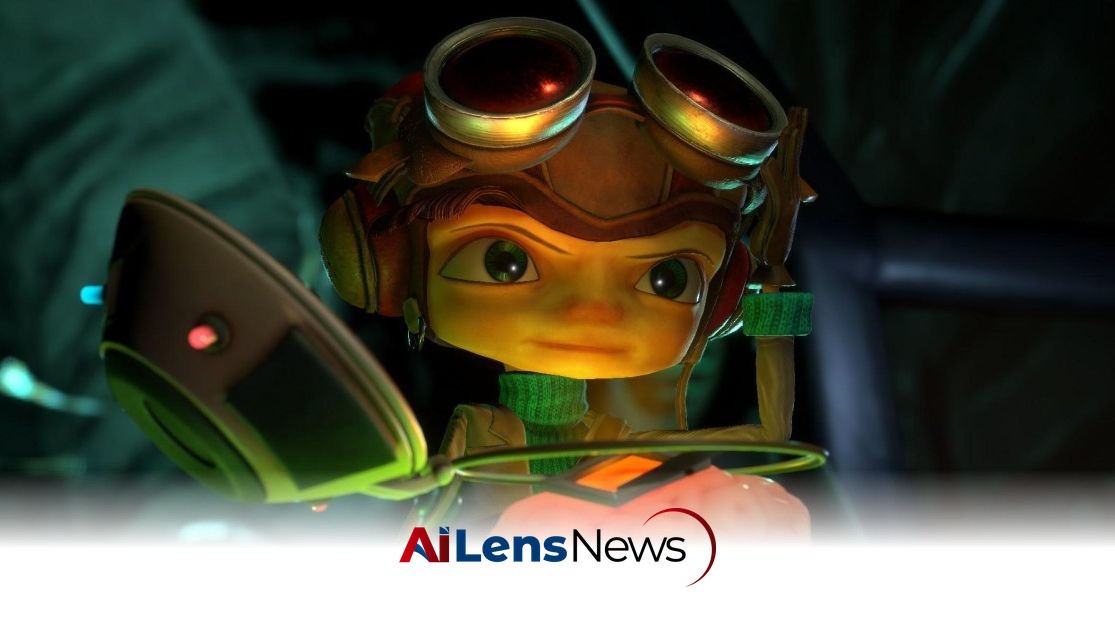


Microsoft is restructuring its Xbox game studios, allowing Double Fine and Compulsion to retain their franchises and catalogs as they transition to independent status.
New Delhi, India Jul 6, 2026 ALN: In a significant move within the gaming industry, Microsoft has announced the spin-off of four of its Xbox game studios as part of a broader restructuring initiative. The studios affected by this decision are Compulsion Games, Double Fine Productions, Ninja Theory, and Undead Labs. This restructuring reflects a strategic shift within Microsoft as it seeks to streamline its gaming operations and focus on core competencies. Notably, Compulsion Games and Double Fine Productions will transition to independent studios while retaining ownership of their intellectual properties (IP) and game catalogs, a decision confirmed by Xbox CEO Asha Sharma.
The decision to allow Compulsion and Double Fine to retain their franchises is particularly noteworthy. It signals a recognition of the unique creative identities these studios have cultivated over the years. In a memo, Sharma stated, "Compulsion Games and Double Fine Productions will return to management and transition to independent studios with their IP, catalog, and runway for their next games." This move is seen as a way to empower these studios to continue their creative endeavors without the constraints that can sometimes accompany being part of a larger corporate entity.
Both Compulsion and Double Fine have expressed their excitement about returning to independent status. Compulsion Games, founded in 2009, has a rich history of developing narrative-driven experiences. In their statement, they reflected on their humble beginnings, stating, "When Compulsion Games was founded in 2009 as an independent studio, we were just a few dreamers in a leaky old gramophone factory devoted to creating rich storylines and experiences that felt handcrafted." The studio is known for titles such as "Contrast" and "We Happy Few," both of which have garnered attention for their unique storytelling and gameplay mechanics. With the retention of their IP, Compulsion is poised to build upon its past successes while continuing to innovate in the gaming space.
In their announcement, Compulsion expressed gratitude for their time with Xbox, acknowledging the support they received during their tenure. They emphasized their commitment to creating unique games that resonate with players, stating, "Our immediate priority is to support our team throughout this transition period. We are confident in the future of Compulsion Games and look forward to this next chapter where one thing will remain constant: we will create unique games that tell important stories, all with the goal of touching the hearts and minds of our players." This commitment to storytelling aligns with the studio's history and suggests that they will continue to prioritize narrative depth in their future projects.
Double Fine Productions, renowned for its cult classic "Psychonauts," also shared their enthusiasm about regaining independence. The studio has a storied legacy in the gaming industry, known for its quirky and imaginative titles. In their statement, they expressed gratitude for their seven-year partnership with Xbox, highlighting the collaborative efforts that allowed them to preserve their history and culture. Double Fine stated, "We’re thankful to everyone at Xbox for seven great years together, and for working with us to reach an outcome which preserves our history and culture, and returns ownership of our games to us." This sentiment underscores the importance of creative autonomy in the gaming industry and the value of maintaining a studio's unique voice.
The return to independence for both Compulsion and Double Fine comes at a time when the gaming landscape is rapidly evolving. Independent studios have increasingly gained prominence, often producing innovative and critically acclaimed titles that stand out in a crowded market. This shift allows Compulsion and Double Fine to harness their creative potential without the constraints that can accompany being part of a larger corporate structure.
In contrast, the other two studios involved in the restructuring—Ninja Theory and Undead Labs—are taking a different path. According to Sharma, they have "entered terms to join new ownership with funding to complete and grow" their upcoming projects, such as Ninja Theory's "Senua" and Undead Labs' "State of Decay 3." This indicates that while they will not retain their IP in the same way as Compulsion and Double Fine, they are securing the necessary resources to continue their development efforts. This approach may provide these studios with the support needed to scale their projects while still allowing for some level of creative freedom under new ownership.
The restructuring of these studios is part of a broader trend in the gaming industry, where corporate consolidation and subsequent spin-offs have become increasingly common. As major publishers seek to optimize their portfolios, studios often find themselves reassessing their positions within larger corporate structures. This can lead to a variety of outcomes, from full independence to new partnerships that allow for continued growth.
Furthermore, the implications of this restructuring extend beyond the studios themselves. It reflects a shift in Microsoft's approach to gaming, as they navigate the competitive landscape dominated by other major players such as Sony and Nintendo. By allowing certain studios to retain their IP, Microsoft may be aiming to foster a more diverse ecosystem of games that can appeal to a wider audience. This strategy could ultimately benefit consumers by leading to a greater variety of gaming experiences.
As for the future of these studios, both Compulsion and Double Fine have indicated that they are looking forward to what lies ahead. They have acknowledged the support they have received from their fans and expressed a commitment to continuing their legacy of creating unique and impactful games. The gaming community will undoubtedly be watching closely as these studios embark on this new chapter, eager to see how they will evolve and what new projects they will bring to life.
In conclusion, the spin-off of Compulsion Games and Double Fine Productions marks a significant moment in the gaming industry, highlighting the importance of creative independence and the potential for innovation within the sector. As these studios transition back to independent status, they are poised to leverage their rich histories and unique creative visions to continue delivering memorable gaming experiences. Meanwhile, Ninja Theory and Undead Labs will navigate their new ownership arrangements, seeking to grow their projects with the support of their new partners. The evolving landscape of the gaming industry will continue to present both challenges and opportunities, and the outcomes of these transitions will be closely monitored by industry observers and fans alike.
To learn more about the latest developments in Software & Platforms, stay updated with our exclusive reports and analyses on AiLensNews.

