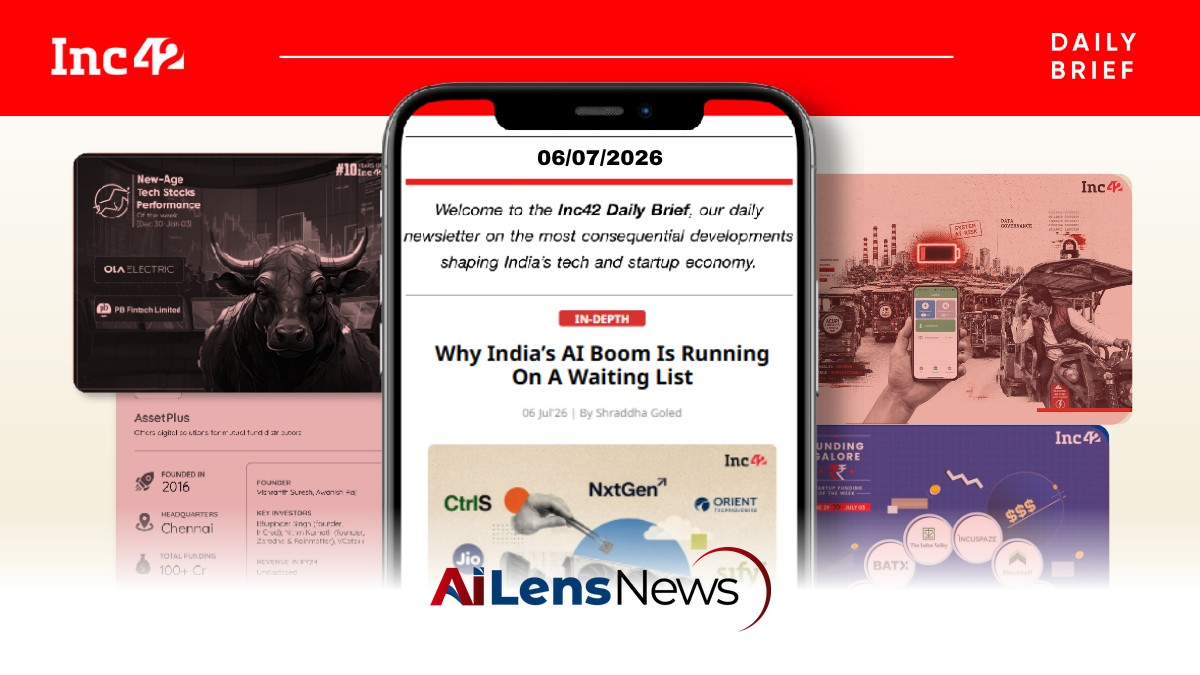


India's AI landscape faces a compute crunch as demand for GPUs outstrips supply, impacting cloud providers and startups alike.
New Delhi, India Jul 6, 2026 ALN: The way India buys AI compute power is being rewritten. Amid geopolitical tensions and downstream supply chain cracks, cloud providers are scrambling for next-generation AI chips. But as semiconductors become a strategic resource, who really gets the compute?
Sourcing Squeeze: Experts believe that the worst of the GPU shortage has eased, but demand is still outrunning supply. This friction is impacting the hardware that buyers can actually secure. As chipmakers focus on newer architectures, older-generation chips are becoming relatively easier to source.
But the procurement of newer GPUs remains constrained. This has resulted in slow delivery cycles, forcing cloud platforms to make early reservations and coordinate directly with OEMs.
The Downstream Drag: The bottlenecks have also moved downstream. Cloud platforms are facing severe constraints when it comes to components like memory, networking, and power infrastructure. Then, geopolitics has made the market more unequal. Export controls, concentrated semiconductor manufacturing and the dominance of a few hyperscalers have created a tiered system in which strategic buyers are prioritised, while smaller players wait longer for delivery.
The Strategy Pivot: To buffer against supply disruptions, cloud computing players are treating compute infrastructure as a strategic utility. Providers are moving to long-term demand forecasting, reserving fleet capacity years in advance and blending legacy hardware with new incoming GPUs to manage workloads.
Doing More With Less: The resource scarcity is also changing consumer behaviour on the ground. AI startups are increasingly scheduling training to off-peak windows, inference is becoming the main workload and software optimisation is turning into a competitive moat. Engineering teams are also deploying hybrid models, multi-cloud sourcing and workload routing to keep only the most compute-heavy tasks on premium chips.
As the country’s AI ambitions try to keep pace with compute deficit, how is India’s GPU market being rewired? Let’s find out…
Despite the rise of Korean pop culture across India, access to authentic Korean food has remained out of reach for many. Most offerings are confined to expensive, imported brands or premium stores, leaving a big gap for mainstream consumers. Gimi Michi wants to change this.
Democratising K-Food: Founded in 2024, Gimi Michi is building a dedicated Korean FMCG brand designed specifically for the Indian masses. By partnering directly with trusted manufacturers to develop local production pipelines, the startup bypasses costly import logistics to deliver authentic flavours at accessible consumer price points.
A Tailored Portfolio: The brand currently operates with a diverse portfolio of five instant ramen variations, including Crazy Cheesy, Korean Kimchi, Hot Chicken, and others. To appeal to experiential Gen Z and Gen Alpha buyers, Gimi Michi also offers curated experiential boxes packed with themed add-ons like chopsticks, stickers, and a dedicated bowl.
Growing Steadily: Tapping into quick commerce platforms like Zepto and Flipkart Minutes, the startup claims to have clocked an annualised revenue run rate of ₹16.8 Cr in FY26 while sustaining a rapid 60% month-on-month growth velocity. With the broader Indian instant ramen market projected to exceed a $1 Bn over the next decade, can Gimi Michi establish itself as a homegrown powerhouse for Korean flavours?
Everyone’s talking about Kunal Shah joining Meta. But before becoming WhatsApp’s global head, he built one of India’s most influential angel portfolios and backed 309 startups across sectors. Here is all about it…
To learn more about the latest developments in Startup Ecosystem Trends, stay updated with our exclusive reports and analyses on AiLensNews.

