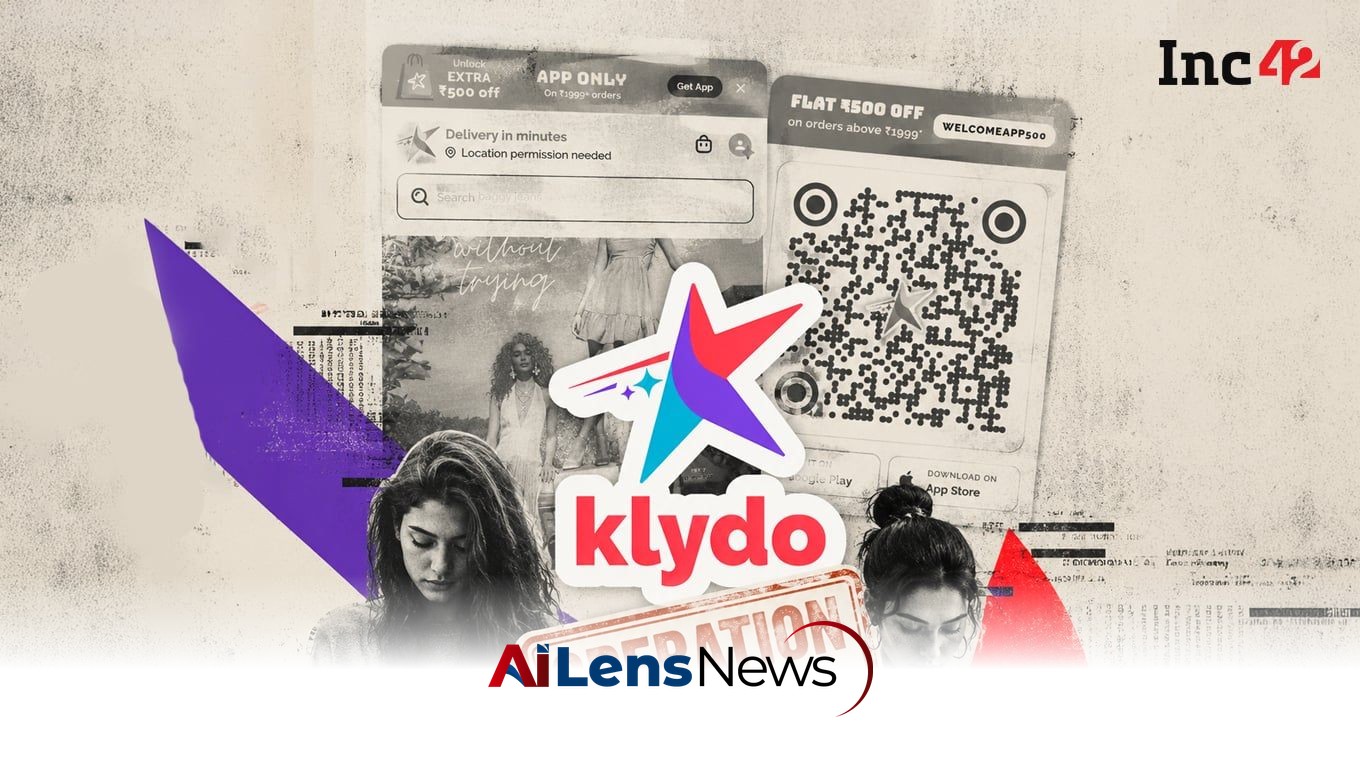


Fashion focused quick commerce startup Klydo has paused its consumer operations less than a year after launch. As per a note on the startup’s platforms, Klydo is pivoting its business.
New Delhi, India Jul 6, 2026 ALN: Fashion focused quick commerce startup Klydo has paused its consumer operations less than a year after launch. As per a note on the startup’s platforms, the Bengaluru-based quick commerce startup is looking at pivoting its business around a “sharper product vision”. This recent development highlights the challenges faced by startups in the rapidly evolving landscape of fashion and quick commerce.
In a statement, Klydo expressed, “Klydo is pivoting in a new direction based on everything we’ve learned so far. While we’ve paused our current consumer offering, we’re now focused on building the next chapter of the company around a sharper product vision.” This suggests a strategic reassessment of their business model, which may be necessary given the competitive and often volatile nature of the quick commerce market.
The Klydo app will remain accessible for a limited time, allowing users to access their order history and customer support services while the current consumer service is gradually wound down. This approach indicates a commitment to customer service even in the face of operational changes, allowing users to transition smoothly as the company reevaluates its offerings.
Klydo has reached out for comments on the future direction of the startup, indicating that they are open to feedback and potentially looking to engage with stakeholders as they navigate this transition. The story will be updated upon receiving responses from the company, reflecting a transparency that is often appreciated in the startup ecosystem.
This development was first reported by ET, highlighting the media's role in keeping the public informed about the shifts in the startup landscape, particularly in the highly competitive sector of fashion and quick commerce.
Klydo was founded in September 2025 by former Udaan executives Pradeep Yadav and Ankit Agarwal. The company aimed to revolutionize the fashion delivery space by offering deliveries of fashion, footwear, accessories, home, and gifting products within 15 to 30 minutes in Bengaluru. This ambitious model positioned Klydo as a key player in the quick commerce sector, which promises rapid delivery times to meet the growing consumer demand for instant gratification.
The decision to pause operations comes amid a challenging environment for rapid fashion startups, which are grappling with rising operating costs and increased scrutiny from investors regarding the sustainability of their business models. The quick commerce segment, while promising, has been fraught with difficulties, including high inventory requirements, low sell-through rates, and persistent cash burn, all of which complicate the path to profitability.
Prior to Klydo’s shutdown, another Bengaluru-based quick commerce startup, Blip, also faced challenges and ultimately had to wind down operations due to increased financial burn and a lack of available capital. This trend raises questions about the viability of quick commerce models in the fashion sector, especially for startups that lack the substantial financial backing often required to sustain operations during challenging times.
For more established fashion e-commerce players, the expansion into quick commerce appears to be a natural evolution of their business strategies. Companies like Myntra and Nykaa have made significant strides in this area, with Myntra launching its M-Now service and Nykaa expanding its quick commerce service, Nykaa Now, across multiple cities since its launch in 2024. These expansions suggest a recognition of the changing consumer preferences and the increasing demand for faster delivery options in the fashion industry.
At the heart of the quick commerce push is the rapidly growing Indian fashion e-commerce market. Valued at $21.6 billion in 2025, the market is projected to reach $98.45 billion by 2032, growing at a compound annual growth rate (CAGR) of 24.2%. This growth trajectory indicates a robust demand for fashion products online, driven by changing consumer behaviors and the increased penetration of the internet and smartphones across India.
The rapid growth of the Indian fashion e-commerce market can be attributed to several factors, including the increasing disposable income of consumers, a burgeoning middle class, and a shift in shopping habits towards online platforms. As consumers become more accustomed to digital shopping experiences, the demand for quick and efficient delivery services has intensified, prompting companies to innovate and adapt their business models.
However, the rapid growth of the market also poses challenges. As more players enter the space, competition intensifies, leading to price wars and increased marketing expenditures. Startups like Klydo must navigate these challenges while also addressing operational inefficiencies and ensuring a sustainable business model that can withstand market fluctuations.
The implications of Klydo’s pivot extend beyond just the company itself; they reflect broader trends in the startup ecosystem and the fashion industry. As companies reassess their strategies, there may be a shift towards more sustainable practices, focusing on quality over quantity, and finding innovative ways to engage consumers without overextending their resources.
In conclusion, Klydo's decision to pause its consumer operations is a significant development in the quick commerce sector, underscoring the complexities and challenges that startups face in this rapidly changing environment. As Klydo looks to redefine its business model, the outcomes of this pivot will be closely watched by industry stakeholders, investors, and consumers alike. The evolving landscape of fashion e-commerce, marked by both opportunities and challenges, will continue to shape the strategies of companies operating within this space.
The quick commerce model, characterized by its promise of swift delivery and convenience, has attracted a multitude of startups eager to capitalize on consumer demand for immediate gratification. However, the inherent challenges of this model, particularly in the fashion sector, have led many to question its long-term viability. Klydo's situation serves as a cautionary tale for others in the industry, highlighting the need for robust financial planning and adaptability in the face of market pressures.
As Klydo prepares to pivot, it will be essential for the company to analyze the core lessons learned during its initial operations. Understanding customer preferences, operational efficiencies, and the competitive landscape will be crucial in shaping its new direction. The startup's experience may also provide valuable insights for other fledgling companies navigating similar challenges in the quick commerce space.
Moreover, the broader implications of Klydo's pivot may influence investor sentiment within the quick commerce sector. As investors increasingly scrutinize the sustainability of business models, startups may need to demonstrate not only growth potential but also a clear path to profitability. This shift in investor expectations could lead to a more cautious approach to funding in the quick commerce arena, impacting how new entrants strategize their market entry.
In summary, while Klydo's pause in consumer operations may be viewed as a setback, it also presents an opportunity for reflection and innovation. The startup's future endeavors will be closely monitored as it seeks to refine its product offerings and business strategy. As the fashion e-commerce landscape continues to evolve, the lessons learned from Klydo's experience will likely resonate throughout the industry, shaping the strategies of both emerging and established players alike.
To learn more about the latest developments in Failures & Comebacks, stay updated with our exclusive reports and analyses on AiLensNews.

