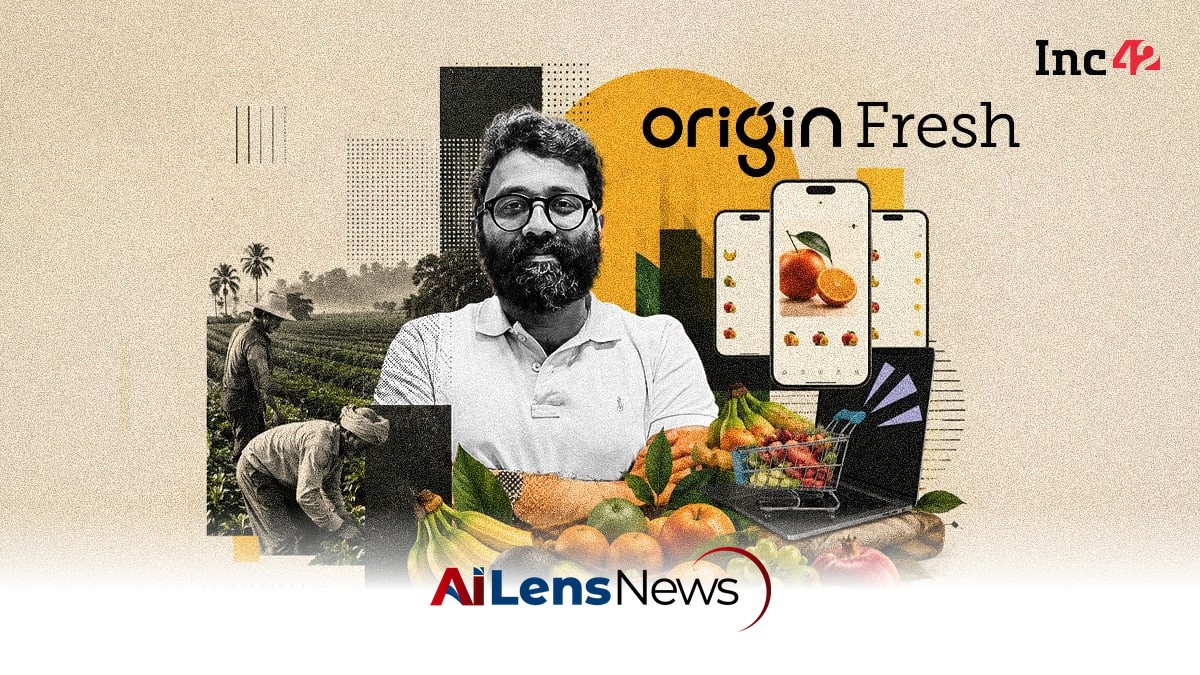


Fresh produce startup Origin Fresh is seeking $10 million in Series A funding to enhance its distribution and expand its retail presence across India.
New Delhi, India Jul 7, 2026 ALN: Fresh produce startup Origin Fresh is currently engaged in discussions to secure $10 million in a Series A funding round, with the intention of enhancing its distribution capabilities, expanding its retail presence, and delivering premium fruits and vegetables to consumers across India. The announcement was made by the company’s founder and CEO, Prashanth Vasan, who emphasized the strategic importance of this funding in the context of the startup's growth trajectory and market positioning.
Origin Fresh, which was established in 2020 by Vasan alongside co-founder Sidharth Raveendran, has previously raised $3.5 million through seed and pre-Series A funding rounds. These initial investments were spearheaded by Aeravti Ventures, with contributions from various other investors, including Microlabs, Sattva Family Office, Botnar Foundation from Switzerland, and Netri Foundation from Spain. The funding landscape for startups in India has become increasingly competitive, particularly in the food and grocery sector, which has seen a surge in investment as consumer preferences shift towards fresh and organic produce.
This latest funding initiative comes at a time when the Bengaluru-based startup is striving to carve out a unique identity in India's bustling fresh produce market. The company aims to establish a vertically integrated business model that manages nearly every aspect of the supply chain, from farm to consumer. This approach is designed to ensure quality control, reduce costs, and enhance the overall customer experience, which is critical in a market where freshness and quality are paramount.
Origin Fresh plans to allocate the new capital towards several key areas, including the expansion of its retail footprint through the opening of new stores in metropolitan and tier II cities, investment in brand development and customer acquisition strategies, and the enhancement of its supply chain capabilities. These initiatives are expected to bolster the company’s market presence and increase its competitiveness in a sector that has seen rapid growth and innovation.
The startup operates across both B2B (business-to-business) and direct-to-consumer (D2C) channels, sourcing produce from over 10,000 farmers through five collection centers. The produce is then routed to distribution centers located in Bengaluru and Chennai. From these centers, the products are delivered to customers via a network of 15 company-operated stores, which also function as fulfillment hubs for both walk-in customers and online orders. This dual-channel approach allows Origin Fresh to cater to a diverse customer base, including individual consumers and businesses.
In contrast to many grocery startups that rely heavily on third-party logistics, Origin Fresh has taken a different route by owning and operating nearly its entire supply chain. Approximately 90% of its logistics operations are managed in-house, utilizing a fleet of about 120 electric vehicles (EVs). This not only reduces operational costs but also aligns with sustainability goals, as the company seeks to minimize its carbon footprint. Additionally, the last-mile delivery workforce is comprised of salaried employees rather than gig workers, which contributes to greater accountability and service quality.
Origin Fresh prioritizes direct relationships with farmers, particularly smallholders who own less than two acres of land. The startup provides a range of support services to these farmers, including agronomy assistance, crop-specific workshops, demand forecasting, and help in accessing government subsidies. Furthermore, Origin Fresh facilitates financing for technology investments, such as hydroponic infrastructure, which can enhance productivity and crop quality.
Currently, around 700 farmers exclusively cultivate exotic vegetables and hydroponic produce for Origin Fresh under buyback agreements. This arrangement allows the startup to purchase the entire harvest from these farmers, including produce classified as Grade A, B, and C. By channeling different grades into various customer segments—ranging from retail consumers to restaurants and food processors—Origin Fresh enables farmers to monetize their entire output, thereby eliminating waste associated with lower-grade produce. According to Vasan, this model has resulted in participating farmers doubling their revenues over the past four years, demonstrating the effectiveness of the startup's approach.
In addition to sourcing from local farmers, Origin Fresh collaborates with growers in Australia, Thailand, and Spain for imported produce, thereby bypassing intermediaries that often inflate prices. Currently, imported fruits constitute about 40% of its fruit portfolio. Simultaneously, the company is working with Indian farmers to cultivate premium varieties, such as Royal Gala apples in Himachal Pradesh’s Spiti Valley and specialty fruits from the Northeast, further diversifying its offerings.
Beyond fresh produce, Origin Fresh has also ventured into value-added products with the launch of Blends, a separate brand dedicated to smoothies and cold-pressed juices. This initiative allows the startup to effectively utilize frozen fruits and lower-grade produce while creating an additional consumer brand that appeals to health-conscious buyers.
Currently, Origin Fresh generates approximately 35% to 40% of its revenue from B2B customers, which includes over 400 restaurants, while the remainder comes from direct consumer sales. Within the D2C segment, both offline and online channels contribute almost equally to revenue, although the mix varies by city. Vasan noted that D2C order volumes have increased nearly fivefold over the past year, highlighting the growing consumer interest in fresh produce and the startup's ability to meet that demand.
Looking ahead, Origin Fresh anticipates posting an operating revenue of ₹100 Cr in FY26, which would represent nearly double its projected revenue for FY25. Notably, Indian staples account for only about one-fifth of the business, while exotic vegetables contribute between 20% to 25% to total revenue. Fruits, however, remain the largest revenue driver for the company, underscoring the importance of premium offerings in its overall strategy.
To expand its reach, the startup has begun listing its products on quick commerce platforms such as Blinkit and Instamart, while also rolling out shop-in-shop counters within supermarkets. This format is already operational in 25 supermarkets in Chennai, with plans to introduce it in Bengaluru shortly. Each outlet is staffed by Origin Fresh employees, ensuring consistent merchandising and adherence to quality standards, which is critical in maintaining customer trust and satisfaction.
In the coming year, the startup plans to open around 10 new stores, establish at least 10 additional hydroponic farms around Bengaluru and Coimbatore, and expand its operations into Maharashtra, Gujarat, and eventually Delhi. Vasan expects the shop-in-shop format to emerge as a more rapid and capital-efficient channel for growth, allowing the company to reach more consumers without the overhead costs associated with standalone stores.
Recently, Origin Fresh opened its first store in western India, located in Pune, featuring 250 SKUs that include fruits, vegetables, hydroponic produce, exotic imports, and daily essentials. The company also plans to set up three new collection centers in Maharashtra within the year, further enhancing its supply chain and distribution capabilities.
Origin Fresh is banking on its ownership of the entire value chain, coupled with a focus on premium and exotic fresh produce, to differentiate itself in India's increasingly competitive grocery delivery market. The company’s commitment to quality and sustainability is likely to resonate with health-conscious consumers who are willing to pay a premium for high-quality produce.
In the broader context of the grocery market, newer entrants such as Elixiir Foods are targeting urban consumers with what they describe as “affordable premium” products. Similarly, platforms like Pluckk, Fresh Farmse, KisaanSay, and Frugivore are emerging, offering fresh produce and end-products like juices and salads sourced directly from farms. Meanwhile, established players are also diversifying their offerings, with FirstClub entering the grocery segment last year with a focus on premium products. This competitive landscape underscores the importance of innovation and quality in meeting the evolving preferences of consumers in India.
To learn more about the latest developments in Funding & Investments, stay updated with our exclusive reports and analyses on AiLensNews.

