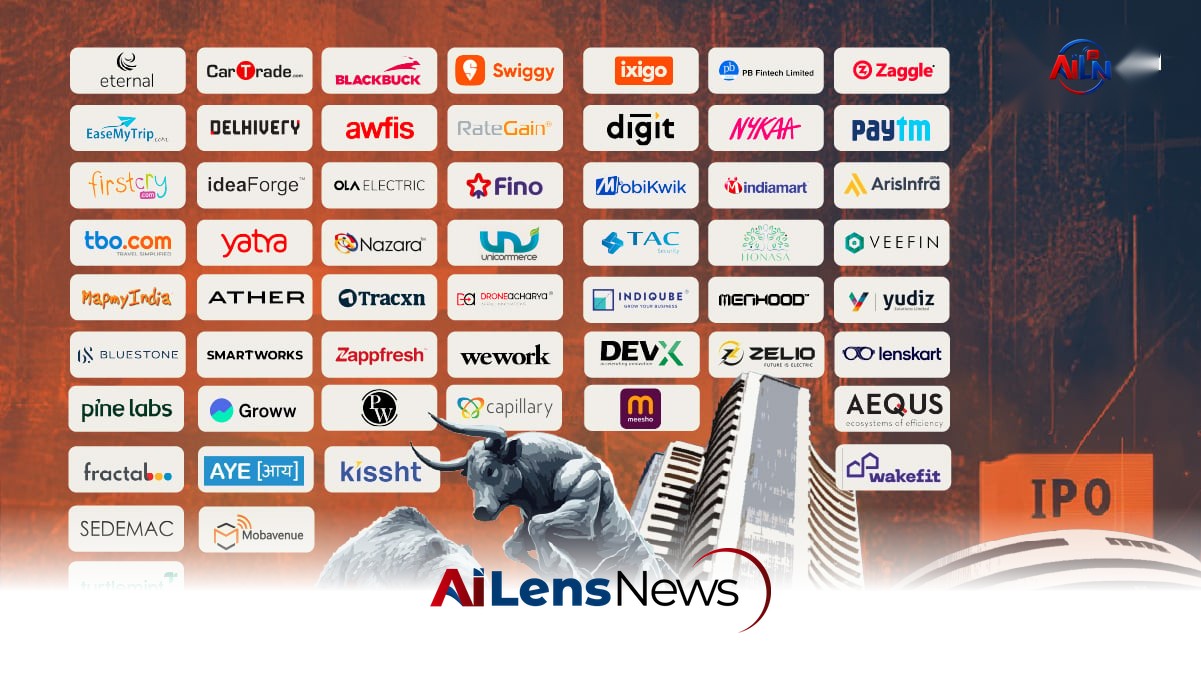


Over 60 Indian new-age tech companies have crossed the IPO milestone, with a cumulative market cap exceeding $148 billion.
New Delhi, India Jul 4, 2026 ALN: For years, we have tracked the Indian tech startup ecosystem and witnessed its growth from infancy to maturity. One of the most significant indicators of this evolution is the increasing number of startups pursuing public listings. The Indian tech startup landscape has transformed dramatically over the past decade, evolving from a handful of nascent companies to a vibrant ecosystem teeming with innovation and investment opportunities. This transformation reflects not only the entrepreneurial spirit of the nation but also the growing appetite for technology-driven solutions across various sectors.
The rise of Indian tech startups can be traced back to the early 2010s when a combination of factors created a conducive environment for entrepreneurship. The proliferation of internet access, the increasing availability of venture capital, and a burgeoning young population eager to embrace technology all contributed to the startup boom. Additionally, government initiatives aimed at promoting entrepreneurship, such as the "Startup India" campaign launched in 2016, have further fueled this growth by providing funding support, easing regulatory burdens, and creating a favorable business environment.
For Indian companies, achieving a public listing has long symbolized operational progression, transparency, and long-term viability. A public listing allows companies to raise capital from a broader base of investors, which can be pivotal for funding expansion, research and development, and scaling operations. Furthermore, for startups, it represents a critical rite of passage, signaling maturity while also creating pathways for investor exits and wealth creation. The ability to access public markets can significantly enhance a company’s brand visibility and credibility, attracting more customers and partners.
Currently, nearly 15 startups, including Zepto, Shiprocket, and OYO, are at various stages of their IPO journey. This surge in IPO activity is indicative of the confidence that founders and investors have in the Indian market, as well as the robustness of the underlying business models. Meanwhile, over 60 Indian new-age tech companies have successfully crossed this milestone and are now listed on the stock exchanges. The IPO process can be complex and requires companies to meet stringent regulatory requirements, including financial disclosures and corporate governance standards, which can help enhance transparency and accountability.
The importance of regulatory compliance cannot be overstated. By adhering to these standards, companies not only protect the interests of investors but also build trust in their brand. This trust is crucial in a market where competition is fierce, and consumer choices are heavily influenced by brand reputation. Moreover, companies that demonstrate a commitment to transparency and ethical governance are more likely to attract institutional investors, who often seek out firms with strong compliance records.
This list includes notable companies like MakeMyTrip and Freshworks, which are listed on Nasdaq in the United States. The international listing of Indian tech companies underscores the global appeal of Indian startups and their potential to compete on an international stage. Such listings not only provide access to larger pools of capital but also offer Indian companies the chance to gain recognition and credibility in global markets. The ability to present themselves on a global platform allows these companies to attract international investors and partners, thereby enhancing their growth prospects.
India’s startup IPO wave reached its peak in 2025, surpassing the previous year’s momentum.
In 2024, 13 startups went public, but that number has already been exceeded this year, with 18 companies making their market debut. The list of new-age tech companies that went public in 2025 includes Meesho, Ather Energy, Urban Company, Lenskart, Groww, Pine Labs, and PhysicsWallah. Each of these companies has carved out a niche in their respective sectors, ranging from e-commerce and renewable energy to education technology and fintech. Their successful IPOs reflect a growing investor interest in diverse sectors of the economy and highlight the potential for innovation-driven growth.
The trend is expected to continue, with six new-age companies—Kissht, Aye Finance, Fractal Analytics, Amagi, Shadowfax, and SEDEMAC—already making their public market debut in 2026. The diversity of these companies indicates a broadening of the tech ecosystem, with firms focusing on various aspects of technology and services. Additionally, Turtlemint is scheduled to make its public debut soon, signaling ongoing optimism in the market. The anticipation surrounding these upcoming IPOs reveals the confidence that investors have in the future growth trajectory of the Indian tech landscape.
As of now, the total market capitalization of the listed companies stands at over $148 billion.
This significant market capitalization is a testament to the collective value that these companies bring to the economy. It reflects not only the financial health of these firms but also the broader economic potential of the tech sector in India. The growth in market capitalization has implications for various stakeholders, including employees, customers, and investors. For employees, it often means stock options and potential wealth creation, while for customers, it signifies the reliability and stability of services offered by these companies.
The impact of these IPOs extends beyond the companies themselves. As these startups grow and succeed, they contribute to job creation, innovation, and economic development within their communities. The ripple effects of a thriving tech sector can be seen in increased consumer spending, enhanced infrastructure, and improved quality of life. Moreover, as these companies expand, they often engage in corporate social responsibility initiatives, further contributing to societal well-being.
To consolidate all information regarding listed startups, we have launched the Indian Listed New-Age Tech Company Tracker. This tracker serves as a comprehensive resource, detailing everything from share movements since listing to the financial performance of these companies. The tracker aims to provide investors, analysts, and the general public with insights into the performance of these tech companies, enabling informed decision-making. By offering transparency and accessibility to data, the tracker plays a crucial role in demystifying the public markets for new-age tech companies.
In conclusion, the Indian tech startup ecosystem is witnessing an unprecedented wave of IPOs, marking a significant milestone in its evolution. The increasing number of public listings is indicative of a maturing market, characterized by robust business models, investor confidence, and a growing appetite for technology-driven solutions. As more companies prepare for their public debuts, the landscape will continue to evolve, presenting new opportunities and challenges. Stakeholders across the board—from entrepreneurs to investors—must stay informed and agile to navigate this dynamic environment effectively.
Looking ahead, the Indian tech landscape is poised for further growth, driven by advancements in technology, shifts in consumer behavior, and increased global connectivity. The ongoing digital transformation across sectors such as healthcare, education, and finance presents numerous opportunities for new entrants and established players alike. As the ecosystem matures, the focus will likely shift towards sustainability and ethical practices, as consumers and investors increasingly prioritize companies that demonstrate social responsibility and environmental stewardship.
As the Indian tech startup ecosystem continues to flourish, the implications for the economy are profound. A thriving tech sector can lead to enhanced productivity, innovation, and competitiveness on a global scale. The ongoing evolution of this landscape will be closely watched by investors, policymakers, and entrepreneurs alike, as it holds the potential to shape the future of India's economy.
To learn more about the latest developments in Startup Ecosystem Trends, stay updated with our exclusive reports and analyses on AiLensNews.

