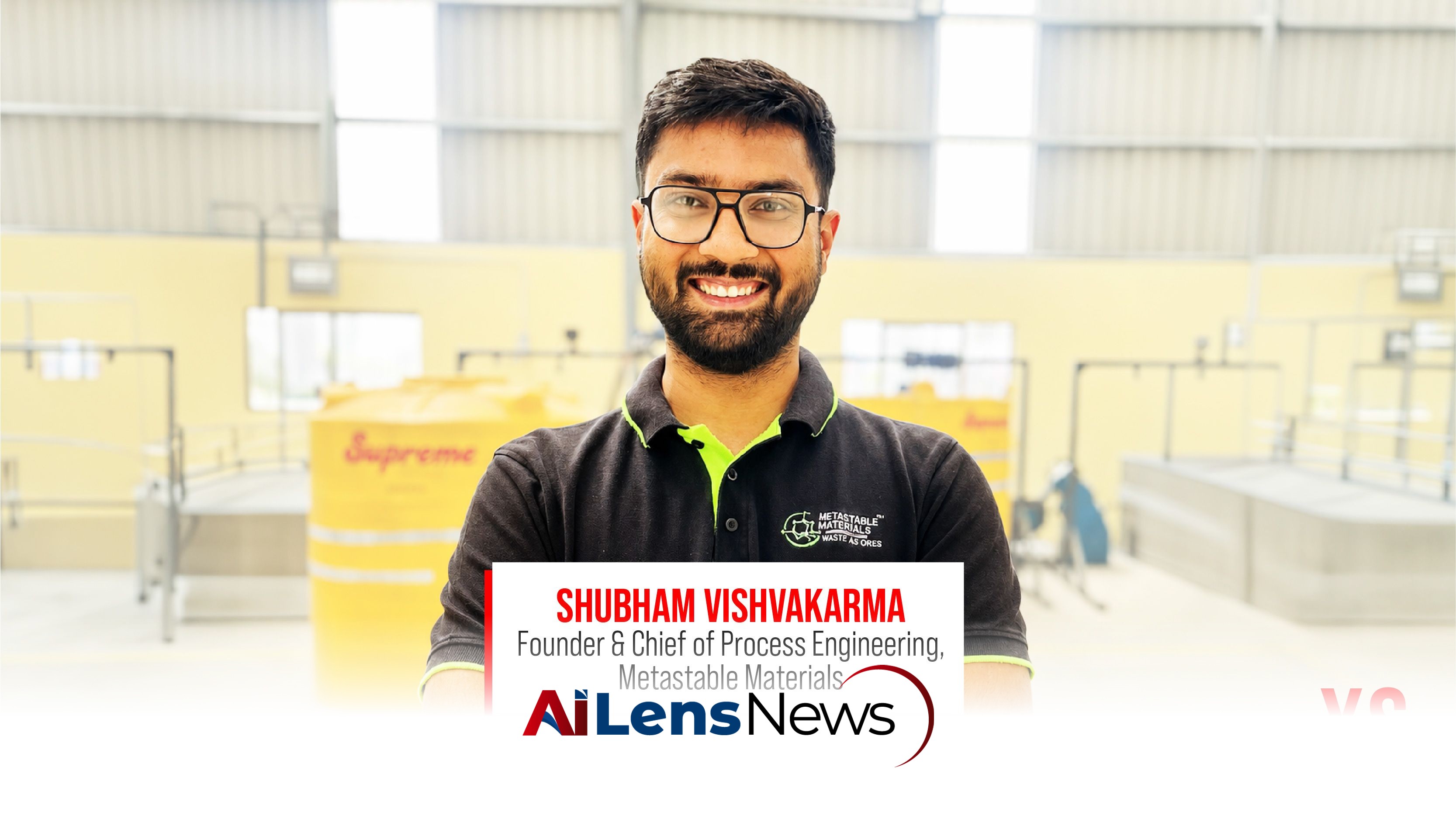


Metastable Materials is revolutionizing battery waste management in India by extracting valuable metals from spent batteries, addressing both environmental and industrial needs.
New Delhi, India Jul 16, 2026 ALN: India faces a critical challenge in managing the growing volume of spent lithium-ion batteries, which contain valuable metals. As the country embraces electric mobility and renewable energy solutions, the demand for lithium-ion batteries has surged. This increase in battery usage has led to a corresponding rise in battery waste, presenting both an environmental challenge and an opportunity for innovation. Bengaluru-based startup Metastable Materials is addressing this issue by transforming what is often considered waste into refined commodity metals, thereby contributing to a more sustainable future.
Founded in October 2021 by Shubham Vishvakarma and Manikumar Uppala, both graduates of IIT Roorkee, Metastable Materials operates on the principle that spent batteries are not waste but rather ore to be refined. The company specializes in extracting lithium, cobalt, nickel, copper, and aluminium from these batteries, selling them as high-purity metals. This innovative approach not only reduces the environmental impact of battery disposal but also helps in conserving natural resources by recycling valuable materials that would otherwise be mined.
Metastable Materials employs a unique end-to-end process that begins with the procurement of spent batteries, which are then dismantled and refined. The dismantling occurs underwater, significantly reducing the risk of fire and toxic gas emissions associated with traditional methods. This process not only enhances safety but also ensures that the valuable metals are extracted in a more environmentally friendly manner.
At the heart of their operation is a patented reaction known as Integrated Carbothermal Reduction, which sets Metastable apart from conventional recycling methods. Unlike typical processes that rely on external chemicals to separate metals, Metastable’s method utilizes the materials within the battery itself to facilitate the reaction. This self-sustaining process minimizes the need for additional chemical inputs, thereby reducing costs and environmental impact.
Once the reaction is complete, the individual metals are separated based on their physical properties. For instance, lithium is dissolved in water, copper is recovered under pressure, and nickel and cobalt are separated using magnetism. This innovative approach has led to the development of specialized machinery, much of which is designed and built in-house by the Metastable team. The ability to create custom machinery allows for greater flexibility and efficiency in the recycling process, enabling the company to adapt to various battery chemistries and designs.
Metastable’s refined metals cater to a diverse customer base beyond just the battery industry. Lithium is sold to manufacturers in sectors such as glass, ceramics, cement, and grease. Nickel primarily serves the stainless-steel industry, while cobalt is utilized in pigment manufacturing and magnet production. Copper is directed towards casting and bus bar manufacturing, and aluminium finds its way into automotive applications. This diversification of markets not only ensures a steady demand for their products but also contributes to the overall sustainability of various industries by providing recycled materials.
The company sources spent batteries from various suppliers, including local scrap dealers and major OEMs in the two-wheeler and four-wheeler sectors. Metastable collaborates closely with these suppliers to ensure compliance with logistics and safety standards during transportation. This collaboration is crucial in building a reliable supply chain, which is essential for scaling operations and meeting the increasing demand for recycled metals.
Before scaling up supply, Metastable works with customers to establish product specifications, ensuring that the metals meet industry purity and contamination requirements. This attention to detail not only enhances customer satisfaction but also positions Metastable as a trusted supplier in the competitive market of recycled metals.
Metastable has successfully completed two rounds of funding, with the initial pre-seed round in January 2022 led by Akshay Singhal and Kartik Hajela of Log9 Materials, followed by a seed round in 2023 from Surge, Speciale Invest, Theia Ventures, and Climate9ers. Although the funding amounts remain undisclosed, the capital has been instrumental in establishing two factories, filing patents, and expanding the team to over 50 employees. This financial backing not only supports operational growth but also reinforces investor confidence in the viability of battery recycling as a sustainable business model.
The company’s Bengaluru facility currently has a processing capacity of 1,500 tonnes per year and has seen a doubling of utilization every quarter over the last three quarters. Vishvakarma aims for an operational capacity of 80% to 90% in the near future. This ambitious growth trajectory reflects the increasing recognition of the importance of battery recycling in the context of global sustainability goals.
According to the IMARC Group, the global battery recycling market was valued at $18 billion in 2025 and is projected to reach $32.9 billion by 2034. This growth is driven by factors such as the rising demand for electric vehicles, stringent regulations on battery disposal, and the increasing focus on resource recovery. In India, Metastable competes with other players such as Attero Recycling, Lohum, BatX Energies, and Tata Chemicals. The competitive landscape highlights the urgency and significance of developing efficient recycling technologies to meet the growing demand for recycled materials.
Looking ahead, Metastable is focused on scaling its operations. The company operates one office and two factories: a facility in Bengaluru’s Harohalli Industrial Area and another in Delhi, strategically located near battery feedstock sources. Plans for further expansion are already underway, with site scouting in progress across Rajasthan. This geographic expansion is crucial for enhancing supply chain efficiency and ensuring that Metastable can meet the increasing demand for recycled metals across India.
As Metastable continues to innovate and develop new processes, the emphasis remains on scaling production capabilities. With a commitment to sustainability and efficiency, the company is poised to play a significant role in the future of battery recycling in India. The implications of their work extend beyond just economic gains; they contribute to reducing the environmental impact of battery waste, promoting circular economy principles, and supporting India's transition to a more sustainable energy landscape.
In conclusion, Metastable Materials is at the forefront of a critical movement towards sustainable battery recycling in India. Their innovative processes, commitment to quality, and strategic partnerships position them well to address the challenges posed by the growing volume of spent lithium-ion batteries. As the global demand for recycled metals continues to rise, Metastable's efforts could serve as a model for similar initiatives worldwide, demonstrating that waste can indeed be transformed into valuable resources.
To learn more about the latest developments in Founders' Stories, stay updated with our exclusive reports and analyses on AiLensNews.

