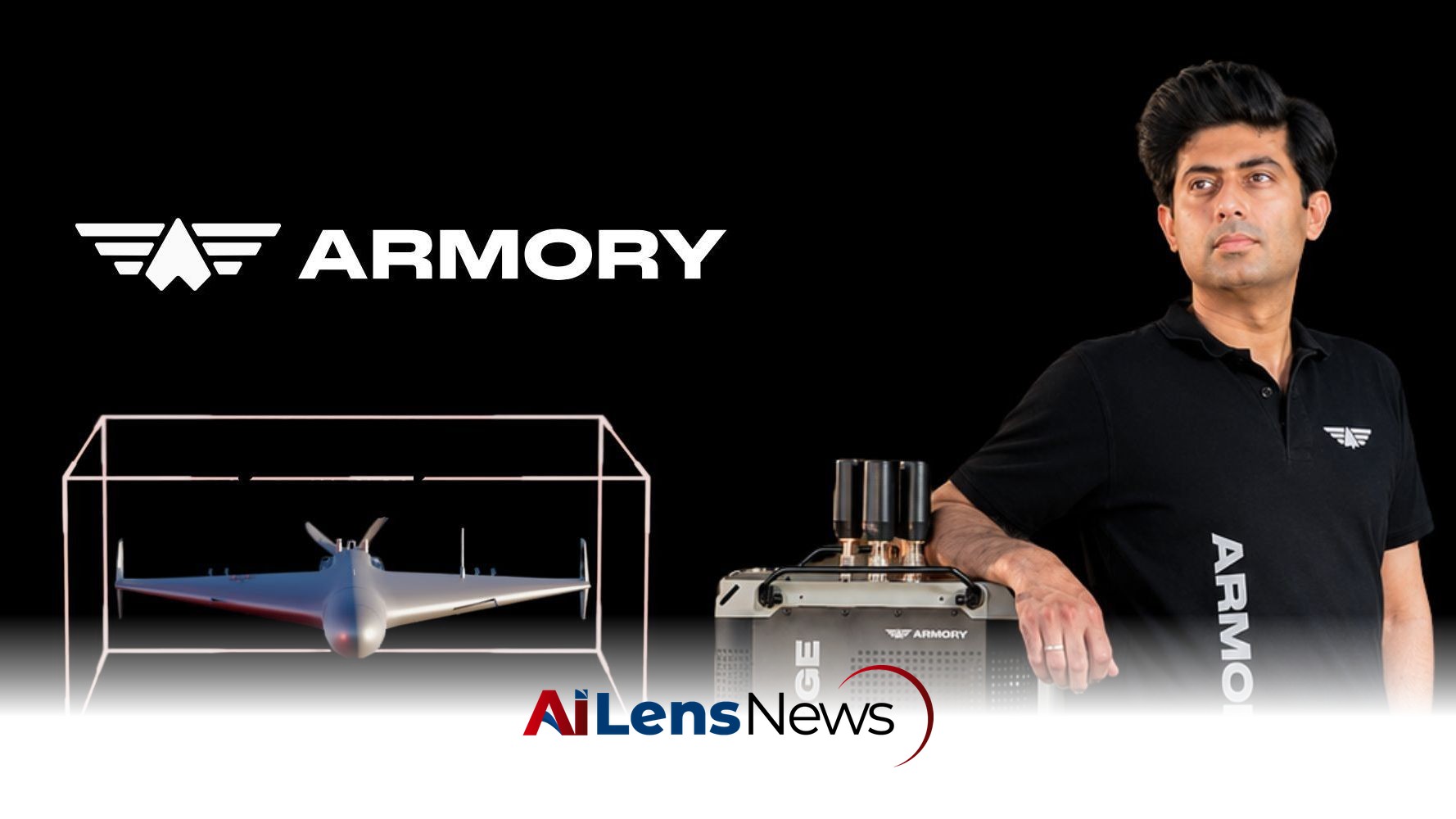


Gurugram-based startup Armory has developed an AI-driven counter-drone system, SURGE, and secured a significant contract from the Ministry of Defence.
New Delhi, India Jul 17, 2026 ALN: Affordable drones have become one of the defining weapons of modern warfare, and stopping them has now become a substantial problem: a rogue quadcopter costing a few hundred dollars can threaten a base, a border post, or a power plant. The proliferation of drone technology has changed the landscape of conflict, allowing non-state actors and smaller nations to leverage these inexpensive aerial vehicles for surveillance, reconnaissance, and even attacks. This has led to an urgent need for effective counter-drone systems that can detect, track, and neutralize these threats before they can cause harm. Armory, a Gurugram-based startup founded in 2024, builds the systems meant to counter them — detecting, tracking, and neutralizing hostile drones.
The company was founded by Amardeep Singh, an aerospace engineer by profession, who was motivated by the frustrations surrounding India's defense hardware sector. Despite India’s software industry making significant strides on the global stage, the defense hardware segment remained stagnant, leaving frontline forces reliant on imported technologies or outdated equipment. Singh's vision was to bridge this gap by developing indigenous solutions that could keep pace with advancements in software and technology.
Armory's operating principle, which the founder repeats often, was to build hardware at the speed of software. By its own account, it did: its counter-drone system went from a paper prototype to field trials with Army regiments in six months— a pace almost unheard of in defense procurement, where timelines are usually measured in years. This rapid development cycle highlights not only the agility of a startup but also the pressing need for innovative solutions in a rapidly evolving battlefield environment.
At the core of Armory's offering is SURGE, an indigenous counter-unmanned-aircraft system, or C-UAS. This system combines radio-frequency detection, AI-driven tracking, and physical neutralization methods to locate and eliminate hostile drones. The integration of advanced technologies such as artificial intelligence and machine learning into military applications has become increasingly important, as these tools can enhance situational awareness and response times in critical scenarios.
At its core is the Samaritan OS, a defense operating system that Armory built in-house. The company claims that this operating system scans the environment millions of times per second and continually learns new radio-frequency signatures to keep its threat library up to date. This adaptability is crucial in the realm of counter-drone technology, where the types of threats can change rapidly. The ability to recognize and respond to new drone models and tactics is a significant advantage over traditional systems.
That last point is the pitch against imported, off-the-shelf systems, which tend to ship with fixed threat libraries. A counter-drone system is only useful for as long as it recognizes what it is looking at, and drones change constantly. This dynamic nature of drone technology necessitates a system that can evolve. “Most legacy systems are static,” the founder said. “Samaritan OS learns, adapts, and evolves, just like the threats it counters.” However, getting there was not smooth. The team has been candid about the prototyping grind, from semiconductor and circuit-board delays that pushed it to manufacture in-house, to the difficulty of writing a software toolchain with few existing models to build on.
Armory primarily sells to the Indian defense establishment, and it has moved unusually fast for a hardware company. In May 2026, it disclosed three contracts from the Ministry of Defence totaling ₹100 crore for SURGE. This contract was awarded after a series of rigorous field evaluations, which the founder called “arguably the largest defense contract won so quickly by a startup this young.” The significance of this achievement cannot be overstated, as it demonstrates a shift in the Indian defense landscape towards supporting homegrown innovations.
The system has been demonstrated to multiple army regiments, and Armory claims that each deployment was shaped by direct input from the units that would use it. This user-centric approach not only enhances the effectiveness of the system but also fosters trust and collaboration between the military and defense contractors. The company now operates an R&D center in Manesar and has grown to approximately 18 employees, indicating a commitment to scaling operations in line with increasing demand.
Since its inception, Armory has raised about ₹35 crore in equity, including a ₹13 crore round in June 2025, led by growX ventures, with Antler, Industrial 47, AC Ventures, and Dexter Ventures among the backers. The interest from investors reflects a growing confidence in the Indian defense-tech sector, which has gained traction in recent years. The company plans another funding round later in 2026 to support its expanding hardware portfolio and other growth initiatives. This influx of capital comes at a time when Indian defense-tech has started to attract significant attention and investment, fueled by government support and a reordering of priorities following recent border tensions.
The overwhelming share of the capital raised by the sector over the past decade came in 2025 alone, highlighting a pivotal moment for Indian defense startups. The government’s push for self-reliance in defense manufacturing, encapsulated in initiatives like 'Make in India', has created a conducive environment for innovation and investment. Armory's next technical step is to transition from merely detecting and disabling drones to physically destroying them. This advancement is crucial as the nature of threats evolves, and the capacity to neutralize drones effectively can significantly enhance security measures.
In addition to its technical advancements, Armory aims to further its overseas defense partnerships under a ‘make-in-India, made-for-the-world’ banner. This global outreach is essential for scaling operations and tapping into international markets, which could lead to strategic alliances and collaborations that enhance technological capabilities. As the geopolitical landscape continues to shift, the ability to collaborate with other nations on defense technology could provide India with a competitive edge in the global defense arena.
The implications of Armory’s success extend beyond the company itself. It signifies a broader trend within the Indian defense ecosystem where startups are increasingly recognized as vital contributors to national security. As these companies continue to innovate and deliver solutions that address contemporary threats, they may play a crucial role in shaping the future of India’s military capabilities. The emphasis on indigenous development, coupled with the integration of cutting-edge technology, positions India to become a significant player in the global defense market.
In conclusion, Armory's rapid ascent in the defense sector underscores the potential of startups to drive innovation and change within traditional industries. As the company continues to refine its technology and expand its reach, it stands as a testament to the possibilities that lie ahead for India's defense landscape. The journey of Armory may inspire other entrepreneurs to venture into the defense sector, fostering a culture of innovation and self-reliance that could transform India's military capabilities in the years to come.
(This story has been researched and compiled using publicly available information.)
To learn more about the latest developments in Funding & Investments, stay updated with our exclusive reports and analyses on AiLensNews.

