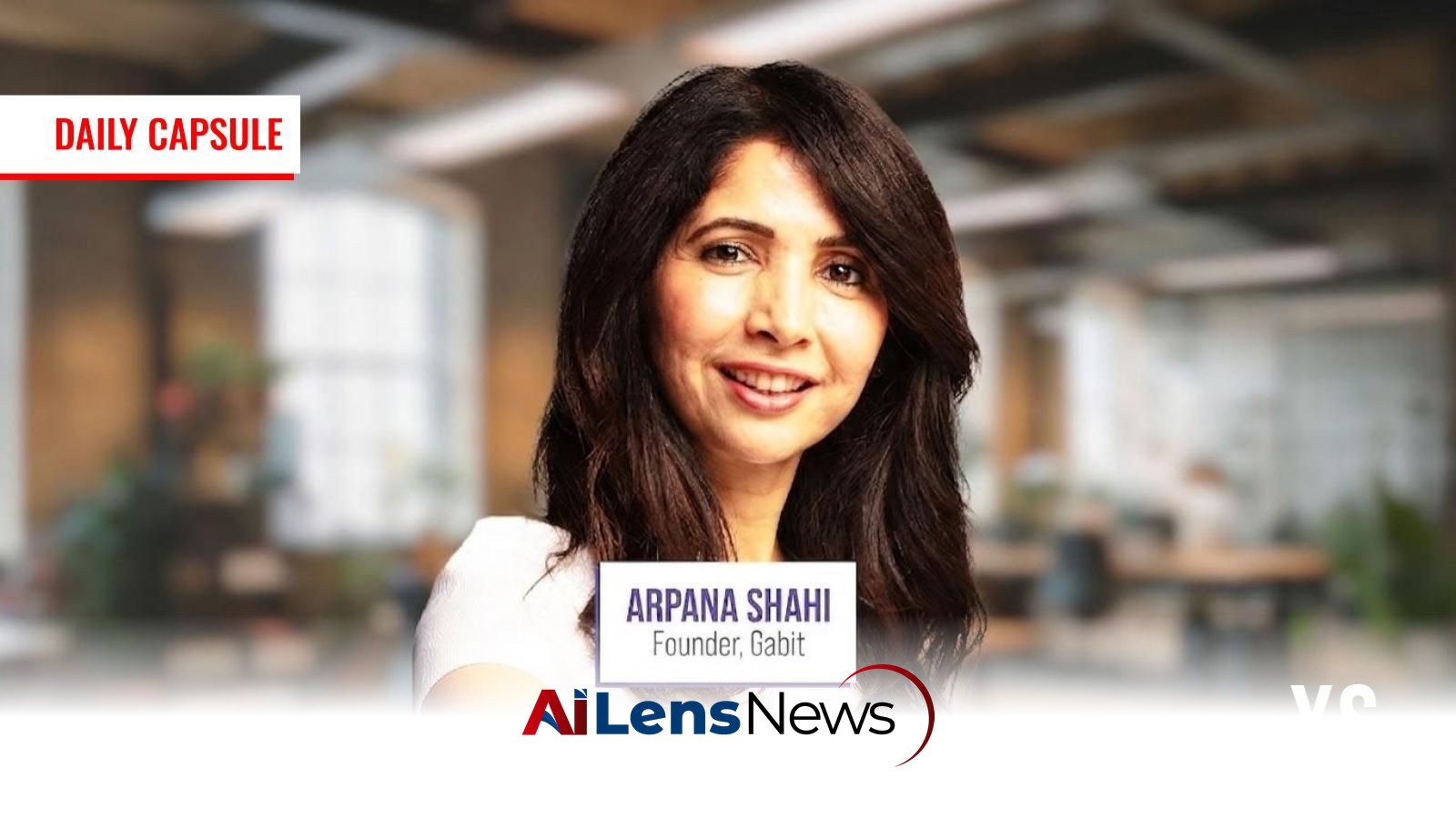


Gabit, founded by Arpana Shahi and Gaurav Gupta, is creating a preventive healthcare ecosystem centered around an AI-powered smart ring, while precision hiring gains traction in the job market.
New Delhi, India Jul 7, 2026 ALN: Hello,
AI is giving consumer products a makeover.
Cosmetics company L’Oreal recently used AI to identify molecules from its skincare products that could be repurposed for a collagen shampoo. Brands like Nestle, Cadbury, and Toblerone are also using AI to test ingredients, create recipes, address supply chain gaps, and enhance processes. This integration of AI into consumer products is part of a broader trend where technology is being leveraged to improve product development and enhance customer experiences.
In other news, actor and entrepreneur Kunal Kapoor has launched MetaGO, a doctor-led metabolic health platform, based on the belief that India’s rising burden of obesity and related metabolic diseases requires continuous medical care rather than short-term weight-loss interventions. This initiative reflects a growing awareness of the importance of addressing health issues through sustainable and long-term strategies rather than quick fixes.
MetaGO aims to combine specialist consultations, diagnostics, clinically appropriate GLP-1 therapies, nutrition guidance, and long-term clinical monitoring. This comes at a time when demand for evidence-based obesity treatment is growing, highlighting the urgent need for innovative healthcare solutions that can effectively tackle the obesity epidemic in India and beyond.
Meanwhile, beauty and fashion platform Nykaa is optimistic about its first quarter performance, expecting nearly a 30% net revenue growth in Q1 of FY2026-27, driven by a sharp acceleration in its fashion business. The company attributes the growth of its core platform business to a wider brand assortment and recent marketing investments, which have translated into new customer acquisitions. This growth is indicative of changing consumer behaviors and preferences, particularly in the aftermath of the pandemic, where online shopping has become increasingly prevalent.
Lastly, Next Bharat Ventures, backed by Japan’s Suzuki Motor Corporation, has announced its second fund of Rs 2,000 crore. The fund aims to support startups across sectors, including agriculture, financial inclusion, healthcare, and AI for social good in India. This initiative underscores the growing investment interest in sectors that contribute to social and economic development, particularly in emerging markets like India.
In today’s newsletter, we will discuss:
Here’s your trivia for today: Which beauty brand started out by selling books?
From an AI-powered smart ring that tracks key health metrics to a platform that analyses over 150 biomarkers, Gabit, founded by Arpana Shahi and Gaurav Gupta, is building a preventive healthcare ecosystem. The founders' journey began during the pandemic, a period that forced many to confront their health and well-being. Arpana Shahi's realization that the healthcare conversation was predominantly focused on treatment rather than prevention was a pivotal moment that led to the inception of Gabit.
This observation led to the birth of Gabit with a smart ring at its core. The smart ring is designed to be more than just a fitness tracker; it serves as a comprehensive health monitoring tool that empowers users to take control of their health proactively. By focusing on prevention, Gabit aims to shift the paradigm of healthcare from reactive to proactive, which could lead to better health outcomes and reduced healthcare costs over time.
What Gabit does:
The implications of Gabit’s approach are significant. By providing users with comprehensive data about their health, Gabit not only empowers individuals to make informed decisions but also contributes to a broader understanding of health trends. This data can potentially be utilized for research purposes, leading to advancements in preventive medicine and personalized healthcare solutions.
As the healthcare landscape continues to evolve, platforms like Gabit are at the forefront of a movement that prioritizes prevention over treatment. This shift could lead to a more sustainable healthcare model, where individuals take active roles in managing their health, ultimately reducing the burden on healthcare systems.
The Indian employment landscape is undergoing a fundamental reset as organisations move away from the old model of high-volume recruitment towards a more surgical approach known as precision hiring, according to a report by upGrad Rekrut, the talent acquisition and staffing arm of edtech company upGrad. This shift is indicative of the changing dynamics of the job market, where the demand for specialized skills is growing rapidly.
The focus for 2027 is not just on finding more people but also on securing the right specialised talent at speed to navigate a rapidly changing economic environment, the report states. The emphasis on precision hiring reflects a broader trend where employers are seeking candidates who not only fit the technical requirements of a role but also align with the company’s culture and values.
Changing Landscape:
As businesses navigate these changes, the need for effective talent acquisition strategies has never been more critical. Companies that prioritize precision hiring are likely to create more cohesive teams and improve overall productivity, which can lead to a competitive advantage in the marketplace.
Which beauty brand started out by selling books?
Answer: Avon
We would love to hear from you! To let us know what you liked and disliked about our newsletter, please mail.
If you don’t already get this newsletter in your inbox, here. For past editions of the Buzz, you can check our Daily Capsule page here.
To learn more about the latest developments in Startup Sectors & Industries, stay updated with our exclusive reports and analyses on AiLensNews.

