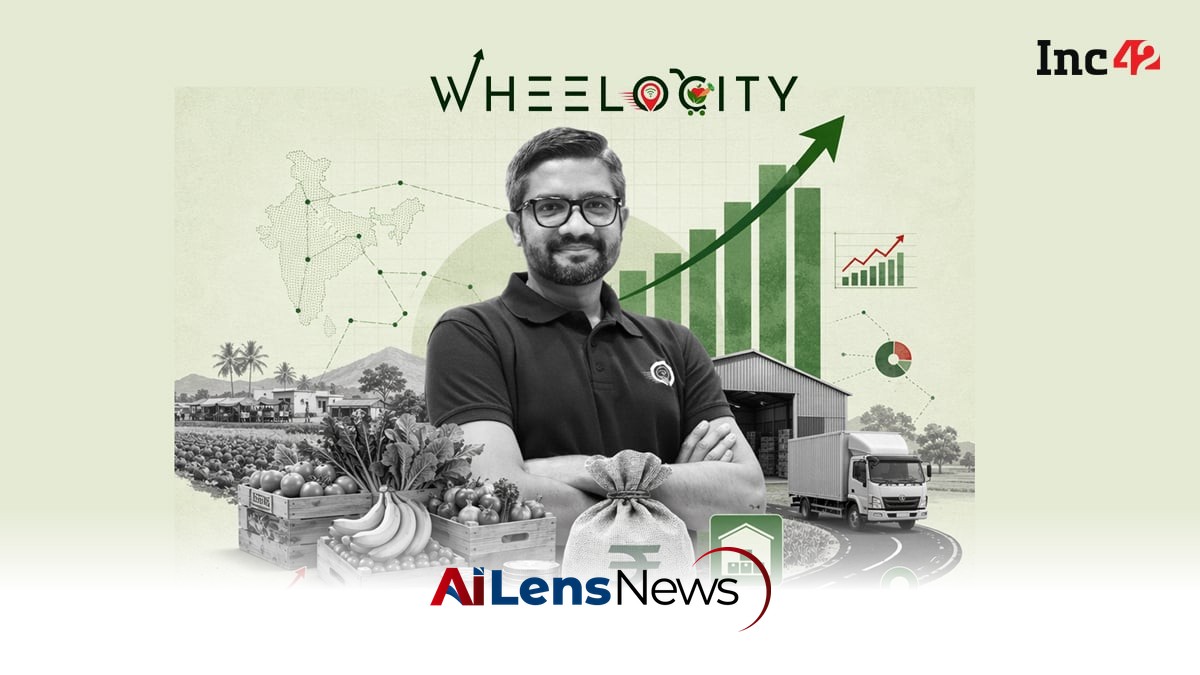


Rural commerce startup Wheelocity has raised over ₹82 Cr (about $8.5 Mn) in an ongoing funding round from new and existing investors.
New Delhi, India Jul 9, 2026 ALN: Rural commerce startup Wheelocity has successfully raised over ₹82 Cr (approximately $8.5 million) in an ongoing funding round that has attracted interest from both new investors and existing backers, as well as a variety of angel investors. This significant financial boost highlights the increasing investor confidence in the rural commerce sector, which has been gaining traction in recent years as more startups focus on addressing the unique challenges faced by rural markets in India.
According to filings with the Ministry of Corporate Affairs (MCA), Wheelocity has raised a total of ₹82.36 Cr across three funding tranches. In March, the startup secured ₹16.32 Cr from notable investors including Lightspeed India Partners III LLC, LS Opportunities Access Fund LP, Grand Anicut Fund 3, and Magnum LLC. Additionally, it raised ₹11.05 Cr from a group of angel investors including VML Karthikeyan, Lakshmi Narayanan Senthilnathan, V.M. Lakshminarayanan, L. Gurusami, and Unimix LLC through two separate transactions.
The most recent funding tranche, completed in June, brought in ₹54.99 Cr from EE-FI (Elevar Equity) AIF, represented by its trustee Vistra ITCL (India) Limited. Despite the ongoing funding round, Wheelocity's founder and CEO, Selvam VMS, has chosen not to comment on inquiries regarding the specifics of the funding, indicating that discussions are still in progress.
Founded in 2021 by Selvam, Senthil Kumar A, and Amresh Singh, Wheelocity is positioned as a phygital commerce startup that aims to create a technology-driven network for delivering fresh produce and grocery products to semi-urban and rural markets across India. This dual approach of combining physical and digital commerce is becoming increasingly relevant as consumers in rural areas seek more convenient access to essential goods. The term "phygital" itself reflects the blending of physical and digital experiences, which is essential for enhancing consumer engagement and satisfaction.
In a notable shift, Singh, who held the position of chief product officer (CPO) at Wheelocity, departed from the company in 2023 and subsequently took on a role as an operations manager at Amazon in January 2024, as indicated by his LinkedIn profile. Such transitions are not uncommon in the startup ecosystem, where talent often circulates between emerging companies and established giants. This movement of personnel can bring new insights and strategies to established firms, while also allowing startups to innovate more rapidly.
Wheelocity began its journey as a B2B supply chain partner for various ecommerce and quick commerce platforms, including Blinkit, Swiggy Instamart, and Zepto. However, recognizing a significant "access problem" in rural India, the startup pivoted to a consumer-facing model in October 2023. This strategic shift underscores the importance of adaptability in the fast-evolving landscape of ecommerce, particularly in underserved markets. The pivot reflects a broader trend in the industry where companies are increasingly focusing on direct-to-consumer models to enhance customer relationships and drive growth.
Today, Wheelocity operates a hybrid online-offline commerce model, which allows consumers to place orders through its mobile application or purchase products directly from branded electric carts that operate within villages. This model not only enhances accessibility for rural consumers but also leverages the growing penetration of mobile technology in these areas. With mobile internet access becoming more widespread, rural consumers are increasingly able to engage in online shopping, making it essential for companies like Wheelocity to meet this demand.
Central to Wheelocity's operations is a zero-inventory, pitstop-based "flow-through" supply chain model. This innovative approach involves sourcing produce directly from farmers, routing it through local hubs, and ensuring that products are sold within 24 hours of harvest. This method is particularly significant as it helps minimize food wastage, a critical issue in the agricultural sector where a substantial percentage of produce is lost before reaching consumers. The efficiency of this model not only benefits consumers with fresher products but also supports farmers by providing them with a reliable market for their goods.
To further enhance its operational efficiency, Wheelocity employs AI-powered demand forecasting, route optimization, and real-time tracking technologies. These tools assist in improving inventory planning and delivery efficiency, which are crucial for meeting the demands of a dynamic market. Additionally, the startup's last-mile logistics are supported by an electric vehicle (EV) fleet, which not only aids in distribution but also aligns with the growing emphasis on sustainability in business practices. The use of EVs is particularly relevant in the context of India's commitment to reducing carbon emissions and promoting green technologies.
Wheelocity claims to serve more than 5 lakh households across over 3,300 villages, employing over 1,500 rural workers. The company's EV fleet reportedly travels over 1 lakh kilometers every day, showcasing its commitment to efficient and eco-friendly logistics solutions. This scale of operations demonstrates Wheelocity's potential to significantly impact rural economies by providing employment opportunities and facilitating access to essential goods.
The current funding round comes almost two years after Wheelocity raised $15 million (around ₹126.5 Cr) in its Series A2 round in 2024. That round was led by existing investor Lightspeed and included participation from Alteria Capital, Anicut Capital, and founder Selvam himself. The latest infusion of capital brings Wheelocity's total funding to more than $35 million to date, a testament to the growing interest in the rural commerce space. Such sustained investment reflects a broader recognition among investors of the potential for growth in rural markets, which have often been overlooked in favor of urban centers.
This investment surge is occurring against the backdrop of India's rapidly expanding ecommerce market, which is projected to grow from $165 billion in 2026 to $450 billion by 2032, achieving a compound annual growth rate (CAGR) of 22%. Such growth forecasts indicate a significant opportunity for startups like Wheelocity that are focused on tapping into the rural consumer base, which has historically been underserved by traditional retail and ecommerce channels. The increasing digital literacy and smartphone penetration in rural areas are likely to further accelerate this trend, providing a fertile ground for innovative business models.
In conclusion, Wheelocity's recent funding achievements reflect not only the startup's innovative approach to rural commerce but also the broader trends within India's ecommerce landscape. As the company continues to evolve and expand its operations, it stands to play a pivotal role in bridging the gap between urban and rural markets, ultimately contributing to the economic development of rural India. The ongoing support from investors underscores the potential of rural commerce as a viable and impactful business model in the coming years. As more startups enter this space, the competition will likely drive further innovation, benefiting consumers and producers alike in the rural ecosystem.
To learn more about the latest developments in Funding & Investments, stay updated with our exclusive reports and analyses on AiLensNews.

