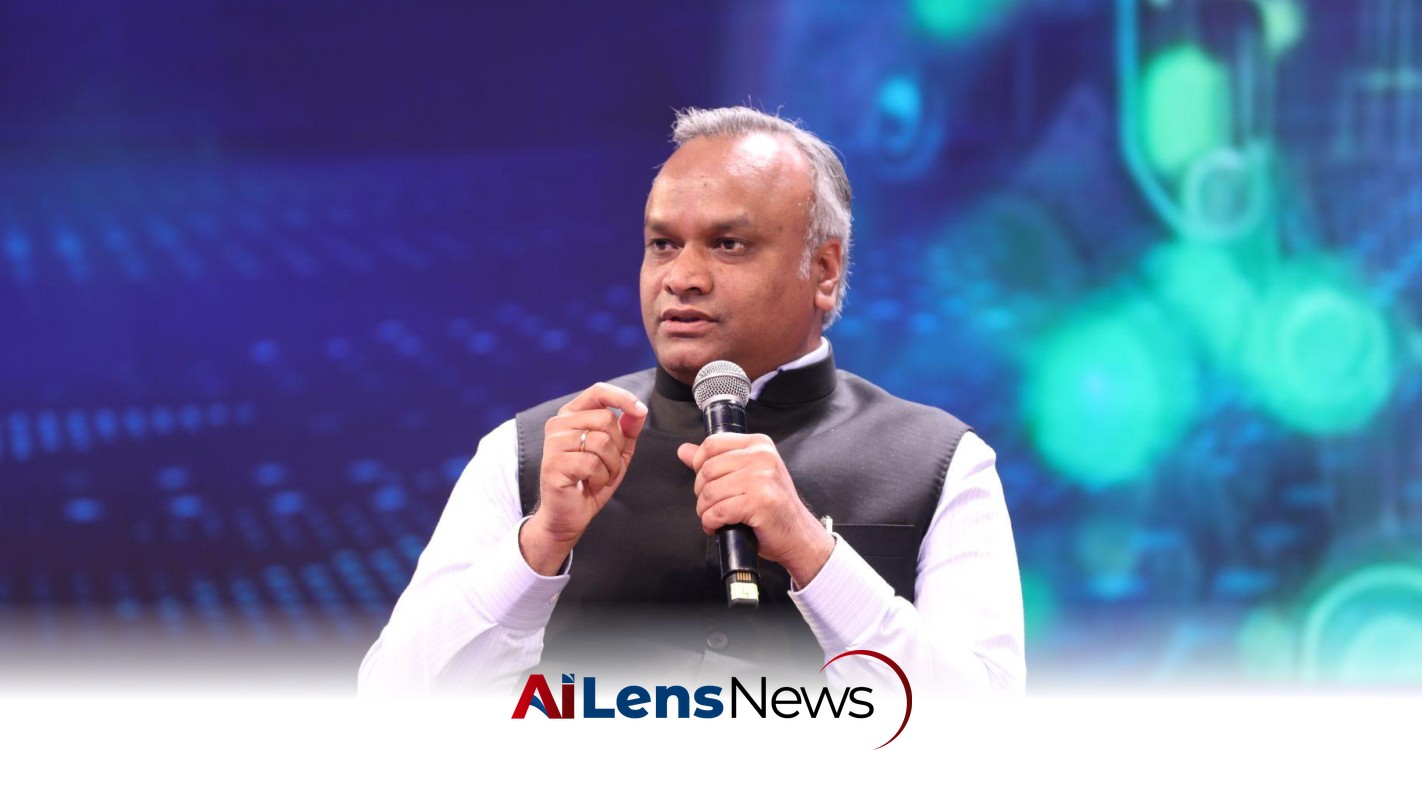


Karnataka Minister Priyanka Kharge highlights Bengaluru's dominance in the startup ecosystem, with 21 young entrepreneurs featured in the Avendus Wealth-Hurun U30 List 2026.
New Delhi, India Jul 4, 2026 ALN: Karnataka Minister Priyanka Kharge announced on Saturday that India's startup ecosystem is evolving rapidly, as evidenced by the latest Avendus Wealth-Hurun India U30 List 2026. Bengaluru continues to lead the way, showcasing its entrepreneurial spirit and innovation.
According to Kharge, Bengaluru tops the U30 List with 21 young entrepreneurs, a significant increase from just seven last year. This growth reflects the city's commitment to fostering a vibrant startup culture. The U30 List, which recognizes the most promising young founders under the age of 30, has become a benchmark for assessing the dynamism of India's entrepreneurial landscape. As the tech capital of India, Bengaluru has long been recognized for its contributions to innovation and technology, and this latest report underscores its status as a breeding ground for young talent.
In a statement on 'X', Kharge congratulated the young founders who are shaping the future of Karnataka. He emphasized that the startup ecosystem is becoming younger, increasingly driven by DeepTech, and more focused on hardware innovation. This shift towards a younger demographic is indicative of a broader trend within the Indian economy, where younger entrepreneurs are increasingly stepping into leadership roles and taking the initiative to address complex challenges through innovative solutions.
Kharge pointed out that 18 of the companies featured in the U30 List are headquartered in Bengaluru, marking it as the city with the highest representation in the country. This statistic not only highlights the concentration of talent within Bengaluru but also reflects the city's robust infrastructure, access to venture capital, and a supportive regulatory environment that encourages entrepreneurship. The presence of numerous incubators, accelerators, and co-working spaces further contributes to this ecosystem, providing aspiring entrepreneurs with the resources they need to launch and grow their ventures.
The Minister highlighted that the next wave of Indian startups is focusing on DeepTech and HardTech, with strong momentum in sectors such as AI, SpaceTech, Cybersecurity, and advanced manufacturing. DeepTech refers to technologies that are based on substantial scientific or engineering advances, often requiring significant R&D investment. This focus on advanced technologies is crucial for India, as it seeks to position itself as a global leader in innovation. The emphasis on sectors like AI and Cybersecurity is particularly relevant in the context of increasing digitalization and the need for robust security measures in an interconnected world.
Kharge described this trend as a testament to Bengaluru's world-class talent and collaborative innovation ecosystem. He stated, "As we continue to invest in deeptech, R&D, skilling, and founder-friendly policies, our focus remains on ensuring that Karnataka is the best place for ambitious entrepreneurs to build globally competitive companies." The government's commitment to fostering a supportive environment for startups is essential for maintaining the momentum of the entrepreneurial ecosystem. Investments in education and skill development are particularly important, as they ensure that the workforce is equipped with the necessary skills to thrive in a rapidly changing technological landscape.
The rise of young entrepreneurs in Bengaluru is not just a local phenomenon; it reflects a broader trend across India. The country has seen a surge in startup activity in recent years, driven by a combination of factors, including increased access to funding, a growing consumer market, and favorable government policies. Initiatives such as Startup India have played a crucial role in promoting entrepreneurship by providing financial support, mentorship, and networking opportunities for startups.
Moreover, the increasing interest from global investors in Indian startups has further fueled this growth. Many international venture capital firms are now looking to invest in Indian companies, attracted by the potential for high returns in a burgeoning market. This influx of capital has enabled startups to scale rapidly, innovate, and compete on a global stage.
However, the rapid growth of the startup ecosystem also presents challenges. As more young entrepreneurs enter the market, competition intensifies, and not all startups will succeed. The failure rate among startups is notoriously high, and many young founders face significant hurdles, including access to funding, market entry barriers, and the need for mentorship and guidance. It is essential for the government and private sector to continue supporting these entrepreneurs through initiatives that provide resources, mentorship, and networking opportunities.
In conclusion, the announcement by Minister Priyanka Kharge regarding Bengaluru's leading position in the Avendus Wealth-Hurun India U30 List 2026 highlights the city's vibrant startup ecosystem and the growing presence of young entrepreneurs. As Bengaluru continues to attract talent and investment, it is poised to remain at the forefront of India's innovation landscape. The focus on DeepTech and HardTech sectors underscores the importance of advanced technologies in shaping the future of the economy. With ongoing support from the government and a collaborative ecosystem, Bengaluru is set to nurture the next generation of entrepreneurs who will play a pivotal role in driving India's growth story in the coming years.
To better understand the significance of this development, it is crucial to consider the broader context of India's startup ecosystem. Over the past decade, India has emerged as one of the world's largest startup hubs, with thousands of new companies launching each year. The government has recognized the importance of this sector in driving economic growth and job creation, leading to the implementation of various initiatives aimed at supporting startups.
The Startup India initiative, launched in 2016, is one such program designed to foster entrepreneurship by providing a range of benefits, including tax exemptions, easier access to funding, and simplified regulatory processes. This initiative has been instrumental in creating a conducive environment for startups to thrive, enabling young entrepreneurs to focus on innovation without being bogged down by bureaucratic hurdles.
Additionally, Bengaluru's status as a tech hub is supported by its rich ecosystem of educational institutions, research centers, and established companies. The presence of prestigious institutions such as the Indian Institute of Science (IISc) and the Indian Institute of Management (IIM) Bengaluru contributes to a steady pipeline of skilled graduates who are well-equipped to tackle the challenges of the modern business landscape.
The rise of co-working spaces and incubators in Bengaluru has also played a significant role in nurturing startups. These spaces provide not only physical infrastructure but also networking opportunities and access to mentorship from experienced entrepreneurs and industry experts. This collaborative environment fosters creativity and innovation, enabling young founders to develop their ideas into viable businesses.
Furthermore, the increasing penetration of technology and the internet in India has created a vast market for startups to tap into. With a population of over 1.4 billion people, the potential customer base is enormous, and young entrepreneurs are leveraging digital platforms to reach consumers and scale their businesses. This has led to the emergence of a diverse range of startups, from e-commerce and fintech to healthtech and edtech.
As the startup ecosystem continues to evolve, it is also important to address the challenges that come with it. While the influx of funding has been a boon for many startups, it has also led to increased competition, with numerous players vying for market share. This competition can be fierce, and young entrepreneurs must be prepared to adapt and innovate continuously to stay relevant in a rapidly changing environment.
Moreover, the need for mentorship and guidance cannot be overstated. Many young founders may lack the experience and knowledge required to navigate the complexities of running a startup. Therefore, initiatives that connect young entrepreneurs with seasoned mentors can provide invaluable support and insights that can help them avoid common pitfalls and accelerate their growth.
In summary, Bengaluru's leading position in the Avendus Wealth-Hurun India U30 List 2026 is a reflection of the city's vibrant startup ecosystem and the increasing presence of young entrepreneurs. As the landscape continues to evolve, it is essential for all stakeholders, including the government, educational institutions, and the private sector, to work together to create an environment that nurtures innovation and supports the next generation of entrepreneurs. With the right support and resources, Bengaluru is well-positioned to continue its trajectory as a global leader in the startup space, driving India's economic growth and technological advancement in the years to come.
To learn more about the latest developments in Startup Ecosystem Trends, stay updated with our exclusive reports and analyses on AiLensNews.

