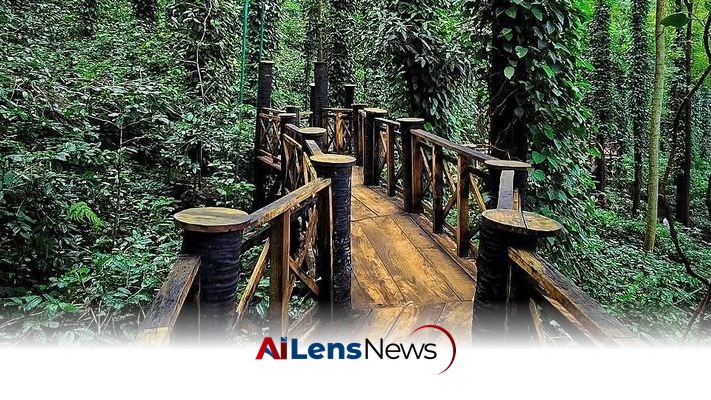


Andhra Pradesh aims to enhance tourism through AI with the NiVU platform, set to launch at over 100 destinations, following a strategic MoU with Xplore.
New Delhi, India Jul 7, 2026 ALN: Andhra Pradesh is poised to make history as it embarks on an ambitious initiative to become 'India's first' AI-powered tourism state. This groundbreaking endeavor was recently announced by the state's Tourism Minister, Kandula Durgesh, who emphasized the transformative potential of artificial intelligence in enhancing visitor experiences across the diverse tourist destinations within the region. The rollout of the NiVU AI platform is at the heart of this initiative, which aims to leverage cutting-edge technology to provide tourists with seamless access to information and services.
The announcement was made during the signing of a strategic Memorandum of Understanding (MoU) between the Andhra Pradesh Tourism Development Corporation (APTDC) and Xplore, a technology partner that specializes in AI solutions. This three-year partnership represents a significant step towards implementing the AI-powered tourism initiative on a statewide scale, and the collaboration is expected to bring innovative solutions that will redefine how tourists interact with the state's rich cultural and natural heritage.
"Andhra Pradesh is taking another historic step towards achieving the Swarna (golden) Andhra Vision-2047 by becoming India's first AI-powered tourism state," stated Durgesh in an official press release. The Swarna Andhra Vision-2047 is an ambitious roadmap that outlines the state's development goals, aiming to position Andhra Pradesh as a leading state in India by the centenary of its formation. The integration of AI into tourism is seen as a key component of this vision, as it aligns with the broader goals of enhancing economic growth, improving infrastructure, and promoting sustainable tourism practices.
The NiVU AI services are set to be introduced at more than 100 tourist destinations throughout Andhra Pradesh, following a successful pilot project conducted at Mangalagiri. This pilot project served as a testing ground for the AI platform, allowing stakeholders to assess its effectiveness and gather valuable user feedback. The positive reception from visitors during this pilot phase has laid the groundwork for a wider rollout, with initial plans to launch the platform at 30 major tourist destinations within the first year.
Tourists will have the ability to access a wealth of information about various attractions, including heritage sites, forts, beaches, and caves, simply by scanning a Quick Response (QR) code. This feature is designed to streamline the information-gathering process for visitors, enabling them to learn about the history, cultural significance, and unique characteristics of each site. The platform's AI capabilities will facilitate conversations in over 130 languages, allowing users to interact via voice or text without the requirement of downloading a dedicated application. This multilingual support is particularly significant in a diverse country like India, where linguistic variations can often pose barriers to communication.
Durgesh emphasized that the service will be available free of charge, making it accessible to all visitors regardless of their background or technological proficiency. By providing information about tourist destinations in the preferred language of the user, the NiVU AI platform aims to create a more inclusive and engaging travel experience. This initiative not only enhances convenience but also fosters a sense of connection between tourists and the local culture, as they can engage with the information in a language they understand.
Sharing his personal experience with the NiVU AI platform, Durgesh mentioned that he tested the system in Telugu and found its responses to be accurate and respectful. His endorsement of the platform highlights the importance of cultural sensitivity in AI interactions, as it is crucial for technology to resonate with the local populace and visitors alike. The initiative has already been receiving positive feedback from hundreds of devotees daily at the Mangalagiri pilot project, indicating a strong interest and appreciation for the enhanced visitor experience that the AI platform provides.
The implications of this initiative extend beyond just improving tourist experiences; it also positions Andhra Pradesh as a leader in the integration of technology within the tourism sector. As the state implements the NiVU AI platform, it may serve as a model for other regions in India and beyond, showcasing how technology can be harnessed to promote tourism while preserving cultural heritage. The initiative could potentially attract more visitors, thereby boosting local economies and creating job opportunities in the tourism and technology sectors.
Moreover, the use of AI in tourism aligns with global trends where technology is increasingly being utilized to enhance customer service and operational efficiency. As travelers become more tech-savvy and expect personalized experiences, the ability to provide instant access to information and services through AI will likely become a key differentiator for destinations vying for tourist attention. In this context, Andhra Pradesh's initiative could not only elevate its tourism profile but also contribute to the overall growth of the Indian tourism industry.
As tourism continues to evolve, the integration of AI technologies can significantly streamline operations for tourism boards and businesses. For instance, AI can assist in managing visitor flows at popular sites, thereby reducing congestion and enhancing the overall experience for tourists. Furthermore, the data collected through the NiVU platform can provide valuable insights into tourist preferences and behaviors, enabling stakeholders to tailor their offerings and marketing strategies more effectively.
The significance of this initiative also lies in its potential to promote sustainable tourism practices. By leveraging AI, Andhra Pradesh can better manage its natural resources and cultural sites, ensuring that tourism development does not come at the expense of environmental conservation or community welfare. The use of technology in monitoring visitor impact on sensitive ecosystems can lead to more responsible tourism practices, which are increasingly demanded by conscientious travelers.
Additionally, the NiVU AI platform may serve as an educational tool, not only for tourists but also for local communities. By providing information about local customs, traditions, and conservation efforts, the platform can foster greater appreciation and respect for the region's cultural and natural heritage among visitors. This educational aspect can enhance the overall visitor experience while also empowering local communities to engage more actively in tourism development.
In conclusion, Andhra Pradesh's ambition to become India's first AI-powered tourism state represents a significant leap towards modernizing the tourism experience. The NiVU AI platform is set to transform how visitors interact with the state's rich array of attractions, making travel more accessible, informative, and enjoyable. As the initiative unfolds, it will be essential to monitor its impact on tourism dynamics, visitor satisfaction, and the broader implications for economic development in the region. The success of this project could pave the way for further innovations in tourism, setting a precedent for other states to follow in the quest for a more technologically integrated and visitor-friendly environment.
To learn more about the latest developments in Startup Ecosystem Trends, stay updated with our exclusive reports and analyses on AiLensNews.

