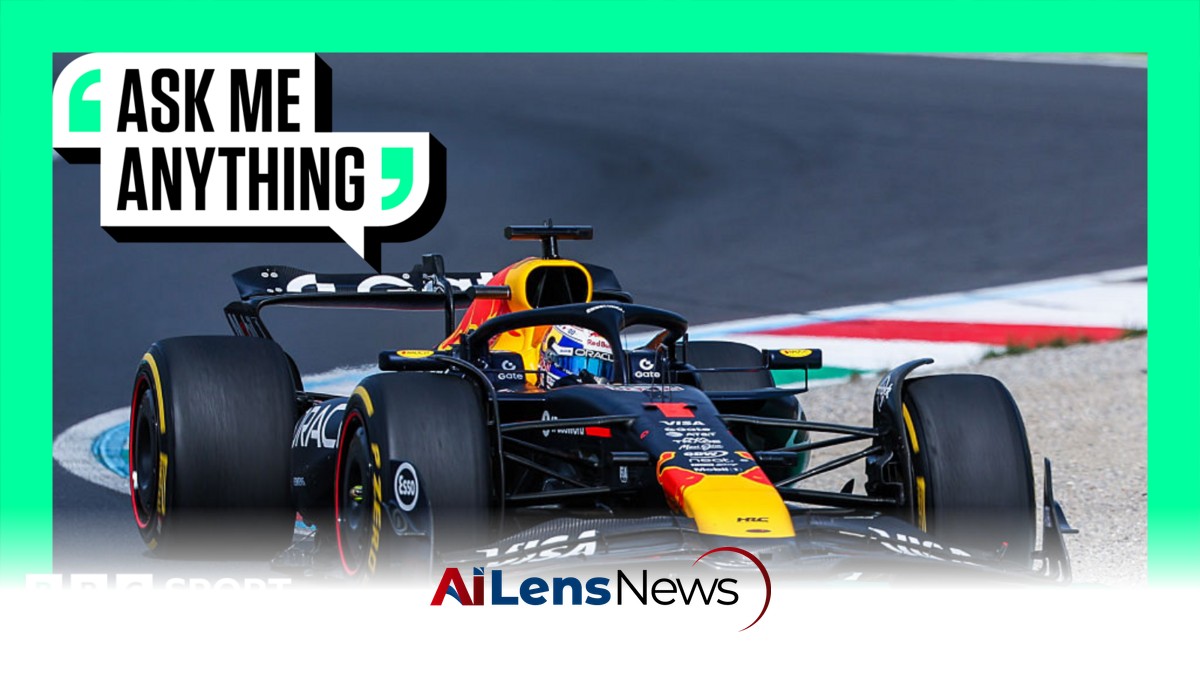


A super licence is essential for drivers to compete in 1, requiring specific qualifications and points from recognized championships.
New Delhi, India Sep 10, 2025 ALN: To be able to compete in the 1 Championship, a driver must have a super licence.
This licence serves as a qualification to enter 1 (F1), issued by the governing body, the Fédération Internationale de l'Automobile (FIA). The super licence is not merely a formality; it represents the culmination of a driver's skills, experience, and understanding of the , ensuring that only the most qualified individuals can compete at this elite level.
The FIA issues several different licences for various motor competitions, including endurance racing and karting. However, the F1 super licence is considered the top-tier licence, reflecting the high stakes and complexities involved in 1 racing.
Several factors must be satisfied for a driver to qualify for a super licence, as outlined in the FIA's International ing Code. This code is a comprehensive set of regulations that govern the conduct of motor events globally, ensuring safety and fairness. The requirements for obtaining a super licence are stringent, designed to ensure that drivers possess not only the necessary driving skills but also a solid understanding of the technical and regulatory aspects of 1.
To be eligible for a super licence, a driver must:
Hold an FIA-issued International Grade A licence, which signifies a high level of competence in motor.
Be at least 18 years old, although exemptions may be granted for drivers aged 17 under certain conditions.
Pass a knowledge theory test that covers the International ing Code and the specific regulations governing 1 racing.
Complete at least 80% of two separate seasons in a single-seater championship that is approved by the FIA.
Accumulate a minimum of 40 points overall from a two or three-year period, based on performance in various recognised racing series.
Once a driver has held a valid super licence for three seasons, they become eligible for a new one after completing 100 kilometers in a free practice session. This provision allows experienced drivers to maintain their eligibility without having to repeat the entire qualification process. The FIA will evaluate whether a driver can obtain a new licence if they have not held a valid one for more than three years, which underscores the importance of staying active and competitive in motor.
It is noteworthy that prior to 2024, drivers were required to have an ordinary driver's licence in addition to the super licence. This requirement has since been eliminated, streamlining the process for aspiring F1 drivers.
A driver must accumulate a minimum of 40 points over a two or three-year period to qualify for an F1 super licence. Points can be earned through participation in a variety of FIA-recognised championships. The points system is structured to reward drivers based on their performance and ranking within these competitions, encouraging them to compete at the highest levels possible.
The championships that contribute to the accumulation of super licence points include prestigious series such as 2 (F2), 3 (F3), E (FE), and the F1 Academy, as well as other notable competitions like IndyCar, the World Endurance Championship, and NASCAR. The diversity of these series allows drivers from different backgrounds and racing disciplines to qualify for a super licence.
The allocation of points varies depending on the championship and the driver's finishing position. For example, the top three finishers in F2 receive 40 points, while the champion in IndyCar is awarded 40 points, with second and third place earning 30 and 20 points, respectively. In F3 and FE, the champion receives 30 points, second place gets 25 points, and third earns 20 points. This tiered system incentivizes drivers to achieve higher placements in their respective series.
Additionally, drivers who hold a 'free practice only' super licence can earn points by completing 100 kilometers during F1 practice sessions. This provision allows them to gain valuable experience in a 1 car, which is crucial for their development as drivers.
To obtain this specific licence, a driver must meet the same age and qualification requirements as for the standard super licence, including holding a Grade A licence, passing the FIA theory test, and either completing six races in F2 or accumulating 25 super licence points over three seasons. This pathway is particularly beneficial for younger drivers looking to transition into 1.
American driver Colton Herta was poised to join the Cadillac line-up in 1. However, the 25-year-old currently lacks sufficient points to qualify for a super licence. Herta has accumulated a total of 35 super licence points following his recent three seasons in IndyCar, which is below the required threshold.
Compounding his situation, Herta is set to lose one point next year due to the expiration of his 2023 results, which will reduce his total to 34 points. This situation highlights the challenges that drivers can face in meeting the stringent requirements for a super licence, even when they possess considerable talent and experience.
As a result, Herta will assume the role of test driver for Cadillac in 2026 while also competing in 2 after leaving IndyCar. This dual approach allows him to gain the necessary experience and points to qualify for a super licence. In F2, Herta will need to finish the season in the top eight to secure 40 points or more, which is essential for his eligibility to race in 1.
Thank you to Steve in Plymouth for your question.
This article is part of the Ask Me Anything initiative, which aims to clarify common queries and provide insight into the world of motor.
Ask Me Anything is a service dedicated to addressing your questions about motor and providing informative answers. Our goal is to reward your engagement by sharing knowledge and insights that may not be widely known while also refreshing your memory on key aspects of the .
The Ask Me Anything team leverages a network of experts and industry contacts to gather accurate and comprehensive information. We aim to answer your questions from the heart of the newsroom and offer behind-the-scenes perspectives on some of the world's most significant motor events.
Our coverage spans various platforms, including websites, apps, social media, and television, ensuring that fans have access to the information they seek.
To learn more about the latest developments in Formula 1 & Motorsports, stay updated with our exclusive reports and analyses on AiLensNews.

