

With six of the eight quarter-finalists from Europe, this article explores the reasons behind their success and historical context.
New Delhi, India Jul 8, 2026 ALN: Historically speaking, European teams don't do well at World Cups held outside of the continent.
Only twice since 1930 have they triumphed at such tournaments - Spain winning in South Africa in 2010 and Germany in Brazil four years later. This historical context is crucial in understanding the dynamics of the World Cup, particularly as it pertains to European teams' performance on foreign soil. The World Cup has often been perceived as a stage where teams from Europe struggle to adapt to different climates, cultures, and styles of play, especially when held in regions like South America or Asia.
However, the current tournament has seen a significant shift in this narrative, as evidenced by the strong performance of European teams. There is a strong chance that another country could be added to that list in 2026, with six of the eight teams in the quarter-finals from Europe. The teams that have advanced are Belgium, England, France, Norway, Spain, and Switzerland, with Argentina and Morocco completing the lineup. This marks a notable achievement, as it is the most European sides to have reached the last eight at a World Cup held outside of Europe since 1994, a year that also saw a significant shift in the global landscape.
The performance of European teams in this World Cup has demonstrated their resilience and adaptability. While they initially faced some challenges, with seven of the first ten European sides to play their first group stage games failing to win, they quickly turned things around. The early struggles can be attributed to various factors, including the intense heat in North America, which had been a topic of discussion leading up to the tournament. Teams like England prepared extensively, basing themselves in warmer areas to acclimatize before their opening fixtures. Despite these preparations, the initial results were disappointing.
Nevertheless, few managers pointed to the conditions as a reason for their slow starts. For instance, after Belgium kicked off with a draw, coach Rudi Garcia remarked, "Whether it is 10 degrees or 30 degrees, we should have done better," emphasizing the expectation placed on his team. Similarly, Switzerland's coach Murat Yakin highlighted his side's missed opportunities rather than the heat after they began with a 1-1 draw. As the tournament progressed, European teams found their rhythm, culminating in a robust record by the end of the group stage, with 17 wins, 12 draws, and only seven losses against non-European teams.
In the knockout stages, European nations continued to impress, showcasing their ability to handle adversity. England's challenging match against Mexico in the last-16 was a testament to their mental fortitude, as they had to contend with the altitude of the Azteca Stadium and a hostile crowd. Their ability to overcome these obstacles was highlighted by former England striker Wayne Rooney, who stated, "This has shown we have a team capable of winning the World Cup." Meanwhile, France faced Paraguay's tactical challenges and 'dark arts' but managed to progress to the last eight, while Belgium demonstrated their strength by overcoming co-hosts USA in their last-16 tie. They are set to face European champions Spain in the quarter-finals, further emphasizing the European dominance in this tournament.
Indeed, Europe was always likely to have a strong representation at this stage of the tournament, given that they are awarded 16 places for the World Cup - more than any other continent. This allocation reflects the historical strength of European , with many of the continent's leagues being among the most competitive in the world. However, the expansion of the tournament format to 48 teams, along with the introduction of an extra knockout round, adds layers of complexity to the competition. Despite these changes, the dominance of European teams has been impressive, particularly in light of the fact that five-time winners Brazil were knocked out, along with tournament co-hosts Canada, Mexico, and the USA, all of whom exited in the last 16.
European teams also dominate the FIFA world rankings, with five of the top eight ranked teams hailing from Europe. This ranking system is indicative of the overall quality and depth of talent within European , as four of these teams reached the last eight. Portugal, ranked seventh, was eliminated by Spain in an all-European last-16 tie, underscoring the competitiveness of the teams within the continent. France, who started the tournament as favorites, have lived up to expectations thus far, with striker Kylian Mbappe emerging as a standout player and a contender for the Golden Boot with seven goals. The anticipation surrounding France was palpable, with many pundits favoring them to lift the trophy before the tournament commenced. Former England midfielder Danny Murphy noted, "It's hard to look past France with the firepower they have, especially in hot weather against tired legs," highlighting the tactical advantages that European teams may possess.
While the presence of teams like France, Spain, and England in the quarter-finals is somewhat expected, there have been a few European teams that have exceeded expectations. Norway's return to the World Cup for the first time since 1998 has been marked by the stellar performance of Erling Haaland, who has quickly become a key player on the international stage. With seven goals to his name so far in the tournament, Haaland's impact has been significant, and he will be looking to add to that tally against England in the upcoming quarter-finals.
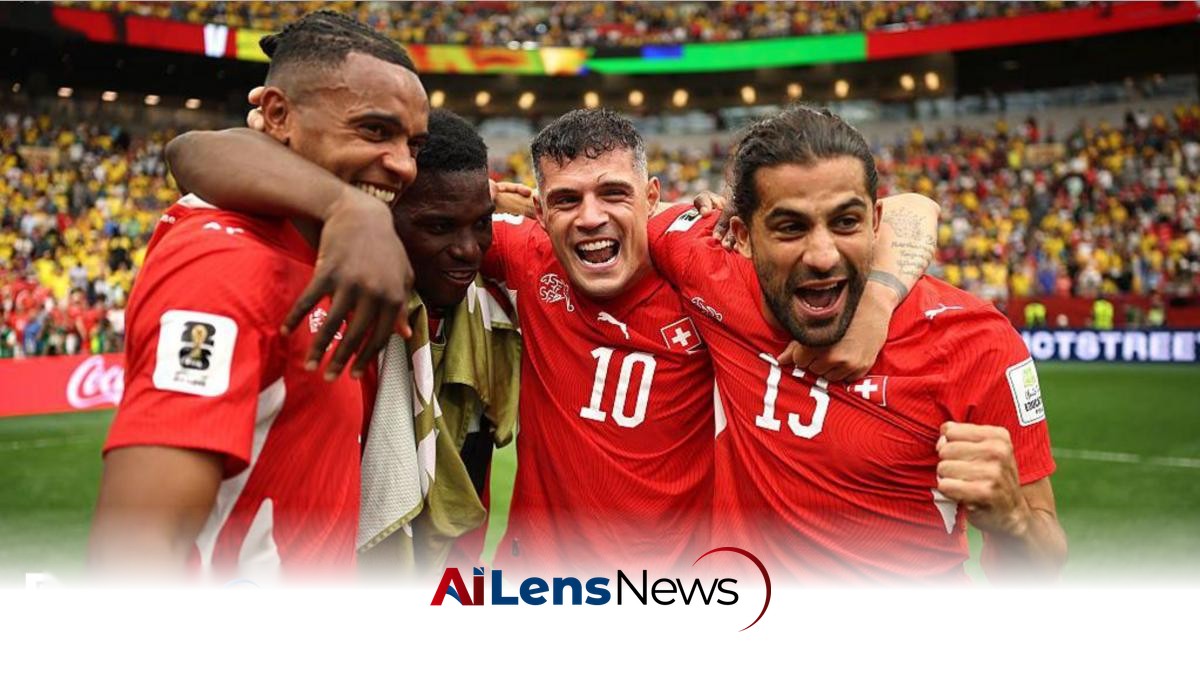
Switzerland has also made headlines with their impressive performances, particularly in their penalty shootout victory against Colombia in the final match of the last-16 stage. The atmosphere during that match was intimidating, yet the Swiss team maintained their composure, reflecting their growth as a competitive side on the world stage. Their victory marks a historic moment, as it is the first time Switzerland has reached the last eight of the World Cup since 1954. Coach Murat Yakin expressed his pride, stating, "This is a historic moment. We have reached the best ever for the Swiss team, but the trip goes on." This sentiment encapsulates the journey of European teams in this tournament, as they aim to continue their strong run and potentially produce a rare winner of a World Cup outside of the continent.
As the tournament progresses, the implications of this European dominance are manifold. It raises questions about the future of on a global scale, particularly regarding the competitiveness of non-European teams. While teams from Africa, Asia, and South America have historically been viewed as formidable opponents, the current trends suggest a widening gap in performance levels. The success of European teams may prompt a reassessment of training methodologies, youth development, and tactical approaches in other regions, as they strive to compete with the established powers of European .
Furthermore, the presence of multiple European teams in the latter stages of the tournament highlights the depth of talent available within these nations. It suggests that the competitive landscape of is evolving, with emerging teams like Norway and Switzerland challenging traditional powerhouses. This evolution could lead to a more dynamic and unpredictable future for international , as teams continue to adapt and innovate in their quest for success on the world stage.
In conclusion, the current World Cup has showcased the strength and resilience of European teams, who have managed to defy historical trends while navigating the challenges of competing outside their continent. As they continue their journey in the tournament, the implications of their performances will resonate far beyond the immediate context, shaping the future of for years to come.
To learn more about the latest developments in Football (Soccer), stay updated with our exclusive reports and analyses on AiLensNews.

