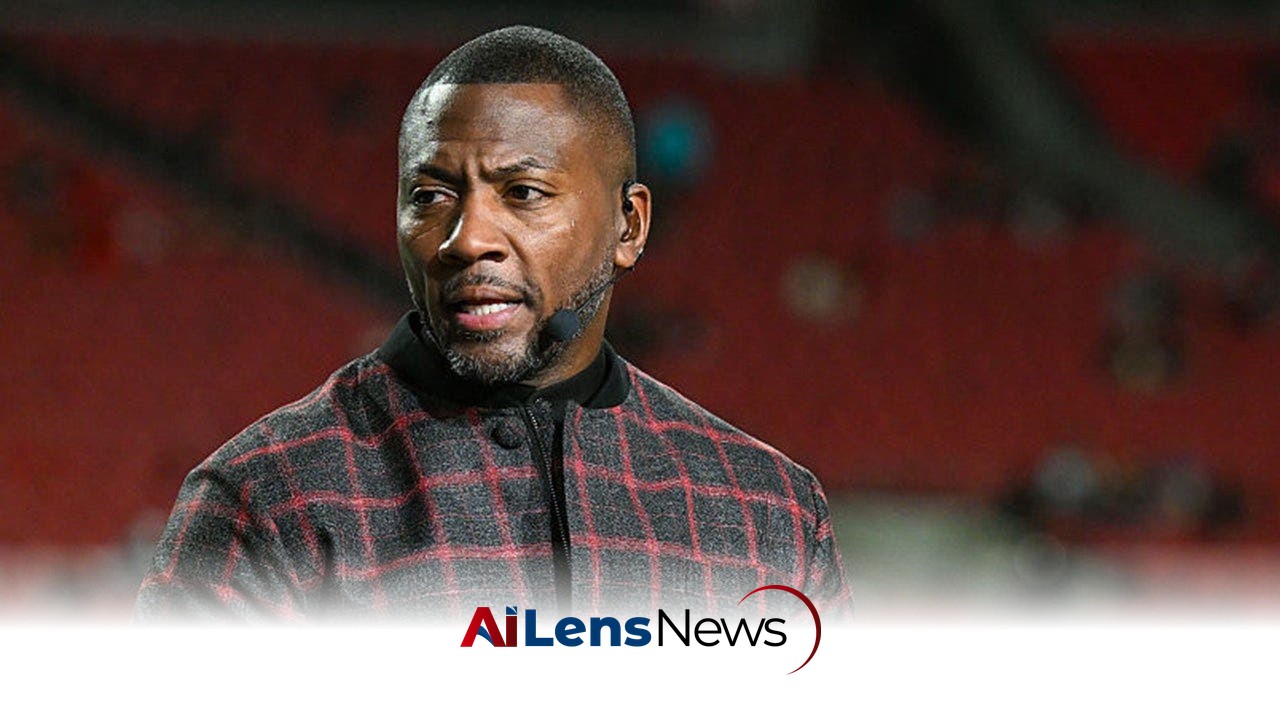


Ryan Clark's exit from ESPN has ignited discussions about the influence of cultural politics in sports media, with claims of intentional leaks and retribution.
Washington DC, United States Jul 26, 2026 ALN: Ryan Clark's departure from ESPN has ignited a significant debate surrounding workplace culture, media dynamics, and the broader implications of perceived political affiliations within sports journalism. The announcement of his exit from the network, which took place on July 21, 2023, was not just a routine employment change but rather a flashpoint in an ongoing culture war that has been brewing within American media and sports.
Clark's firing was first reported by OutKick, a media outlet known for its conservative viewpoints and association with Fox News. The manner in which ESPN communicated this news to Clark—during a live taping of 'NFL Live'—has raised eyebrows and sparked discussions about the ethics of media practices and the motivations behind such abrupt decisions. It seems that ESPN's choice to inform Clark in this manner was an attempt to preemptively manage the narrative and prevent OutKick from breaking the story, which ultimately led to a broader conversation about transparency and respect in professional environments.
In the aftermath of his termination, Clark publicly expressed his belief that ESPN had intentionally leaked information about his job status to OutKick, suggesting a calculated move to undermine him professionally. This assertion has been echoed by various commentators, including Jason "Jah" Lee from CNN, who speculated on the motivations behind Clark's firing. Lee's comments highlight the intersection of media, politics, and sports, suggesting that Clark's dismissal may be emblematic of a larger trend in which individuals are caught in the crossfire of ideological battles.
Lee's perspective sheds light on the perception that ESPN, often characterized as a liberal bastion, might be reacting to external pressures and criticisms from conservative media outlets. The notion that Clark became a victim of "culture war retribution" points to a broader narrative where individuals in media and sports find themselves navigating increasingly polarized environments. As sports networks grapple with their identities and the expectations of their audiences, the implications of such decisions extend beyond individual careers and touch upon the very fabric of sports journalism.
Clark's career at ESPN began in 2015, following a successful tenure as a player in the NFL, where he notably won a Super Bowl with the Pittsburgh Steelers. His transition to sports analysis was marked by a distinctive voice that resonated with many fans and viewers. Reports indicate that Clark was earning approximately $2 million annually, a figure significantly higher than the average pay for NFL analysts, which underscores his prominence within the network. This financial aspect adds another layer to the conversation, as high-profile analysts often become targets in discussions about corporate culture and accountability.
The role of media outlets like OutKick in this scenario cannot be overlooked. Founded by Clay Travis, who is known for his provocative and often controversial takes, OutKick has positioned itself as a counter-narrative to what it perceives as a left-leaning media landscape. The outlet's ability to break stories and influence public perception has made it a player in the broader media ecosystem, raising questions about the ethics of journalism and the responsibilities of media organizations to their subjects.
In addition, the implications of Clark's firing extend into the realm of workplace culture within ESPN and similar organizations. As employees navigate their professional lives, the fear of being targeted for their beliefs or affiliations can create a toxic environment. The dynamics at play suggest that individuals may feel pressured to conform to certain ideological standards, which can stifle authentic expression and lead to a culture of fear and retribution.
Moreover, the public's response to Clark's firing has been mixed, with some rallying behind him as a victim of systemic issues within sports media, while others question the motivations and actions of both Clark and ESPN. This division reflects the broader societal polarization surrounding issues of race, politics, and media representation. As sports continue to intersect with cultural and political issues, the stakes for analysts and commentators rise, complicating their roles as both entertainers and influencers.
As discussions surrounding Clark's departure unfold, it is essential to consider the potential ramifications for ESPN and the sports media landscape as a whole. The network has faced scrutiny for its perceived political bias, and the fallout from Clark's firing may prompt a reevaluation of its strategies and practices. This incident serves as a reminder of the challenges that media organizations face in maintaining credibility while also navigating the expectations of diverse audiences.
In conclusion, Ryan Clark's exit from ESPN is more than just a personnel change; it is a reflection of the complexities and challenges facing sports media in an era marked by cultural and political divisions. As stakeholders from various sectors weigh in on the implications of this event, it is clear that the conversation surrounding workplace culture, media ethics, and the intersection of sports and politics will continue to evolve. The outcome of this situation may influence not only Clark's future endeavors but also the broader landscape of sports journalism and its relationship with societal issues.
The cultural dynamics at play in this incident are indicative of a larger trend within the media landscape, where individuals are often judged not solely on their professional abilities but also on their political beliefs and affiliations. This intersection of sports and politics has become increasingly prominent, with many analysts and commentators finding themselves at the center of contentious debates. The implications of these dynamics are profound, as they may influence hiring practices, content creation, and the overall direction of sports journalism.
Furthermore, Clark's situation raises questions about the future of sports commentary and analysis. As networks seek to balance diverse viewpoints while also catering to their audience's preferences, the risk of alienating certain segments of their viewership grows. This balancing act can lead to a chilling effect, where analysts may self-censor or avoid certain topics altogether to maintain their positions. The fear of backlash or retribution can stifle open dialogue and critical analysis, which are essential components of sports journalism.
In light of these developments, it is crucial for media organizations to reflect on their internal cultures and the messages they send to their employees. The treatment of high-profile figures like Clark can serve as a litmus test for broader workplace practices and attitudes. If employees feel that their beliefs may jeopardize their careers, it can lead to a homogenization of perspectives that ultimately detracts from the richness of sports discourse.
As the conversation around Clark's departure continues, it may also prompt other sports analysts and commentators to reconsider their positions within the industry. The potential for public scrutiny and backlash may lead to a reevaluation of how they engage with political and cultural issues. This could result in a more cautious approach to commentary, where analysts prioritize maintaining their employment over expressing their authentic viewpoints.
Ultimately, Ryan Clark's exit from ESPN serves as a poignant reminder of the complexities of navigating the contemporary media landscape. As the lines between sports, politics, and media continue to blur, the stakes for those involved in sports journalism are higher than ever. The implications of this incident will likely resonate throughout the industry, shaping the future of sports commentary and the role of media organizations in fostering a culture of open dialogue and diverse perspectives.
To learn more about the latest developments in Golf, stay updated with our exclusive reports and analyses on AiLensNews.

