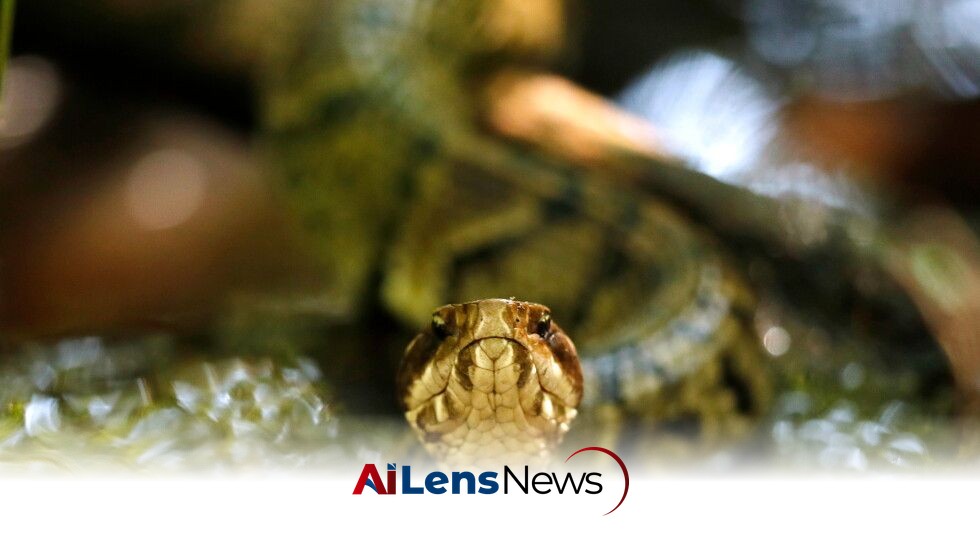


A high school football player in Arkansas found a venomous cottonmouth snake in his helmet during practice, prompting safety reminders from coaches.
Little Rock, United States Aug 12, 2026 ALN: MAUMELLE, Ark. — A high school football player in Arkansas had every right to be rattled after finding a venomous snake inside his helmet during practice. This unusual incident highlights not only the potential dangers athletes can face in their environments but also the importance of safety checks in sports.
The Maumelle High student, whose identity has not been disclosed, felt unusual movement inside his headgear following warmups last week. Initially, he may have thought it was simply a piece of equipment shifting or perhaps a small insect. However, upon closer inspection, he brought his helmet to an assistant coach for further examination. It was then that a slithering 2-foot cottonmouth was discovered nestled behind some padding. Cottonmouths, also known as water moccasins, are notorious for their aggressive nature and potent venom, making this situation particularly alarming.
The pit viper was so reluctant to exit the helmet that police officers had to pour water into it to force the snake out and into a bag. This method of extraction, while unconventional, proved effective in safely removing the snake from the helmet. Animal services technicians arrived shortly thereafter, identified the snake as a cottonmouth, and transported it to a wooded area far from the school premises. This relocation was crucial, as it ensured the safety of both the snake and the students, preventing any potential future encounters.
Cottonmouths are the second-most venomous snakes found in Arkansas, following the Eastern diamondback rattlesnake. They are typically found in wetlands, swamps, and along rivers, which makes their appearance in an area like a high school football field somewhat unusual. Their presence in populated areas can be attributed to various factors, including habitat encroachment and climate changes that may be affecting their natural environments. As urban areas expand, the habitats of these snakes can become fragmented, leading them to venture into human-populated spaces in search of food or shelter.
Animal services director Chris Davis commented on the extraordinary nature of the incident. He noted that the player wore the helmet for nearly an hour before discovering the snake, emphasizing the fortunate outcome that the player was not bitten. “It was unreal,” Davis said. “You had to kind of be there and take pictures to say this was real.” His remarks underscore the bizarre nature of the situation, which could have ended tragically had the snake decided to defend itself. Cottonmouth bites can lead to severe medical complications, including tissue damage and systemic reactions, making the player's near encounter all the more alarming.
After the incident, the player grabbed a different helmet and continued with practice, demonstrating a commendable level of resilience and focus. However, the situation served as a critical reminder for the coaching staff and players alike. The head coach took this opportunity to reiterate to his team the importance of thoroughly examining their equipment before use. This includes checking for insects, debris, or, as was the case here, potentially dangerous wildlife. The coach's message resonated with the team, emphasizing that safety should always come first, even in the heat of competition. Such discussions can also foster a culture of safety awareness, encouraging players to look out for one another and to share any concerns they might have about their equipment or surroundings.
This incident also raises broader questions about wildlife interactions in urban settings, particularly in regions where natural habitats are being increasingly encroached upon by human activity. As communities expand and develop, encounters with wildlife are likely to become more common, necessitating greater awareness and preparedness among residents and local organizations. Urban wildlife encounters can range from benign, such as squirrels or raccoons, to more dangerous interactions with snakes, coyotes, or even bears, depending on the region. Understanding how to coexist with wildlife is becoming increasingly important as urban sprawl continues.
In addition to the immediate safety concerns for the players, the incident also highlights the need for schools to have protocols in place for dealing with wildlife encounters. This could involve training staff on how to safely handle such situations, as well as ensuring that emergency services are equipped to respond quickly. Schools, especially those in areas known for wildlife, may want to consider regular inspections of their facilities to mitigate the risk of similar occurrences. Such protocols could include educational programs for students about local wildlife, teaching them how to identify potentially dangerous animals and what to do if they encounter one.
Furthermore, the psychological impact of such an encounter should not be overlooked. While the player in this case was able to continue with practice, others might experience anxiety or fear following a similar event. Coaches and school counselors should be prepared to offer support and resources to students who may feel unsettled after such an experience. Encouraging open discussions about fears and concerns can help alleviate anxiety and foster a supportive team environment. It is essential for schools to recognize that incidents like this can have lasting effects on students' mental well-being and to provide avenues for them to express and process their feelings.
In conclusion, the discovery of a venomous snake in a high school football helmet serves as a stark reminder of the unpredictable nature of wildlife and the importance of safety in sports. It highlights the need for vigilance in equipment checks, the potential for wildlife encounters in urban areas, and the importance of having protocols in place to handle such situations effectively. As communities continue to grow and evolve, ensuring the safety of students and athletes will remain a top priority, requiring ongoing education and awareness efforts. The incident at Maumelle High serves not only as a cautionary tale but also as a call to action for schools and communities to prioritize safety and preparedness in an ever-changing environment.
To learn more about the latest developments in Golf, stay updated with our exclusive reports and analyses on AiLensNews.

