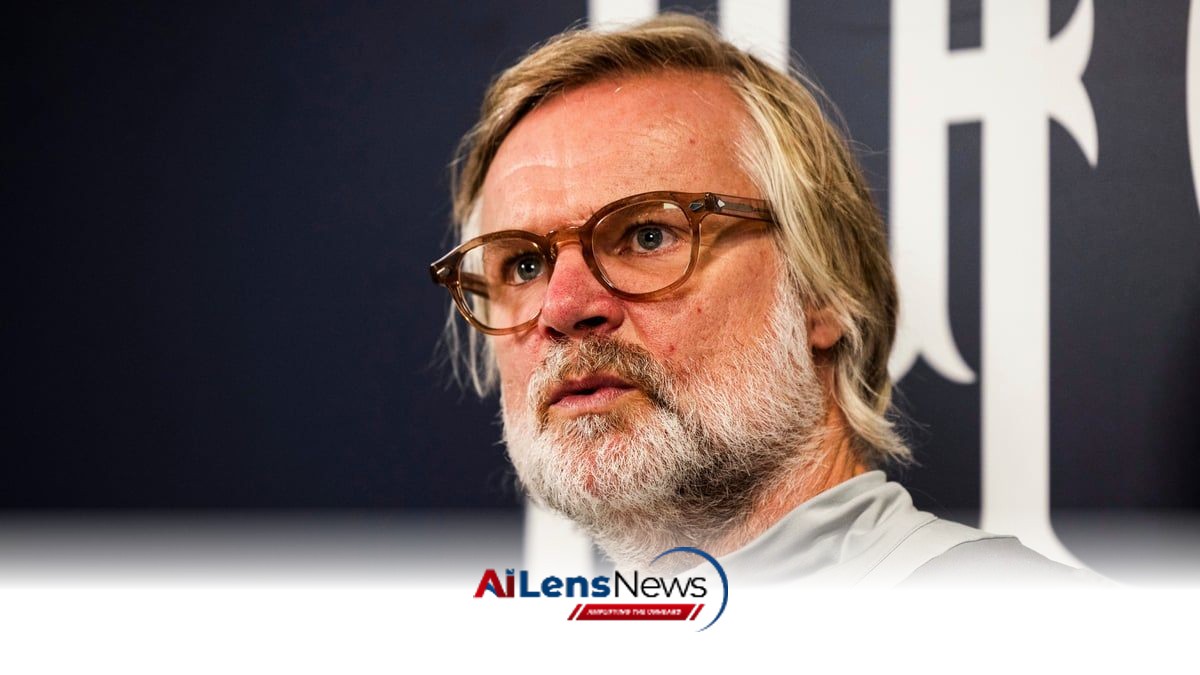



Dundee's manager Steven Pressley shares insights on his leadership style, the significance of values, and personal choices in football.
London, United Kingdom Aug 22, 2026 ALN: In a recent interview, Dundee FC manager Steven Pressley opened up about his unique approach to leadership, emphasizing the importance of instilling good values within his team. Pressley, who has been at the helm of Dens Park, shared his experiences regarding the implementation of a £1 fine system for players, which he believes fosters accountability and discipline. This approach is not just about penalizing players but is part of a broader strategy aimed at cultivating a culture of responsibility and mutual respect within the squad.
Pressley explained that the fines are not merely punitive but serve as a reminder for players to uphold the standards expected of them. He stated, "It's about creating a culture where everyone understands their responsibilities. When players are aware that there are consequences for their actions, it encourages them to think twice before making decisions that could affect the team negatively." This perspective on leadership reflects a growing trend in sports management, where the emphasis is placed not only on tactical acumen but also on building a cohesive unit that operates under shared values and principles.
Leadership in sports has evolved significantly over the years. Traditionally, managers were often seen as authoritarian figures whose primary role was to direct tactics and strategies. However, as the dynamics of team sports have changed, so too has the understanding of what effective leadership entails. Pressley's approach aligns with modern theories of leadership that advocate for emotional intelligence, empathy, and the ability to inspire and motivate players. By implementing a fine system, he aims to instill a sense of accountability that transcends the pitch, fostering a mindset that players can carry into their personal lives as well.
Reflecting on his managerial journey, Pressley admitted that there were moments when he contemplated stepping away from the game. He described a particularly challenging period where the pressures of management weighed heavily on him. "There were times I thought about quitting, but my passion for the game and my commitment to the club kept me going," he revealed. This candid admission sheds light on the often-overlooked mental and emotional toll that comes with being a manager in professional football. The pressure to succeed, coupled with the expectations of fans and stakeholders, can create a challenging environment that tests even the most seasoned professionals.
Another significant aspect of Pressley's leadership is his decision not to sign his son, who is also a footballer. He explained that while it would have been a proud moment to have his son play under his management, he felt it was essential to maintain professionalism and avoid any potential conflicts of interest. "I want to ensure that my decisions are based solely on what is best for the team, not influenced by personal relationships," he said. This decision speaks volumes about Pressley’s integrity and his commitment to fairness in the sport. It is a reminder that personal relationships must sometimes be set aside in the pursuit of a greater goal, in this case, the success of Dundee FC.
Pressley’s insights into leadership highlight a broader conversation about the values that define successful teams. He believes that fostering a positive environment, where players feel accountable and valued, is crucial for achieving success on the pitch. This philosophy is increasingly recognized in the sporting world, where the mental well-being of athletes is becoming just as important as their physical conditioning. Coaches and managers are now expected to create environments that not only promote competitiveness but also prioritize the emotional and psychological health of their players.
As Dundee continues its campaign, Pressley remains focused on building a team that not only competes but also embodies the principles he holds dear. His commitment to instilling good values and maintaining a strong sense of accountability is a testament to his dedication as a manager. This approach is not only beneficial for the players' development but also for the long-term success of the club. By nurturing a culture of respect and responsibility, Pressley aims to lay a foundation that will support Dundee FC in its ambitions both on and off the field.
In conclusion, Steven Pressley’s approach to leadership at Dundee FC reflects a blend of personal integrity and professional responsibility. His experiences serve as a reminder that good values are not just important in football but in all aspects of life. The principles he advocates for—accountability, professionalism, and respect—are universal and can be applied in various contexts beyond sports. As the landscape of football continues to evolve, leaders like Pressley play a crucial role in shaping not only the future of their teams but also the broader culture of the sport.
To learn more about the latest developments in Golf, stay updated with our exclusive reports and analyses on AILensNews.

