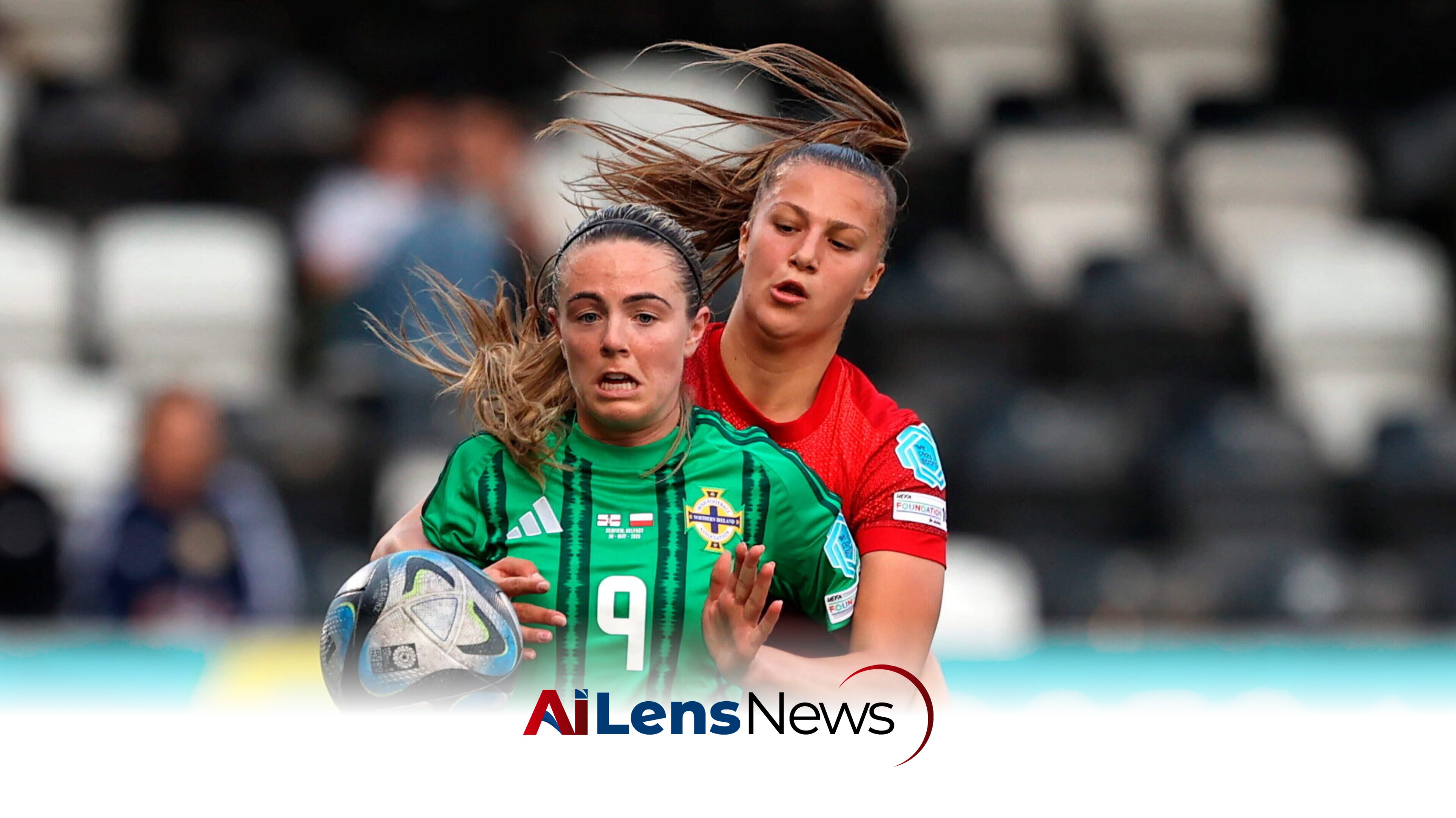


Northern Ireland's captain expresses concern that UEFA's potential boycott of FIFA competitions could jeopardize their chances of World Cup participation.
London, United Kingdom Aug 1, 2026 ALN: Northern Ireland's football captain has voiced concerns over the implications of UEFA's potential boycott of FIFA competitions, suggesting it could severely impact the team's chances of qualifying for the World Cup. This warning comes at a crucial time when discussions surrounding the governance of football are at the forefront of the sport's landscape, highlighting the delicate balance between sportsmanship and political maneuvering.
The captain's comments reflect a broader sentiment within the football community, where the stakes are not just about winning matches but also about the pride and identity that national teams represent. For many players, the World Cup is not merely a tournament; it is the culmination of years of hard work, dedication, and a shared dream that resonates deeply with fans and families alike. The emotional toll of a potential boycott could be profound, as it threatens to strip away the opportunity to compete on the biggest stage in world football.
As discussions intensify regarding UEFA's stance towards FIFA, the captain emphasized the emotional toll such a decision could have on the players and fans alike. "It would be cruel if this boycott costs us a shot at World Cup joy," she stated, highlighting the importance of international tournaments for national pride. This sentiment is echoed by many within the footballing community, where the prospect of missing out on the World Cup can feel like a loss not just for the players, but for an entire nation.
The captain's remarks come in the wake of ongoing debates about governance and ethics within football's governing bodies. These discussions have been fueled by a series of controversies surrounding FIFA, including allegations of corruption, issues related to human rights, and the management of tournaments. As UEFA considers its position, the ramifications of a boycott could extend beyond the immediate impact on competitions, potentially altering the landscape of international football governance.
In recent years, the relationship between UEFA and FIFA has been strained, with various disputes arising over tournament scheduling, financial distributions, and the overall direction of football governance. The potential boycott is seen by some as a necessary stance against perceived injustices within FIFA, while others argue that it could lead to unintended consequences for teams like Northern Ireland, who are striving for a place in the World Cup.
She further elaborated on the significance of the World Cup, not just as a sporting event but as a celebration of national identity and unity. "Every match we play is for our fans, our families, and our country. The World Cup is the pinnacle of that experience," she added. This perspective underscores the emotional connection that players have with the tournament, as well as the broader implications for national pride and unity. For Northern Ireland, a country with a rich footballing history but limited opportunities to compete on the world stage, the World Cup represents a chance to showcase their talent and passion to a global audience.
The captain's plea serves as a reminder of the human element in sports, where the dreams of athletes can be intertwined with the larger political narratives at play. The complexities of international football governance cannot be understated, as decisions made by governing bodies can have far-reaching consequences for players, fans, and the integrity of the sport itself. As the situation develops, Northern Ireland's football community remains hopeful that a resolution can be reached that allows them to compete on the world stage without political interference.
Moreover, the potential boycott raises questions about the future of international competitions and the role of federations in shaping the landscape of football. If UEFA were to proceed with a boycott, it could lead to a significant shift in how tournaments are organized and governed, potentially paving the way for new alliances or conflicts within the sport. The implications of such a decision could resonate for years to come, affecting not only current players but also future generations who aspire to represent their countries on the international stage.
In light of these developments, it is crucial for stakeholders within the sport to engage in meaningful dialogue and seek solutions that prioritize the integrity of the game while also addressing the legitimate concerns surrounding governance and ethics. The voices of players, like Northern Ireland's captain, must be heard in these discussions, as they embody the spirit of the sport and the aspirations of countless fans who cherish the beautiful game.
As the countdown to the next World Cup continues, the urgency for a resolution becomes increasingly apparent. Players and fans alike are left in a state of uncertainty, hoping for a path forward that allows them to pursue their dreams without the shadow of political disputes looming overhead. The captain's heartfelt message serves as a rallying cry for unity and perseverance, reminding everyone that at the heart of football lies a shared passion for the game and a desire to compete at the highest level.
The potential boycott by UEFA has raised eyebrows not only within the football community but also among political analysts and sports commentators. The relationship between sports and politics has always been a complex one, and this situation exemplifies how intertwined these realms can be. The World Cup, as one of the most prestigious sporting events globally, is a platform for nations to assert their identity and pride. For Northern Ireland, whose football history is marked by both triumph and adversity, the chance to qualify for the World Cup is not just about sport; it is about representing their nation on a global stage.
Historically, Northern Ireland has faced challenges in international football, with their last appearance in the World Cup dating back to 1986. Since then, the team has experienced a mix of highs and lows, including qualification for the UEFA European Championship in 2016, which was a significant achievement and a source of national pride. The current squad, filled with promising talent, has aspirations to build on that momentum and secure a spot in the next World Cup. However, the uncertainty surrounding UEFA's potential boycott adds an additional layer of complexity to their journey.
The emotional weight of the World Cup is further magnified by the socio-political context of Northern Ireland. The region has a rich footballing culture, yet it has also been shaped by a history of conflict and division. For many fans and players, the World Cup represents an opportunity to unite and celebrate their identity beyond the political landscape. The captain's comments resonate with this sentiment, as she emphasizes the importance of football as a unifying force that transcends divisions and fosters a sense of community.
As discussions about the boycott continue, it is essential for all stakeholders, including players, fans, and governing bodies, to engage in constructive dialogue. The impact of a boycott would not only affect the current generation of players but also the future of the sport in Northern Ireland. Young aspiring footballers look up to their national team as role models, and the possibility of missing out on the World Cup could dampen their dreams and aspirations.
In conclusion, the potential boycott by UEFA of FIFA competitions poses significant implications for Northern Ireland and its football community. The captain's heartfelt plea serves as a reminder of the human stakes involved in these discussions. As the world of football navigates these turbulent waters, it is crucial to prioritize the dreams and aspirations of players and fans, ensuring that the integrity of the sport is upheld while addressing the pressing issues at hand. The hope remains that a resolution can be found that allows Northern Ireland to pursue their World Cup dreams without the interference of political disputes, allowing the beautiful game to thrive and inspire generations to come.
To learn more about the latest developments in Golf, stay updated with our exclusive reports and analyses on AiLensNews.

